Leave Your Message
您的浏览器版本不支持canvas

Blog

2026 Best Aerosol Spray Packaging Suppliers Worldwide

2026 Best Aerosol Spray Packaging Suppliers Worldwide

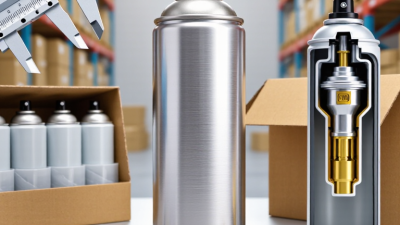
Picking the right Aerosol Spray Packaging supplier in 2026? Honestly, comparing prices only gets you so far. You need proof. This guide looks at leading manufacturers and packaging partners that serve regional and international markets. It covers aluminum cans, tinplate containers, valves, actuators, caps, and filling support. Every part plays a role in product protection, spray performance, transport safety, and shelf appearance. The little things really do matter. A valve that is not crimped properly can leak. An uneven coating might hurt looks or durability. Good suppliers should be able to explain those risks without dodging the question. The review keeps the focus on practical capabilities, not just promotional claims. It looks at production experience, material quality, dimensional control, leak testing, print consistency, and sample approval procedures. It also considers communication, minimum order quantities, lead times, and traceability. Companies like Aptar, Lindal Group, and Precision Valve Corporation show why specialized valve and dispensing know-how matters. That said, supplier strengths can vary by region, product type, and order volume. Certification and regulatory paperwork deserve a close look. Buyers should verify current records directly with each supplier. Standards, transport rules, and market expectations can shift. No ranking stays perfect forever. Some details may be outdated before a purchasing decision is even finished. That is a real limitation. So before signing contracts, ask for recent test reports, production samples, factory details, and written specs. The overview below highlights notable worldwide suppliers through an experience-based, evidence-conscious lens. The goal is to support safer, clearer, and better-informed packaging decisions. At the end of the day, supplier fit matters most.
Read more »
Aria By:Aria - October 19, 2026
How to Choose the Right Spray Can for Global Sourcing?

How to Choose the Right Spray Can for Global Sourcing?

Picking the right Spray Can for global sourcing isn’t just about comparing unit prices. The package has to protect what’s inside, work on the filling line, and survive a long trip. A can that does great in a dry warehouse might fail after weeks of heat, humidity, or freezing temps. And yes—small details matter. Aerosol packaging specialist Mark McCarty has a practical warning that’s worth repeating: “The package must protect the product before it promotes the product.” That applies to every Spray Can project, whether it’s household maintenance products or a Spray On Bedliner Spray Can. Buyers should look at steel or aluminum thickness, valve compatibility, actuator design, internal coating, and pressure performance. They should also ask suppliers like Ball Corporation, Crown Holdings, or Ardagh Group for production samples. Samples tend to reveal problems that spreadsheets hide. Look closely. A solid sourcing process also checks filling consistency, seam quality, leakage resistance, labeling space, and documented quality controls. Suppliers should provide clear technical data, safety documentation, and compliance records for the destination market. Requirements can differ from country to country, so one universal spec can lead to expensive delays. Transport conditions deserve just as much attention. A damaged carton, a loose actuator, or a poorly protected valve can turn a promising order into avoidable waste. There’s no perfect global Spray Can. That’s the uncomfortable part. A lower-cost container may mean more inspection work, returns, or customer complaints. A premium can may blow past the project budget without actually performing better. The best call balances product chemistry, climate exposure, production volume, logistics, and responsible end use. Careful testing still matters, even when the supplier seems experienced.
Read more »
Aria By:Aria - October 15, 2026
2026 Best Cone and Dome Manufacturers for Global Buyers

2026 Best Cone and Dome Manufacturers for Global Buyers

Look, the 2026 Cone And Dome market isn’t just one thing. It covers home audio, car systems, smart devices, and pro sound gear. And buyers around the world? They want clear specs, steady supply, and acoustic performance they can actually measure. A pretty product page alone won’t cut it. Grand View Research put the global loudspeaker market at about USD 6.9 billion in 2023. Their outlook points to more growth through 2030, too. MarketsandMarkets and Fortune Business Insights see similar expansion, though they draw their market lines a little differently. Across these reports, the demand signals are pretty consistent: compact drivers, efficient materials, wireless devices, and better low-frequency control. Still, those differences matter. Forecasts can be useful, sure—but they’re not a guarantee that anyone will buy. This guide looks at Cone And Dome manufacturers the way a buyer would. We’re checking frequency response, sensitivity, impedance tolerance, power handling, distortion data, and consistency in production. We also weigh ferrite versus neodymium magnets, paper or polymer cones, silk or fabric domes, and how long the suspension holds up. A supplier you can trust should hand over samples, test curves, quality records, and realistic lead times. IEC 60268-5 testing and ISO 9001 certification help build confidence—but neither one replaces your own verification. So look closely. The strongest manufacturers tend to show repeatable results batch after batch. They can explain what a 25-millimeter dome is doing at high volume. They can also show how a 165-millimeter cone handles thermal and mechanical stress. Public info is still all over the place, and some claims deserve a healthy dose of skepticism. A big name might still be bad at customization or slow to reply. On the flip side, a smaller factory can make excellent drivers without much international visibility. That’s why this ranking mixes reported industry data, technical evidence, manufacturing experience, and buyer-focused judgment. No ranking is perfect. Check current samples before you sign.
Read more »
Eva By:Eva - October 10, 2026
Why Choose Aerosol Cans for Global Packaging?

Why Choose Aerosol Cans for Global Packaging?

Picking the right packaging for global markets? It takes a lot more than good-looking graphics. You need protection, consistency, transport efficiency, and materials that are used responsibly. An aerosol can can actually pack all of that into one compact format. Its sealed container keeps contents safe from air, moisture, and contamination over long distribution routes. And because it dispenses in a controlled way, it can cut down on mess and wasted product. Gregor Spengler, Secretary General of AEROBAL, once put it like this: “Aerosol packaging must combine convenience with responsible resource use.” That idea still matters for brands trying to enter different markets. Steel and aluminum cans can work with established recycling systems in many places. Their cylindrical shape also makes good use of warehouse space and handles everyday bumps pretty well. A suitable Aerosol Can Propellant can further improve spray performance, dosage control, and overall user experience. The details really matter, though. A can might sit in a hot delivery truck, a humid warehouse, or a tiny bathroom cabinet. Its valve, coating, seam, and actuator all have to work together reliably. Manufacturers also need clear labeling and region-specific compliance checks. These aren't nice-to-haves. That said, the format isn't perfect. Production takes energy, and recycling rates vary from country to country. Some consumers may misunderstand disposal instructions. That's a weakness worth talking about honestly, not hiding behind polished marketing. Better lightweighting, more recycled content, and transparent lifecycle data can make it a stronger choice. When performance and accountability are looked at together, the aerosol can becomes a practical option for global packaging—not a one-size-fits-all answer.
Read more »
Aria By:Aria - October 7, 2026
What Is Aerosol Spray Packaging A Complete Guide?

What Is Aerosol Spray Packaging A Complete Guide?

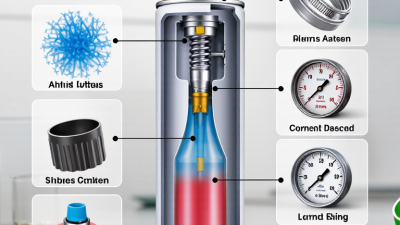
You might think an Aerosol Spray Packaging is just a metal can with a button on top, but it’s actually so much more than that. It’s a carefully designed system that needs to work perfectly together. The container, valve, actuator, propellant, the product itself, and the label—everything has to mesh seamlessly. Even a tiny mismatch can lead to a weak spray, leaks, corrosion, or just an awkward user experience. Been there, done that! Dr. John D. Floros, a respected expert in packaging science, once said that packaging is really ‘the science, art, and technology of enclosing and protecting products for distribution, storage, sale, and use.’ That totally hits the nail on the head when it comes to aerosols. Protection genuinely matters, but so does controlled dispensing. A good package needs to give you a consistent spray from the first pump to the last drop. Plus, it should keep the contents safe from moisture, oxygen, heat, and any sneaky contaminants. In this guide, I’ll walk you through how Aerosol Spray Packaging is designed, tested, filled, and checked. We’ll talk about steel and aluminum cans, how they stand up to pressure, choosing the right valves, the shape and size of actuators, internal coatings, and quality checks during production. And trust me, things like seam inspection, compatibility tests, and transport evaluations aren’t just minor details—they’re essential safeguards that you shouldn’t overlook. Now, let’s be honest—this process isn’t perfect. Material choices involve trade-offs. For instance, lightweight aluminum might be easier to handle, but steel can offer different strengths and cost benefits. And sometimes, a can looks super cool with its actuator design, but that doesn’t guarantee it performs well—that’s a sneaky thing to overlook! We’ll also touch on important topics like recyclability, making sure labels are accurate, choosing responsible propellants, and complying with safety standards. These things can change from market to market and product to product, so it’s always a good idea to have a professional review. At the end of the day, a thoughtfully designed aerosol package should be convenient, stable, transparent, and safe throughout its entire lifespan.
Read more »
Eva By:Eva - October 4, 2026
What Are the Best China Aerosol Paint Cans for Global Buyers?

What Are the Best China Aerosol Paint Cans for Global Buyers?

Picking out the best Aerosol Paint Cans from China isn’t just about comparing prices — there’s a lot more to think about. For buyers around the globe, it’s really about digging into the quality of the materials, how well the cans fill, their documentation, and whether the supplier can deliver reliably. You might find a can that looks shiny and perfect but then run into issues during crimping or when it’s shipped out — that’s the reality we face sometimes. According to Grand View Research, the worldwide market for aerosol cans is set to keep growing through 2030, fueled by demand from industries like paints, coatings, auto care, and household goods. Mordor Intelligence points out that the tough, recyclable metal packaging of these cans is key, plus how well they hold up over time. Basically, what this tells us is that, as buyers, we need to look beyond just the factory quotes — it’s about how these cans perform in the long run. So, where do you start? Well, a good, reliable assessment begins with checking the can’s body, the internal coating, how well the valve works, and of course, how they spray. The thickness of the tinplate should match the pressure your product needs and how you handle the cans. And don’t forget about the inner lacquer — it needs to resist interaction with the paint, especially if you’re using solvent-based formulas. It’s also smart to look at batch records, leakage tests, crimp measurements, and how traceable the production process is — those little details really add up. Always ask for proof. Just having ISO 9001 certification doesn’t automatically mean the quality is consistent — it’s more of a baseline. A wise buyer will request recent inspection reports, test samples, and references from other markets where the supplier has worked. Also, make sure they’re compliant with local transport rules, labeling, chemical regulations, and packaging standards before you ship anything. China has tons of capable manufacturers, but quality can vary a lot from factory to factory, and even within different lines at the same place. That’s something many overlook. A sample might turn out great and perform well, but later batches could fall short. Because of this, I always recommend comparing aerosol cans based on measurable specs, the supplier’s experience, their ability to customize, and how fast they respond after sales. The cheapest option isn’t always the best — what really matters is finding a can that stays safe, stable, and dependable during actual distribution and use.
Read more »
Aria By:Aria - October 1, 2026
China Top 10 Top and Bottom Clothing Suppliers for Buyers

China Top 10 Top and Bottom Clothing Suppliers for Buyers

Picking a clothing supplier in China isn't just about hunting for the lowest prices — there’s a lot more to consider. You’ve got to think about the quality of the products, how easy it is to communicate with them, their production capacity, and whether they can meet your delivery deadlines. This guide covers ten suppliers for top and bottom apparel, including coordinated sets, casualwear, and other everyday clothes. But remember, the best fit really depends on your target market, order size, and design specs. When you start evaluating suppliers, it’s a good idea to dig into the details you can actually check. Ask for fabric samples and double-check the fiber content, fabric weight, size grading, stitching quality, and the colors they offer. Make sure to get the minimum order quantities, sample costs, production timelines, and packaging details in writing — clear communication upfront helps avoid tons of headaches down the line. Having a solid tech pack and carefully reviewing samples will also save you a lot of trouble. Remember, a super low quote doesn’t tell the whole story. Supplier websites and catalogs are a decent starting point, but they don’t always tell the full story — capabilities, lead times, and certifications can change pretty quickly. So, always verify the details directly, especially before you place an order. If you can, compare the approved samples with the final production run and set up inspection criteria ahead of time. No shortlist can eliminate all risks, but asking the right questions and doing your own checks helps a ton. This overview is meant to guide you in asking smarter questions, not replace your own due diligence. Also, keep in mind that while the phrase Top & Bottom might sound like a broad category, the real key is finding a supplier that can reliably meet your specific standards. Lastly, don’t forget — staying updated throughout the process is just as important as the first sample you see.
Read more »
Aria By:Aria - September 27, 2026
10 Tips for Buying Tinplate Cans in Bulk

10 Tips for Buying Tinplate Cans in Bulk

Buying a tinplate can in bulk isn’t just about comparing prices. It’s more like making a careful packaging choice that touches on materials, production quality, logistics, and how well it protects your product. Sometimes, going for the cheapest option per unit can actually end up costing you more—think dented cans, mismatched sizes, or cans that don’t fit your filling machines properly. Good sourcing really matters, and industry data backs that up. The World Steel Association points out that steel is basically a forever material—recyclable over and over without losing its core qualities. APEAL’s reports on European steel packaging also show really impressive recycling rates across the region. While this makes tinplate sound super eco-friendly, you still need to double-check things like coating safety, corrosion resistance, and recycled content claims—because marketing spiel can sometimes be a little vague. In real life, savvy buyers look beyond just size and volume. They’ll check how thick the tinplate is, what kind of lacquer is used inside, how tight the seams are, whether the closures fit right, and how well the pallets protect the cans during transit. They also ask for test reports, food safety declarations, factory photos, and even samples straight from the production line. Research by Smithers shows that there’s strong demand for packaging that’s durable and recyclable, but there’s also pressure to use lighter materials and streamline supply chains—which can sometimes mean making compromises. For example, a thinner can might save on shipping costs, but it could struggle with stacking or automatic filling. This guide offers ten handy tips to keep in mind when buying in bulk—from conducting supplier audits and testing samples, to setting clear contract terms and organizing deliveries. Some tips might seem obvious, but honestly, they’re often overlooked. The real savings come not just from getting a cheaper quote but from avoiding failures down the line. That’s what makes all the difference in the end.
Read more »
Eva By:Eva - September 23, 2026
What Is a Metal Can Used For in Global Sourcing?

What Is a Metal Can Used For in Global Sourcing?

When it comes to global sourcing, a metal can isn’t just considered a simple container—it's actually part of a bigger story. Think about it: choosing the right can impacts your entire supply chain—how it protects the product, your branding, how easy it is to transport, and even what happens after you’re done with it, like recycling. Companies often source cans for all sorts of stuff—food, drinks, cosmetics, chemicals, paints, household items—you name it. And each of these uses calls for different types of steel or aluminum, specific sizes, coatings, lids, and tight production standards. Guido Vermeulen, who’s the boss at Metal Packaging Europe, sums it up nicely: ‘Metal packaging is a permanent material.’ That pretty much hits the nail on the head when you’re evaluating suppliers. A well-made can does more than hold stuff—it shields your product from light, oxygen, moisture, and impacts. Plus, it’s designed to go through recycling systems smoothly after use. But here’s the thing—recyclability alone doesn’t mean the sourcing is responsible. You also need verified info on the materials, certified coatings, factory audits, and consistent quality records. Sometimes, the details are surprisingly tiny. Just a one-millimeter difference can throw off how stable your pallets are, slow down filling lines, or mess up how labels line up. If the internal coating is too weak, it might lead to rust. Or if your lid supplier lets you down, the whole shipment could be delayed. I’ve seen teams chase after the lowest price and then end up paying more in dents, rejected batches, or freight costs. That kind of thinking seriously needs to be rethought. And don’t forget—sourcing cans across different countries means good communication is key. Clear technical drawings with proper measurements and approved samples are a must. Buyers should double-check minimum order sizes, who owns the tooling, lead times, inspection methods, and how packaging protection is handled. It’s also super important to ask suppliers for proof of their claims—samples are way more telling than just promises. In the end, the cheapest can isn’t always the best choice. It’s about finding a can that performs reliably, meets all your documented needs, and supports a practical end-of-life plan. Of course, some small compromises are okay, but being transparent and thorough in your evaluation really helps keep things balanced—and avoids surprises down the road.
Read more »
Sophie By:Sophie - September 20, 2026
2026 Best Blank Lak Spray Suppliers Buyers Guide

2026 Best Blank Lak Spray Suppliers Buyers Guide

Looking for the best Blank Lak Spray suppliers in 2026? Check out our Buyer’s Guide—it’s designed to help importers compare different options with a bit more confidence. Whether you’re using it for packaging, craft projects, displays, or light industrial work, Blank Lak Spray can be quite versatile. But here’s the thing: product names sometimes change from one market to another. So, make sure to double-check the exact coating, finish, container size, and the surface you plan to work on before you ask for a quote. A good supplier will always have up-to-date technical data sheets and safety data sheets ready to share. These docs should cover stuff like coverage area, drying times, storage temperatures, nozzle design, and batch info. Oh, and don’t forget to ask for samples! The real test is trying them out on the actual material you’ll be using—not just on a smooth metal panel. Pay attention to things like spray smoothness, smell, how fast it dries, how well it sticks, and how the surface looks after a day. Even small details matter—something as simple as a blocked nozzle can cause a lot of waste. You also want to look into how experienced the supplier is. Check out factory photos, what their production capacity is, quality procedures, export records, and how responsive they are. Big names like AkzoNobel, PPG Industries, and Sherwin-Williams are usually pretty solid when it comes to technical support and documentation, but you should still verify that each product suits your needs at the moment. Smaller manufacturers might be more flexible with packaging or lower minimum orders, which is a plus—just watch out for limited documentation. Price isn’t everything, though. Make sure you’re comparing the full landed cost, packaging quality, delivery times, return or replacement policies, and whether the quality stays consistent from batch to batch. You’ll want to confirm if they can match color and spray performance over multiple runs. No guide can cover every little thing; even the most seasoned buyers can slip up with transit damage or seasonal temperature swings. That’s why doing a small trial order, with clear specs and independent inspections, is a smart move to avoid surprises. All in all, this guide focuses on looking for solid evidence, doing practical testing, and maintaining open, honest communication. It’s about helping you pick a Blank Lak Spray supplier you can trust in 2026—because a little due diligence goes a long way.
Read more »
Aria By:Aria - September 15, 2026
2026 Top Aerosol Can Suppliers for Global Buyers?

2026 Top Aerosol Can Suppliers for Global Buyers?

Picking a reliable aerosol can supplier in 2026 isn't just about comparing prices in a catalog. Yep, you need to dig a bit deeper. Global buyers should really look into things like the quality of the metal, whether the valves are compatible, how well the filling process goes, the capacity of the manufacturing plant, and whether their delivery is on point. Honestly, a can might look perfect under store lights but could fail after pressure cycling or when shipped over long distances—so don’t just go by appearance. Dr. John D. McKeen, who’s basically an aerosol packaging guru, once said, “Aerosol performance isn’t about one single part—it’s a whole system.” That hits home when you're checking out big-name suppliers like Ball, Crown, Ardagh, Colep, Lindal, or AptarGroup. They all have their strengths and weaknesses across different things—aluminum cans, tinplate containers, actuators, valves, and contract filling services. It’s super important to ask for recent test reports, material specs, photos of their production lines, and references from their customers. Honestly, real evidence beats fancy brochures every time. And don’t forget, safety is key. The can has to match whatever formulation you’re using, including the closure system and the propellant. Suppliers should be ready to show proof of pressure tests, leak tests, corrosion checks, and traceability in quality controls. Oh, and if they’re using recycled materials, they should explain how that doesn’t compromise performance. Little details—like how the seam looks, internal coating coverage, how well the actuator fits, and even how they protect pallets during shipping—really matter. Now, no supplier is perfect. Delivery schedules can change, certifications might expire, and pricing can sometimes hide costs like tooling, freight, testing, or minimum orders. So, this guide is all about comparing top suppliers based on concrete, checkable criteria rather than just reputation or shiny brochures. It’s also worth mentioning, though—things like regional availability and regulations can change the game pretty quickly. So, smart buyers should always verify every claim before jumping into a long-term deal. Taking that extra time to review can save you a lot of headaches down the line.
Read more »
Sophie By:Sophie - September 12, 2026
What Are the Top Aerosol Empty Can Types in 2026?

What Are the Top Aerosol Empty Can Types in 2026?

So, what's the deal with the top aerosol empty can types in 2026? Honestly, this is a pretty important question for everyone involved — manufacturers, fillers, retailers, and even folks focused on sustainability. Picking the right can isn’t just about looks; it needs to protect the product inside, handle internal pressure without a hitch, and keep up on those high-speed filling lines we all know too well. Plus, it’s gotta be reliable when it comes to decoration, fitting the valve properly, and yes, recycling performance. It’s a lot to ask, but it’s what makes or breaks success. Tom Foulkes, who’s a key figure in the British Aerosol Manufacturers’ Association, summed it up nicely: “Aerosol packaging needs to be safe, perform well, and be environmentally responsible.” And honestly, that advice still holds true in 2026. Tinplate steel cans are still reigning in many personal-care and household products, but aluminum cans are definitely catching up — especially when you need something lightweight, looks a bit more premium, or needs to resist corrosion. Oh, and recycled content options are expanding, but you’ve gotta be careful, because supply isn’t always consistent. Here’s the thing: details really matter. That nice-looking can might look perfect overall, but if it fails during crimping or pressure tests, it’s a big problem — not just a minor stumble. So, teams should be comparing three-piece steel cans, two-piece aluminum cans, and those special barrier cans based on what actually happens in the filling line. Variables like the chemistry of your formula, actuator design, internal coatings, and even temperature during transport all play a role in which can ends up working best for you. And remember, Empty Aerosol Cans aren’t just interchangeable; they have their quirks. There are still some questions in the industry, admittedly. The recycled steel percentage differs from supplier to supplier, decoration quality can vary from batch to batch, and some eco-friendly claims need to be backed up with stronger proof. This guide looks at the main types of aerosol empty cans — what they do well, their limitations, and what you should keep an eye on. It’s all about real-world performance, not just fancy packaging language. Little things really do matter — just a few millimeters here or there can impact line efficiency, product protection, and customer trust. It’s those small decisions that can make a big difference in the end.
Read more »
Aria By:Aria - September 9, 2026
How to Choose the Right Aerosol Can Supplier?

How to Choose the Right Aerosol Can Supplier?

Picking the right aerosol can supplier isn’t just about comparing prices per unit. There's a lot more to consider—like the quality of packaging, which depends on the materials used, how well they control their production, testing procedures, and how smoothly they communicate. A trustworthy supplier should really get what you’re doing—your product formula, filling process, target market, and what kind of shelf life you need. They should also be transparent about how the can interacts with things like the Aerosol Can Propellant, valves, actuators, and internal coatings. Look for clear, detailed technical documents—things like drawings, material specs, tolerance data, and inspection reports. Don’t hesitate to ask how they handle leakage tests, pressure testing, resistance to corrosion, and batch traceability. Experience in their factory really matters, too. It’s a lot more convincing if they can send over actual samples from their current production line rather than just showing you glossy catalog images. If you can, ask for references from their other customers. And when you review their certifications, make sure to verify them—don’t just rely on pretty logos. Sure, cost is important—it’s natural to look for a good deal—but remember, a really low quote might hide higher rejection rates, delays, or poor after-sales support. Be sure to check minimum order quantities, tooling fees, how much they can actually produce, and whether they can meet realistic delivery times. Also, see if they can keep the same dimensions across multiple orders—small differences can cause trouble with filling machines or sealing. No one’s perfect, though—that’s something to keep in mind. A good partner will be upfront about their limitations and offer realistic solutions. It’s smart to ask tough questions early on—things about testing, documentation, and how they handle problems. Since rules and regulations differ depending on where you’re selling, it’s also worth doing an independent review to make sure everything’s up to standard. Bottom line: the best supplier is one that offers proven quality, solid technical know-how, responsive service, and reliable delivery. Your final choice should be based on real evidence, not just promises or fancy brochures.
Read more »
Sophie By:Sophie - September 6, 2026
China Top Aerosol Dome Suppliers for Global Buyers?

China Top Aerosol Dome Suppliers for Global Buyers?

Lately, we've seen a real boost in the demand for innovative packaging solutions, especially in the aerosol industry. If you look at market reports from places like Fortune Business Insights, they estimate the global aerosol market could hit around USD 110 billion by 2027. And a lot of that growth is driven by products like the Aerosol Dome. It really highlights how important it is to find reliable suppliers who can keep up with the increasing needs of buyers worldwide. China's definitely become a major player here, thanks to its advanced manufacturing skills and huge supply networks. Companies like Zhejiang Xianhe, Hubei Bosheng, and Guangdong Aoxiang are well-known for their focus on quality and innovation. But, of course, navigating this market isn't exactly a walk in the park—it’s filled with different standards and practices from supplier to supplier. So, it's crucial for buyers to do their homework and verify credentials to make sure these suppliers meet international quality standards. Now, even though many Chinese suppliers are offering Aerosol Dome products, not all of them are up to date with safety regulations. That's why doing your due diligence—checking certifications and making sure everything’s legit—is so important to avoid potential risks. Especially for critical uses, you wanna be sure your partner is reliable. In the end, this careful assessment helps keep the industry more responsible and sustainable, making sure quality isn’t just something on paper but a reality you can count on.
Read more »
Aria By:Aria - September 2, 2026
What Are the Benefits of Tinplate Printing for Your Business?

What Are the Benefits of Tinplate Printing for Your Business?

You know, Tinplate Printing has really become a key player for businesses wanting to boost their brand visibility and make their products stand out on the shelves. Honestly, if you look at industry reports, you'll see that packaging and labeling are pretty much swaying purchase decisions in a big way—up to 70% in some markets, can you believe it? That’s why nailing your printing techniques is so important. OEM Tinplate Printing is especially popular because it not only lasts but also reproduces colors vividly—something that really helps catch a customer's eye. With Tinplate Printing, companies can get high-quality, durable prints that stand up to different environmental conditions. A recent survey from Packaging Strategies even found that about 65% of brands investing in top-notch packaging see a real boost in sales and brand loyalty. The ability to craft detailed, eye-catching designs is honestly a game changer—it really makes products pop on the shelf. But here’s the thing: businesses gotta be careful and really think about what they need. Not every printing method works for every product. Some folks might run into issues with unreliable suppliers, which can lead to inconsistent quality—definitely not what you want, especially with your brand’s image. So, picking a trusted printing partner is super important. At the end of the day, focusing on quality in Tinplate Printing isn’t just a nice-to-have; it’s what keeps you competitive these days.
Read more »
Sophie By:Sophie - August 28, 2026