


Why Do Tinplate Aerosol Can Welds Turn Black and Rust? How Metallographic Analysis Identifies Process Flaws
1. Weld Issues Are More Than Cosmetic — They Are Early Signs of Seal Failure
For quality managers and procurement teams at aerosol brands and contract filling plants, blackening and rusting on tinplate aerosol can side seams is a common yet costly problem. Cans may pass visual inspection upon delivery, but rust spots gradually appear along the weld line after weeks of storage or long ocean transit. In mild cases, this leads to payment deductions for cosmetic defects; in severe cases, seal failure and localized perforation cause entire batches to be scrapped.
Standard visual checks and base material chemical testing can only verify raw tinplate quality — they cannot identify hidden defects introduced during welding, lacquer repair, and other manufacturing steps. Micro-metallographic analysis, which examines polished weld cross-sections under high magnification, reveals the structure of the weld heat-affected zone, tin layer damage, and coating adhesion. It is the core method for pinpointing root causes at the process level.
2. Visual Symptoms vs. Metallographic Findings: Root Causes and Corrective Actions
Below are four of the most common weld failures in tinplate Aerosol Cans, comparing visible symptoms, underlying process flaws uncovered by metallographic analysis, and corresponding manufacturing improvements:
| Visible Symptom | Process Flaw Identified by Metallographic Analysis | Manufacturing Root Cause & Corrective Action |
|---|---|---|
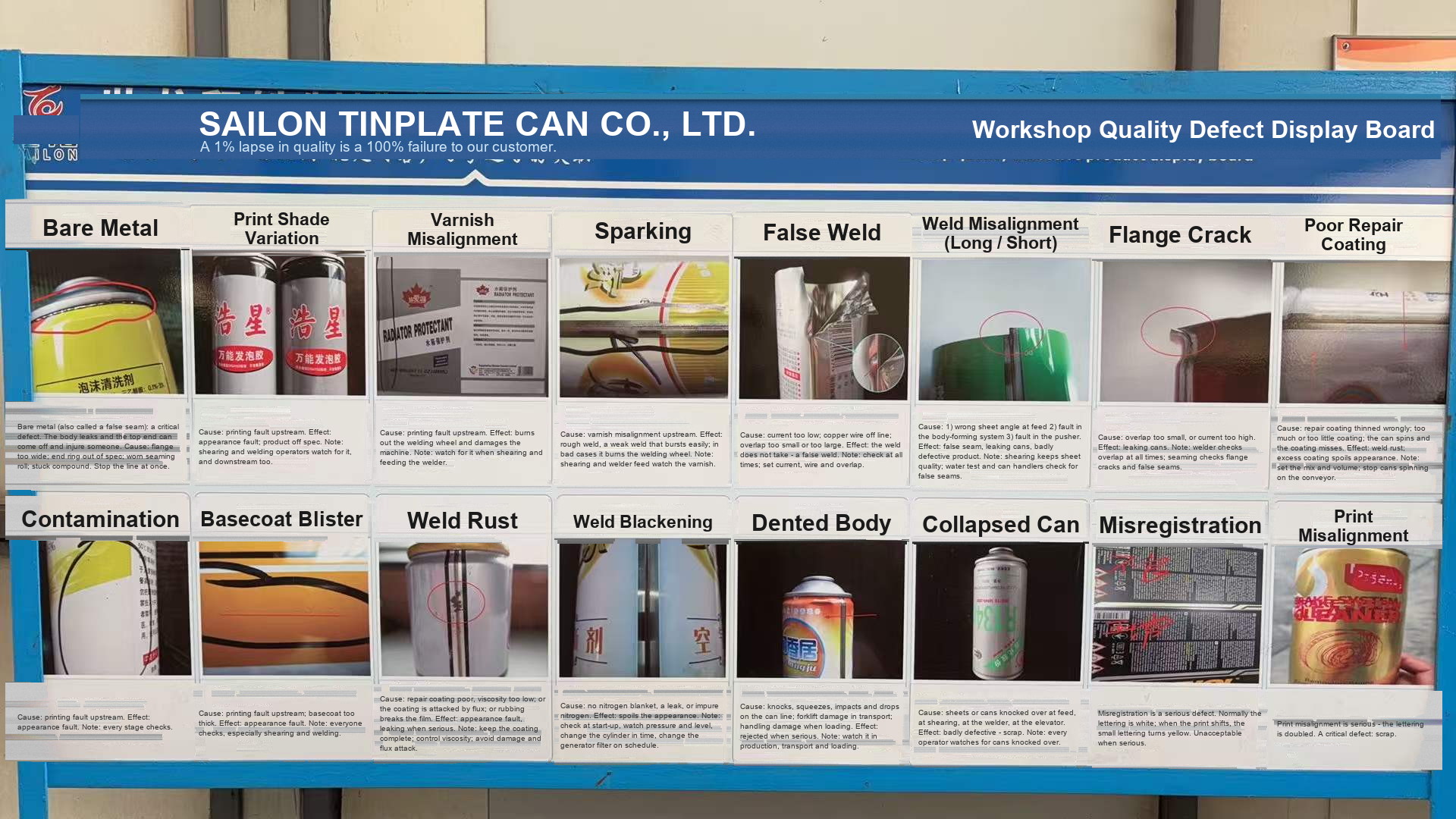
| Local dark discoloration on the weld seam, no visible rust | Excessively wide Heat-Affected Zone (HAZ); the tin-iron alloy layer on the tinplate surface is over-oxidized by welding heat, losing its protective properties | Optimize the matching of high-frequency resistance welding frequency, current settings, and welding speed to precisely control heat input and narrow the HAZ |
| Scattered red rust spots along the weld edge | Misaligned spray, insufficient film thickness, or incomplete curing of internal/external weld repair lacquer, exposing bare steel substrate to moisture | Adjust alignment and output of internal and external repair lacquer spray guns; add real-time UV curing monitoring to ensure uniform, complete epoxy coating coverage across the full weld bead |
| Micro pores and slag inclusions in the weld, rapid rusting when exposed to moisture | Insufficient welding roller pressure creates tiny gaps at the sheet overlap, where residual electrolyte or moisture penetrates and causes crevice corrosion | Calibrate welding roller pressure and overlap dimensions to ensure tight, gap-free sheet bonding and eliminate crevice corrosion risks at the source |
| Longitudinal weld cracking during high-pressure filling or pressure testing | Inadequate post-weld cooling rate leads to coarse grain structure in the weld metal, increasing brittleness and reducing pressure resistance | Upgrade the production line cooling water circulation system to strictly control post-weld cooling gradient, refine weld grain structure, and improve can body impact resistance |
3. Practical Solutions for Two Common Scenarios
With over 17 years of experience in tinplate aerosol can manufacturing, we have resolved numerous weld-related issues for customers worldwide. Below are complete solution paths for two typical scenarios:
Scenario 1: Weld Line Rust After Storage or Ocean Shipping
Customer pain point: Cans pass visual inspection upon delivery, but red rust gradually appears along the weld line after storage in humid monsoon climates, or upon arrival after long ocean freight. This results in customer rejection, return shipments, and significant financial losses. SAILON solution approach:
- Prepare metallographic cross-sections from failed cans. Microscopic inspection reveals that post-weld repair lacquer film thickness fails to meet micron-level protection standards, with thin coating areas that allow moisture to penetrate and corrode the substrate in high-humidity environments.
- Upgrade the in-line repair lacquer monitoring system on fully automatic high-speed Can Production lines, adding real-time film thickness detection and UV curing intensity monitoring. Cans with insufficient coating are automatically rejected.
- Optimize pre-weld surface treatment to ensure weld bead cleanliness and improve coating adhesion, fully eliminating missed or thin coating defects.
Scenario 2: Longitudinal Weld Cracking in High-Pressure Aerosol Cans
Customer pain point: During pressure testing or filling of high-pressure aerosol cans, some cans suffer longitudinal cracking along the side seam, disrupting filling production and posing serious safety risks. SAILON solution approach:
- Measure weld nugget penetration via metallographic microscopy. Analysis shows insufficient nugget penetration in some cans, meaning incomplete fusion of the weld metal and below-standard pressure strength.
- Refine the resistance welding parameter set to consistently maintain nugget penetration within the industry’s optimal range, ensuring molecular-level fusion of the side seam metal.
- Combine with optimized post-weld cooling to refine weld grain structure. The final can pressure resistance far exceeds industry standards, fully meeting safety requirements for high-pressure aerosol applications.
4. Frequently Asked Questions (FAQ)
Q1: Why is micro-metallographic analysis more effective than standard chemical testing for finding rust causes?
A: Chemical composition testing only verifies that raw tinplate meets material specifications; it cannot reflect microstructural changes caused by welding, coating, or other fabrication processes. Metallographic analysis provides a direct view of heat-affected zones, weld grain structure, and the microscopic bond between coating and substrate — like a deep diagnostic scan for the weld — for highly accurate root cause identification.
Q2: How does SAILON prevent weld blackening and rusting in daily production?
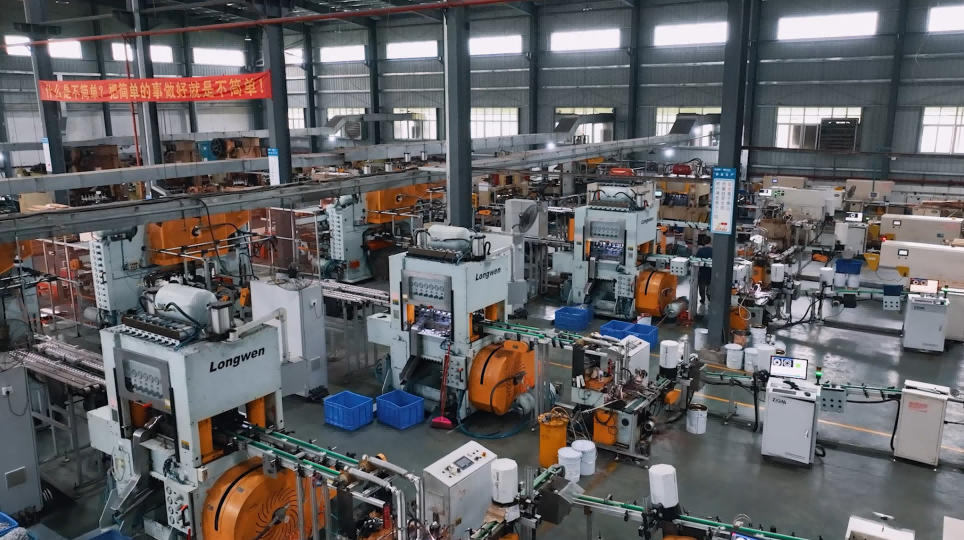
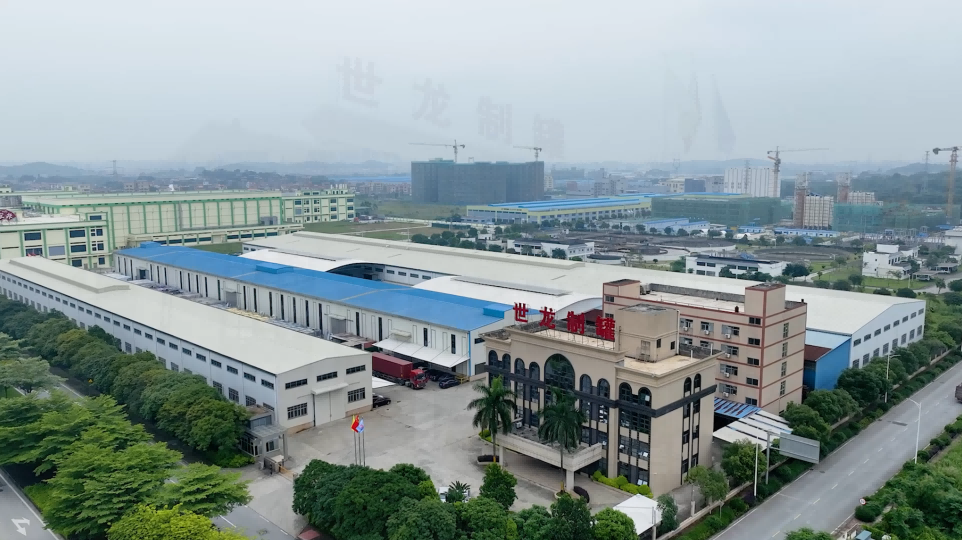
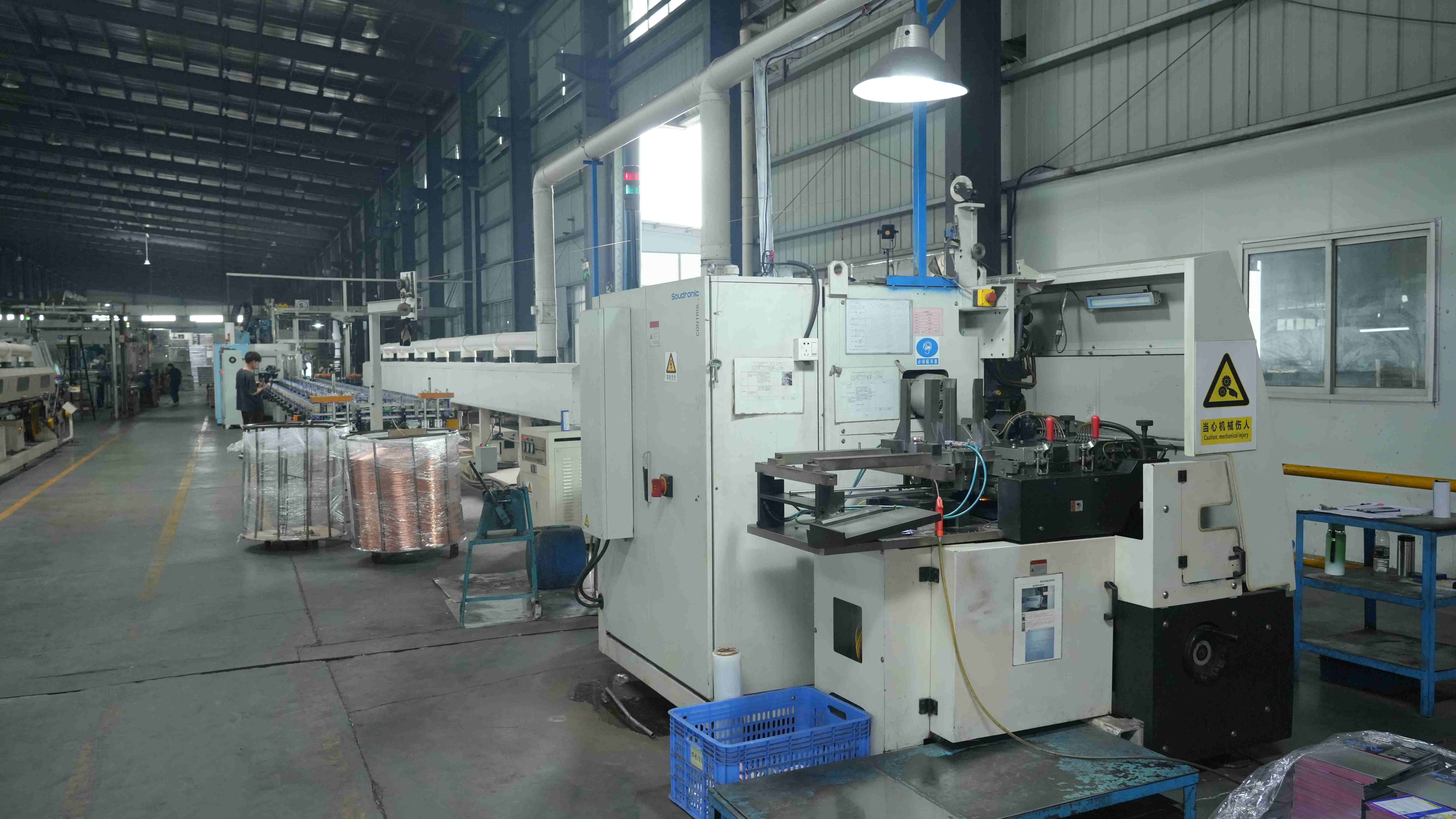
A: As a professional tinplate aerosol can manufacturer with 17 years of industry experience, SAILON operates a 50,000 m² modern facility with 8 high-speed aerosol can production lines. We have established a full-process digital quality control system: from incoming tinplate flatness and tin coating thickness inspection, to printing and drying temperature control, to real-time monitoring of resistance welding parameters, repair lacquer film thickness, and curing strength. Every process step follows strict standards to ensure uniform, dense, well-protected welds on every can.
Q3: The weld is slightly blackened but not rusted — will it affect normal use?
A: We do not recommend ignoring it. Weld blackening is essentially oxidative failure of the tin layer in the heat-affected zone. Without tin layer protection, the darkened area will quickly develop rust in high-humidity or salt-spray environments, and eventually compromise can seal integrity. This is especially critical for industrial chemical and food-grade aerosol cans, which have strict requirements for both appearance and sealing performance. We recommend enforcing strict weld appearance and process standards at the procurement stage.
Q4: How can we reduce weld rust risk for tinplate aerosol cans shipped by ocean freight?
A: In addition to ensuring robust welding and coating processes at the manufacturing stage, protection can be strengthened in two ways: first, selecting tinplate with higher tin coating weight for better corrosion resistance; second, optimizing packaging and storage methods to prevent damp cartons and can condensation. SAILON offers dedicated ocean shipping packaging solutions for export orders, paired with stable weld protection processes, to greatly reduce rust risk during long-distance transit.
5. Conclusion
Weld quality directly determines the sealing performance and service life of tinplate aerosol cans. What may seem like trivial blackening or rust spots often stem from hidden flaws in the manufacturing process. Only by identifying root causes at the micro level can manufacturers fully resolve issues and prevent costly batch failures downstream.
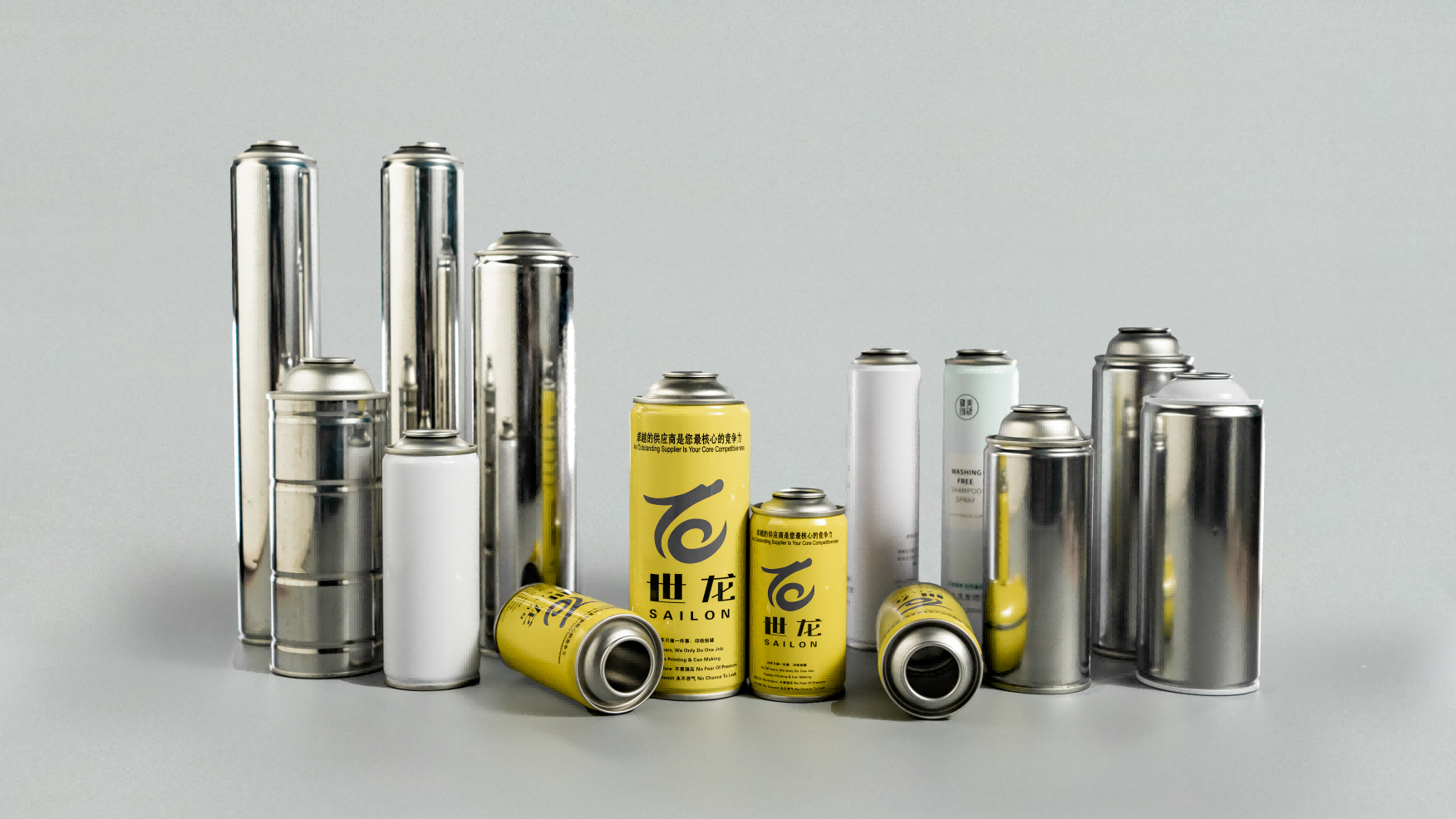
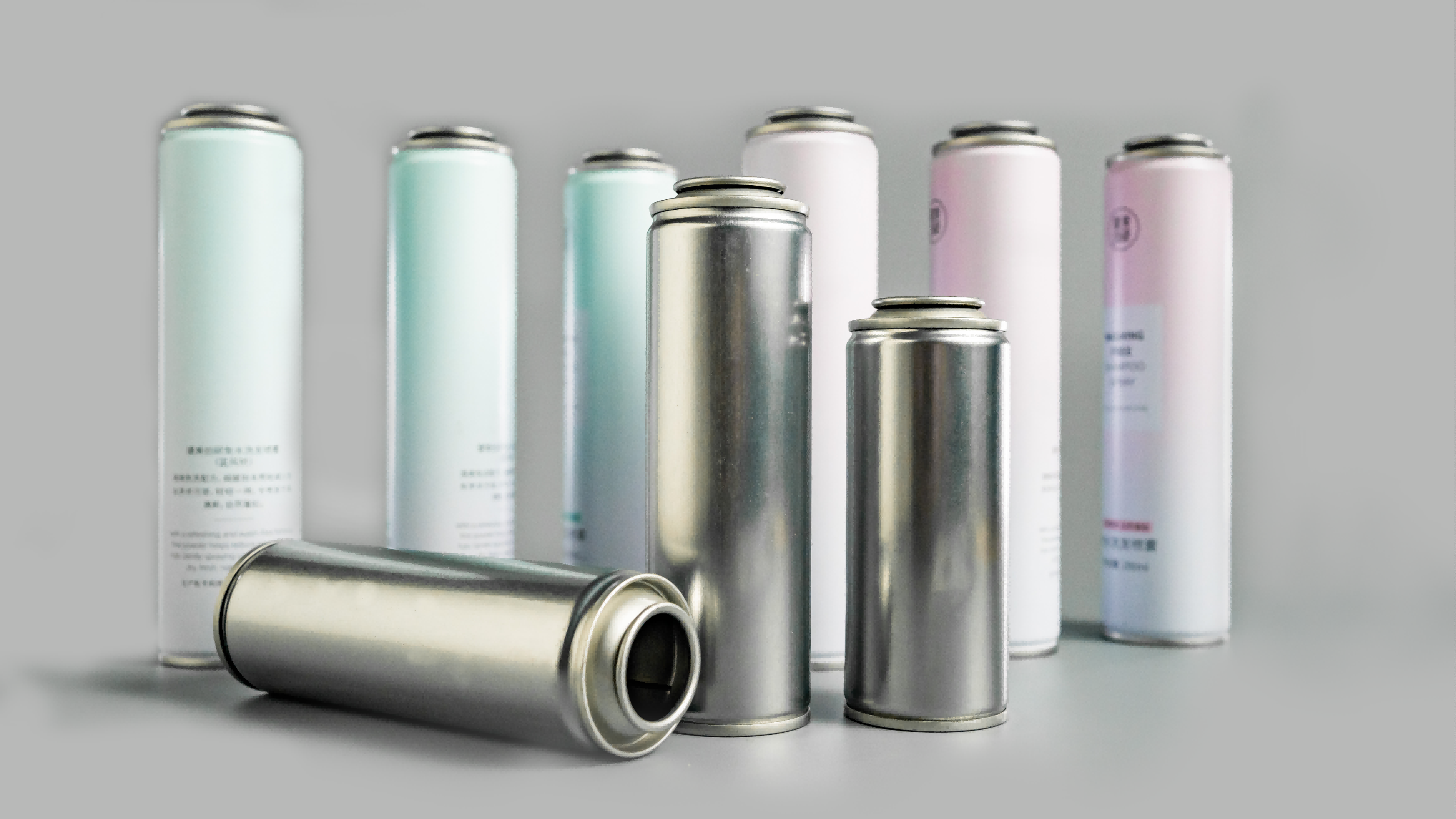
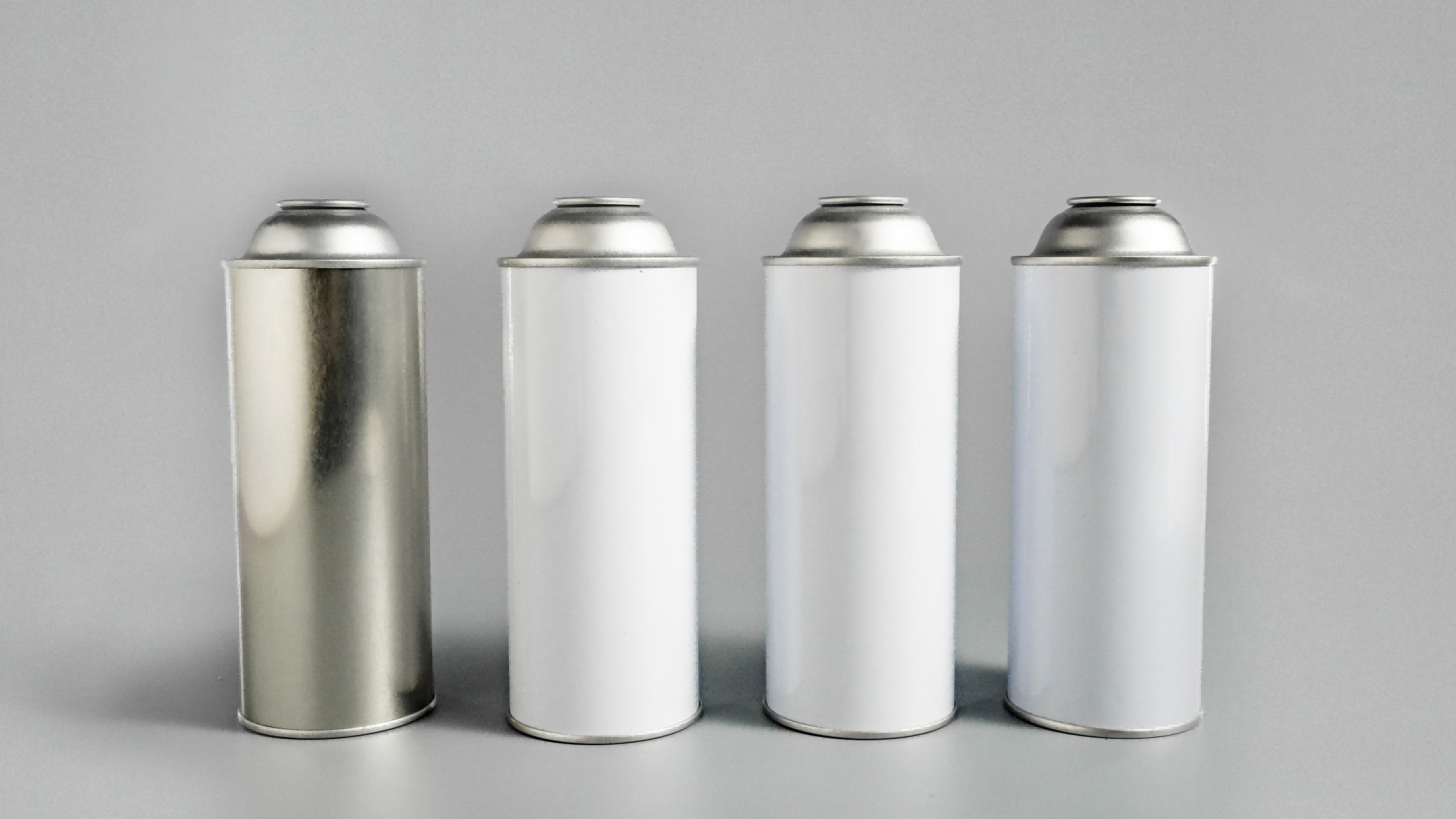
Foshan SAILON is a professional aerosol can manufacturer integrating tinplate trading, printing, and can production. With 10 printing lines and 8 high-speed can-making lines, we hold ISO 9001, US DOT, and other certifications, and supply a full range of normal-pressure, high-pressure, and special-shaped tinplate aerosol cans in diameters from 45mm to 70mm. Our products are widely used in automotive care, home care, personal care, industrial chemicals, and other industries. If you encounter weld rust, insufficient pressure resistance, or other issues with your aerosol can procurement, contact us for customized solutions.