


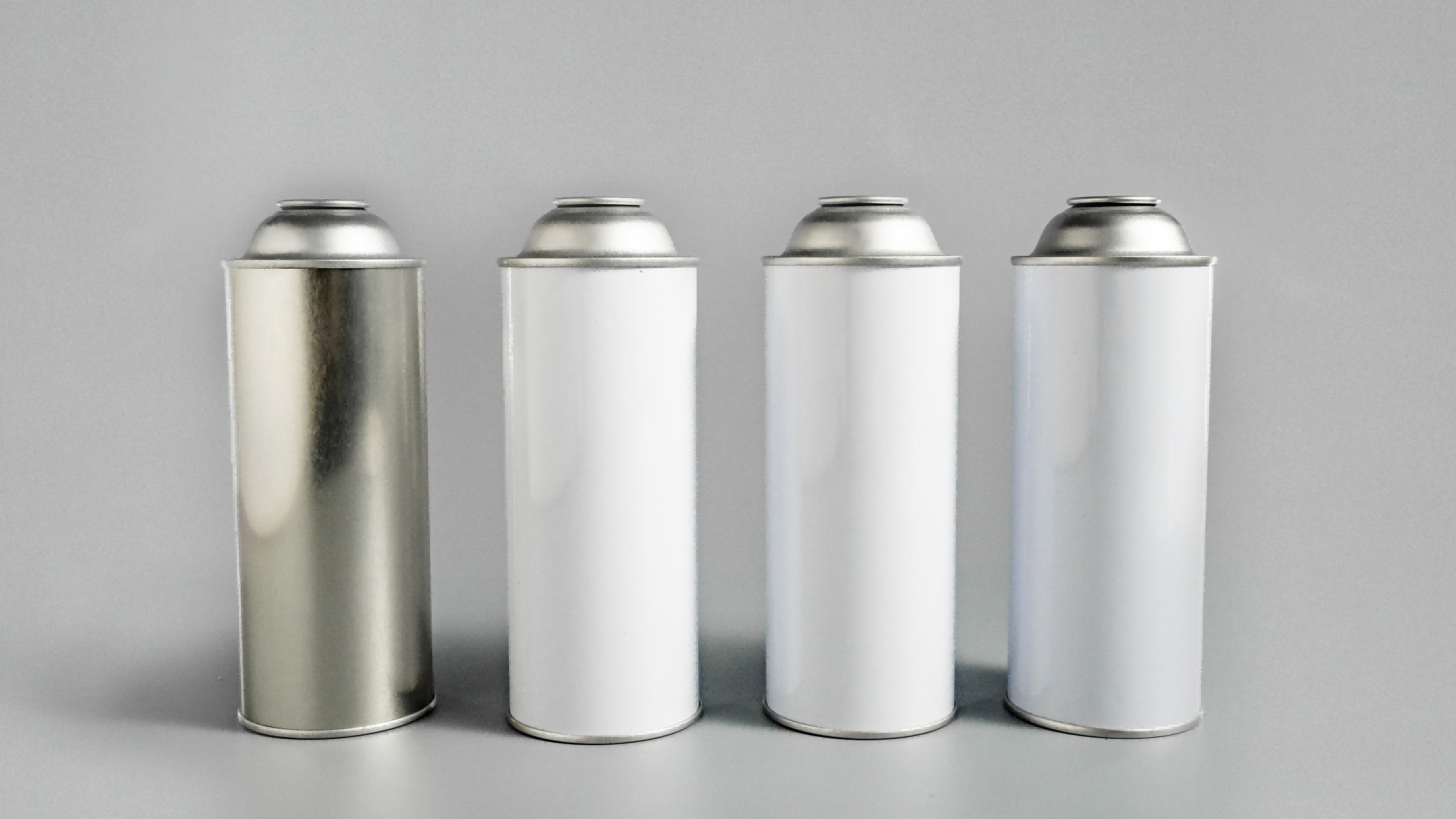
Why Do Some Brake Cleaner Cans Leak or Burst While Others Don't? The Ultimate Guide to Customizing Aerosol Cones & Domes
In the automotive maintenance industry, products like carburetor cleaners, brake cleaners, rust looseners, and chassis coatings are not ordinary household sprays. They are compact pressure vessels packed with aggressive organic solvents and high-pressure propellants.
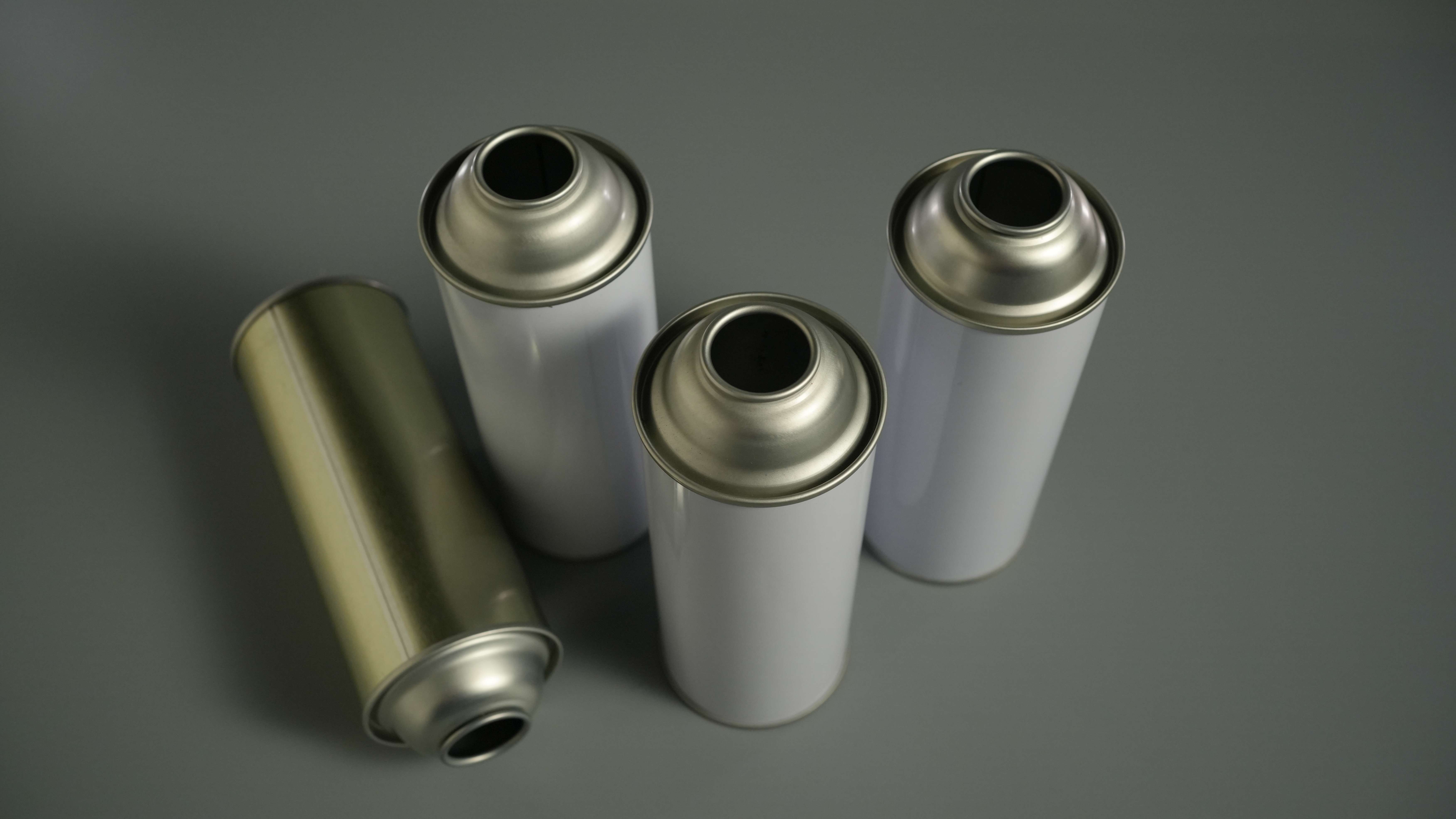
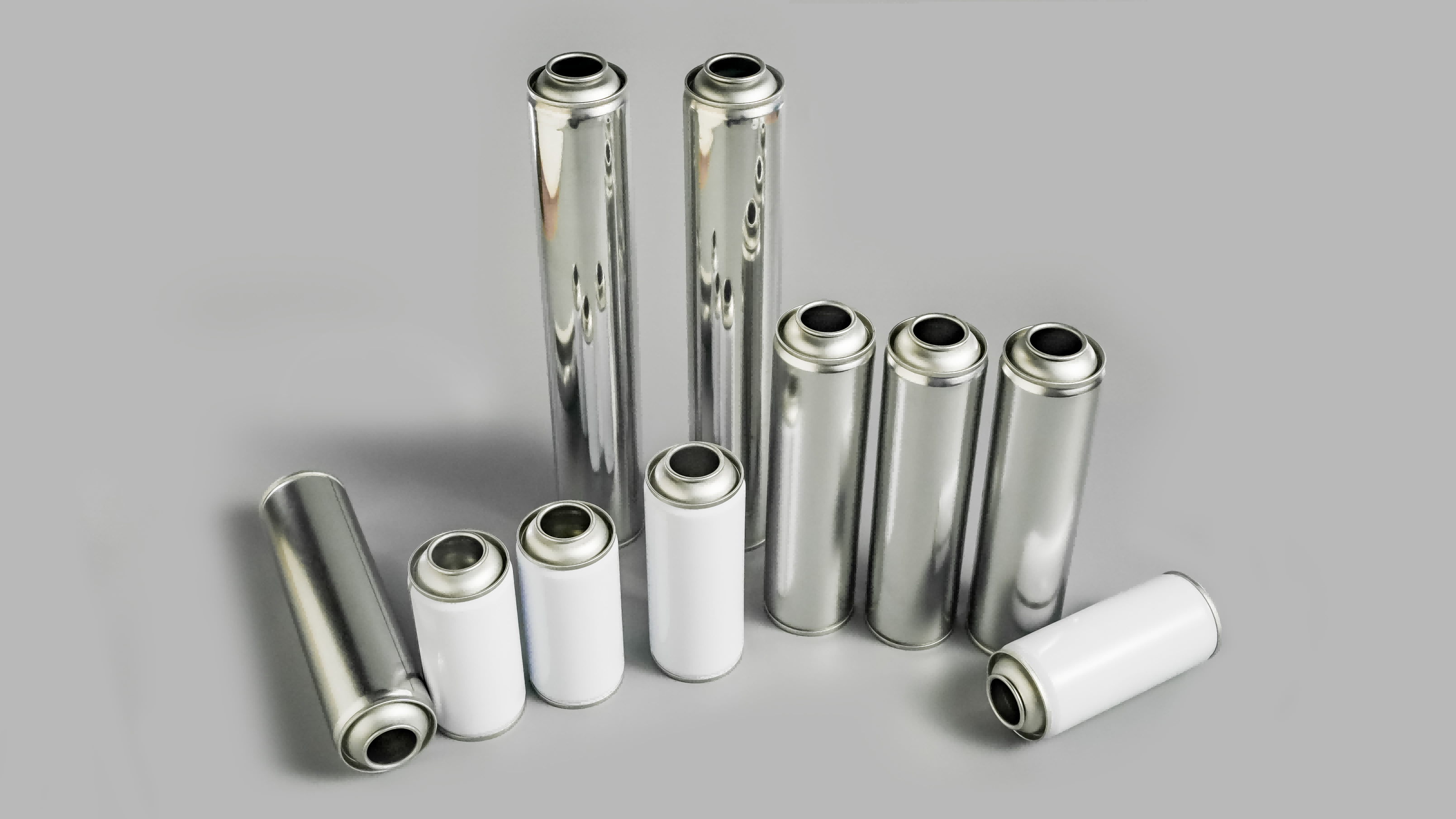
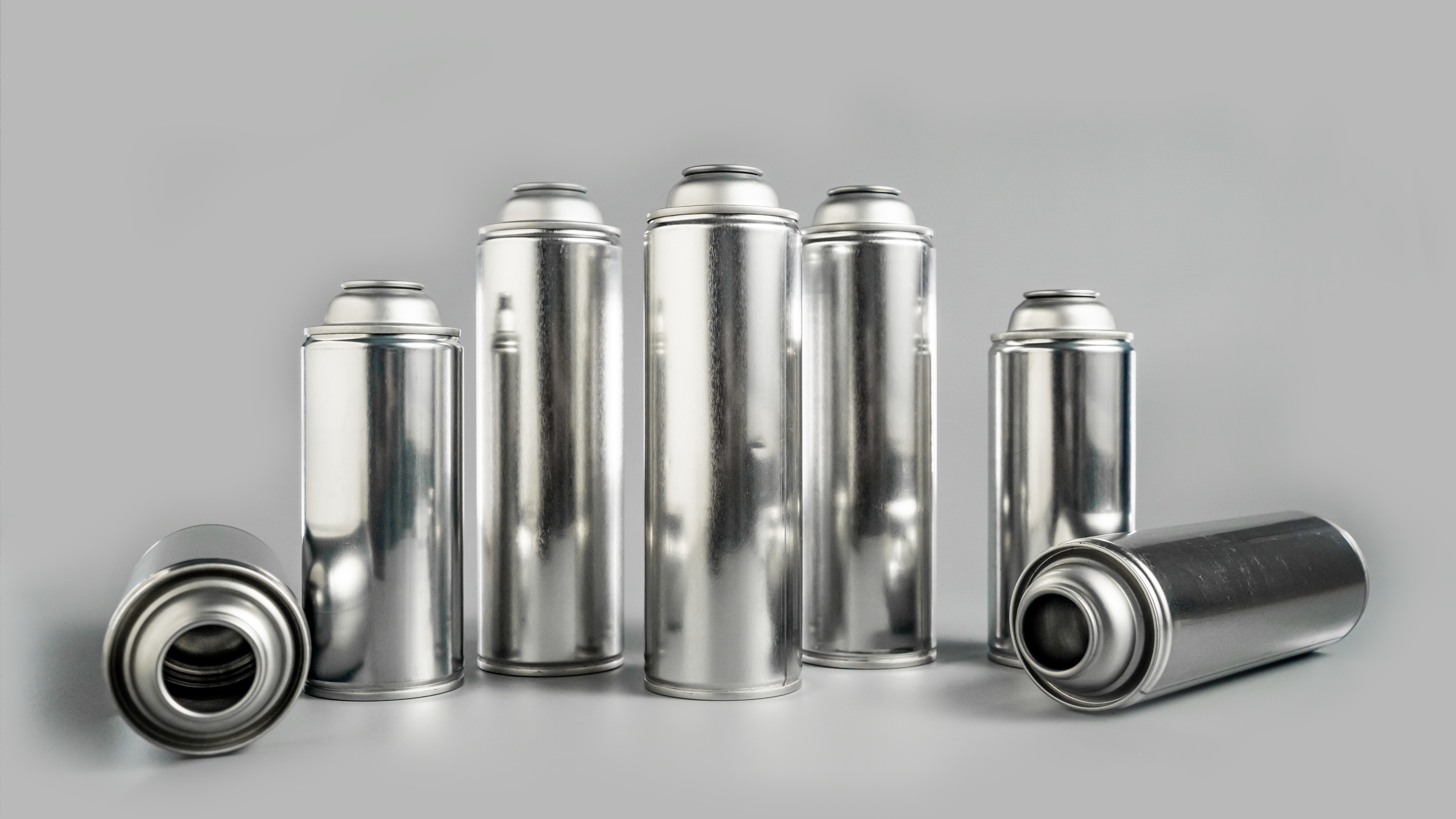
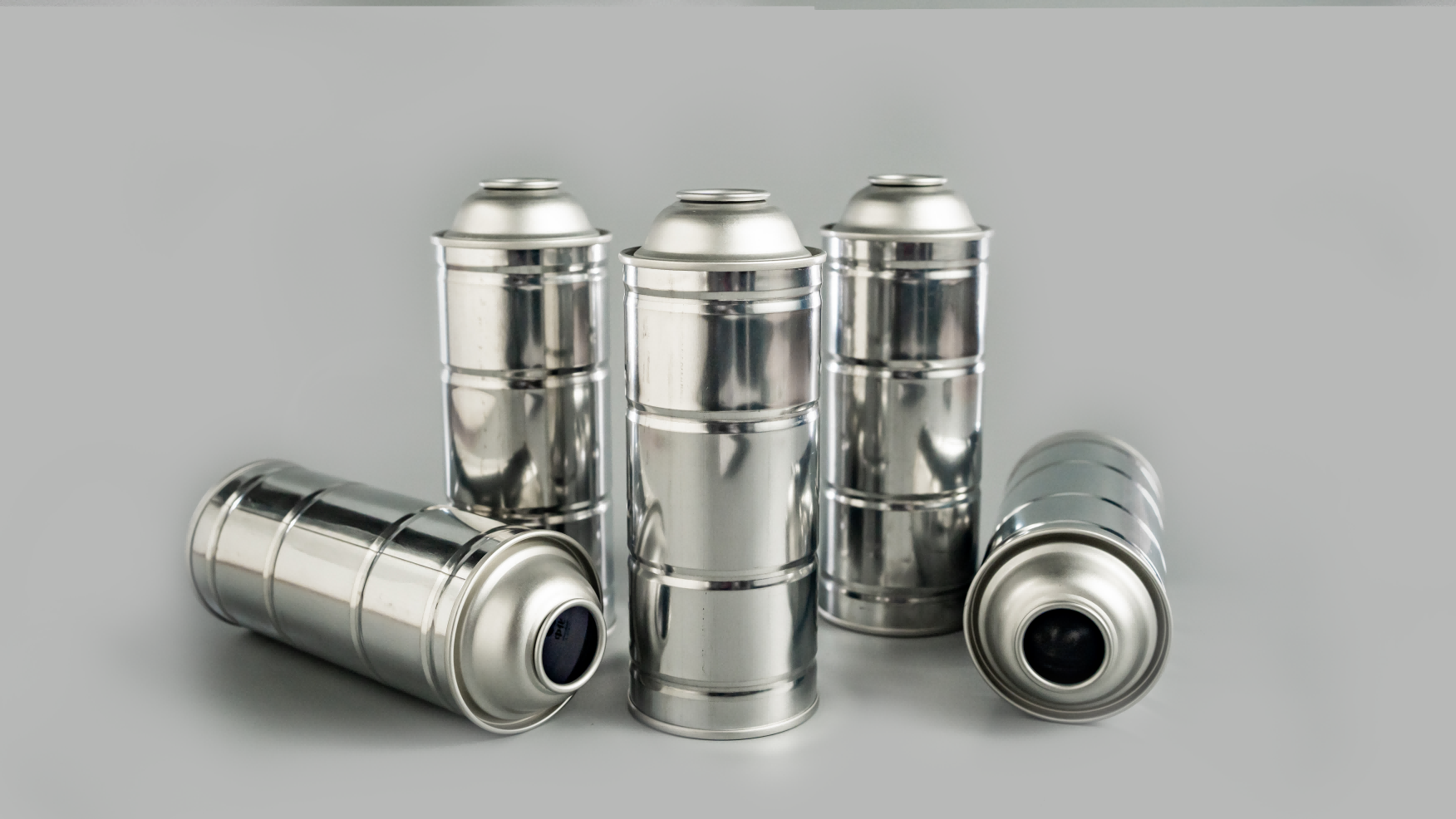
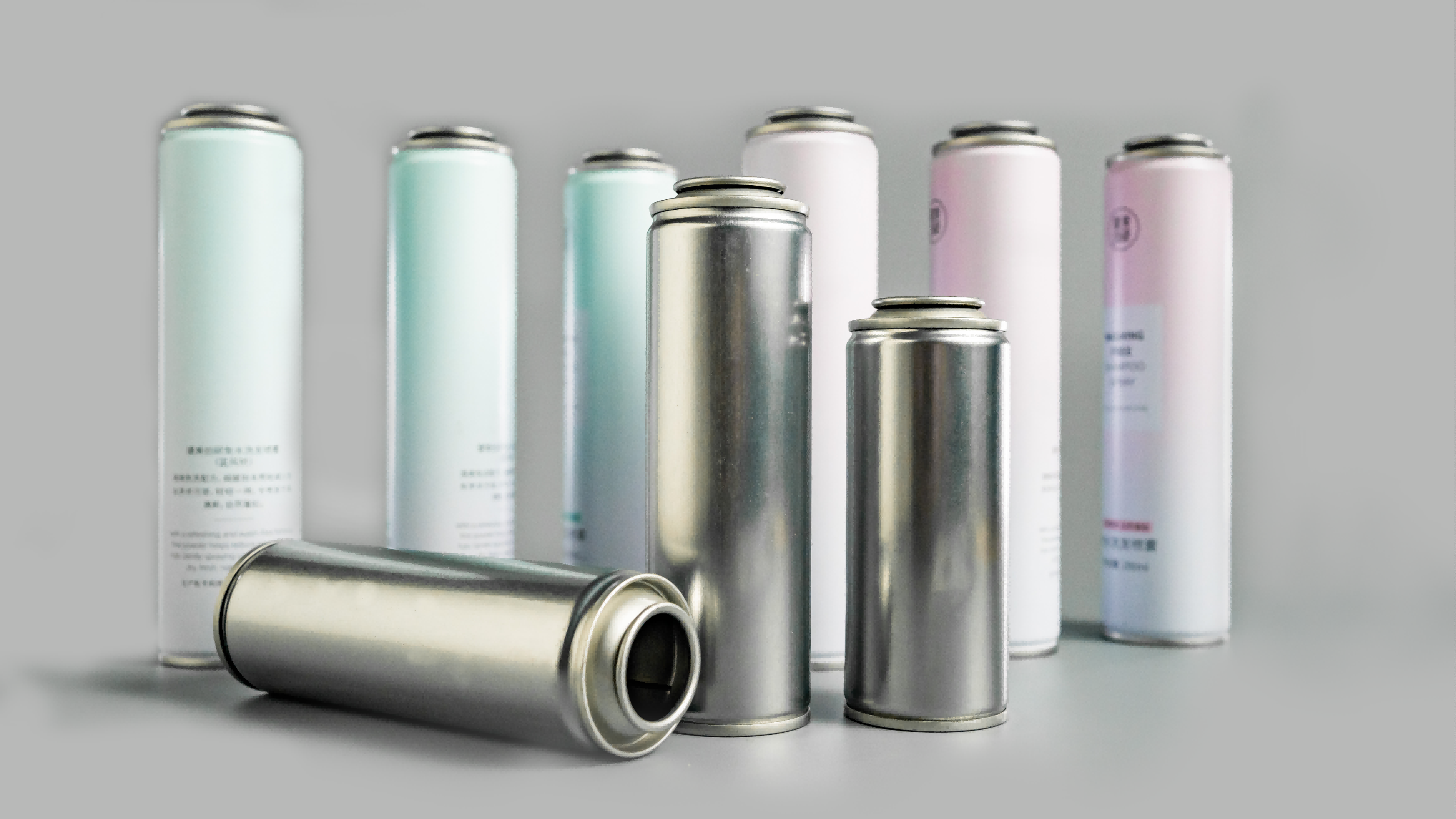
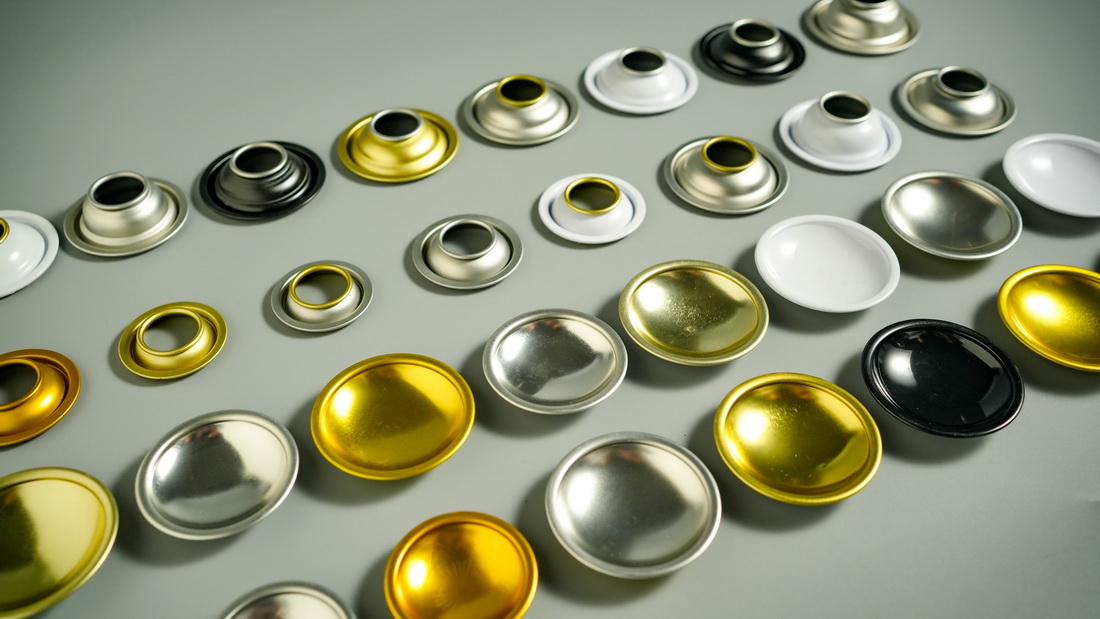
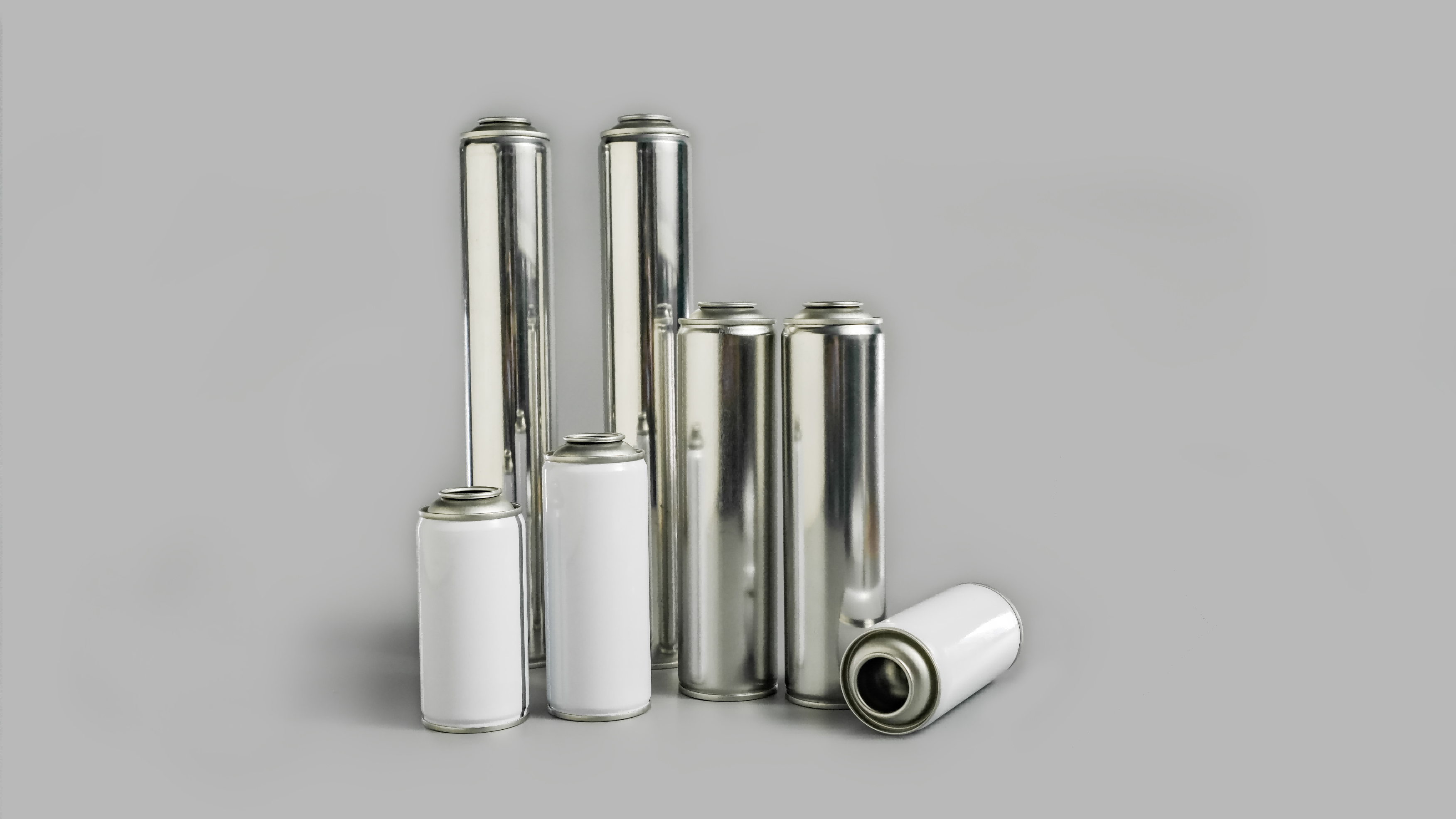
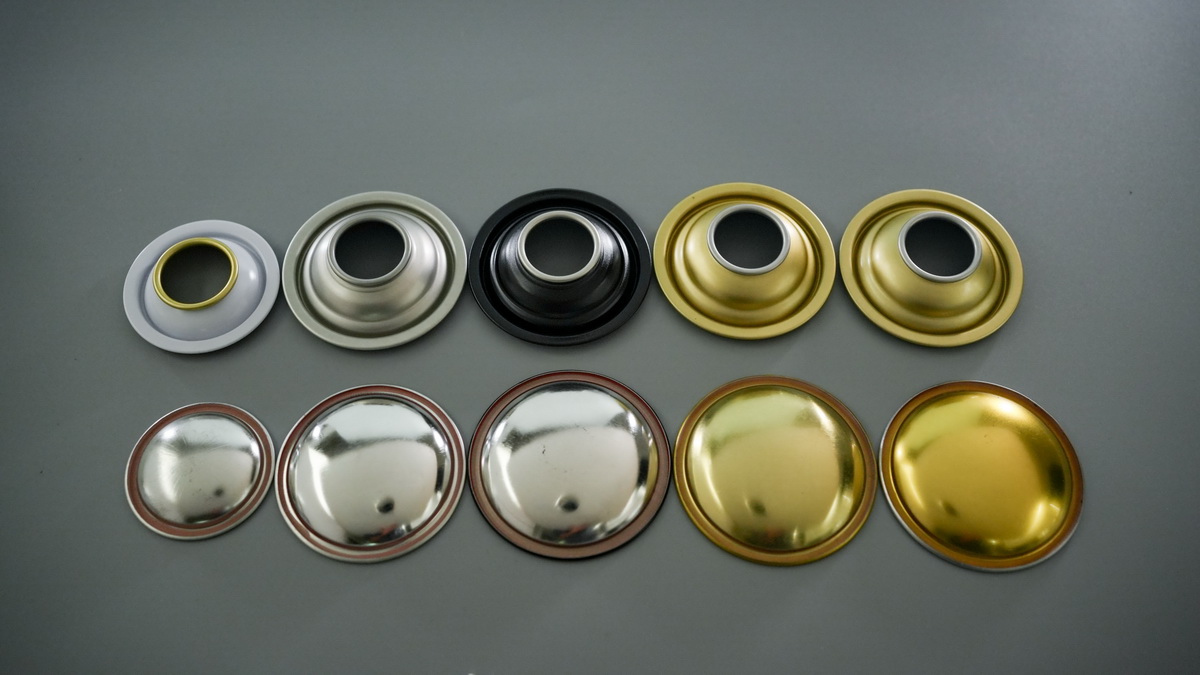
When an aerosol can leaks, deforms, or suffers a pressure failure, the issue rarely originates in the can body itself. Instead, it almost always occurs at the high-stress, structurally complex top (Cone) and bottom (Dome). Understanding how to customize high-performance tinplate cones and domes for automotive chemicals requires a close look at a few technical fundamentals.
1. Why Cone & Dome Choice Is Your Product's Hidden Safety Gate
Compared to personal care or household sprays, automotive maintenance chemicals present two distinct technical challenges:
-
Extreme Pressure in High Temperatures: Stored in hot vehicles or warehouses during summer, strong polar solvents and propellants (such as propane, butane, or DME) expand rapidly, placing immense pressure on the packaging.
-
Aggressive Chemical Corrosion: Solvents like acetone, toluene, and dichloromethane possess intense solvency. If the inner lacquer layer develops pinholes or micro-cracks during stamping, the metal substrate degrades rapidly.
Cones and domes serve as the structural anchor of the container, responsible for both pressure containment and chemical isolation.
2. Four Core Factors for Customizing High-Performance Cones & Domes
1. Pressure Rating & Plate Thickness: Avoiding Flawed Ratings
Following FEA and GB/T 25170 standards, pressure performance is determined by optimizing tinplate gauge and temper:
-
Standard Duty: Deformation pressure ≥ 1.2 MPa, Burst pressure ≥ 1.4 MPa. Suitable for low-pressure lubricants and standard detail sprays.
-
High Pressure / 18 Bar: Deformation pressure ≥ 1.8 MPa, Burst pressure ≥ 2.0 MPa. Requires heavier tinplate (e.g., Dome plate thickness increased to 0.32 mm or higher), engineered specifically for high-pressure brake cleaners and concentrated solvent formulations.
2. Inner Lacquer Selection: Stopping Harsh Solvents from Eating the Metal
Matching the internal lacquer system to formulation aggressive is critical to preventing metal delamination and perforation:
-
Epoxy Phenolic Lacquer: Offers balanced resistance to acids, alkalis, and organic solvents, making it the industry benchmark for solvent-based automotive aerosols.
-
Organosol / Polyester Lacquer: Provides enhanced flexibility and barrier properties for strong polar solvents or corrosive water-containing media.
-
Aperture Re-coating: Stamping stress at the top cone aperture can stretch and damage the initial lacquer layer. Applying a secondary repair coating on the aperture eliminates edge rust and cracking.
3. Aperture Precision (25.4 mm / 1 inch): Preventing Micro-Leaks
The aperture diameter tolerance must be held strictly within ±0.05 mm. Dimensional variations can cause uneven stress on the valve gasket during crimping, leading to slow leaks where propellant depletes over time in storage.
4. Exterior Finish & Brand Protection
-
Varnish & Matte Finishes: Clear varnish preserves natural metallic luster, while industrial black or matte gold coatings add a distinct industrial aesthetic.
-
Logo Embossing: Embossing brand logos or batch marks directly onto the dome or cone enhances shelf presence and deters counterfeiting.
3. Checklist Before Placing Your Order
To secure an accurate engineering recommendation from your manufacturer, prepare the following parameters:
-
Chemical Fill Composition: Exact solvent types and concentrations (e.g., percentage of acetone or xylene).
-
Propellant Type & Pressure: Propellant selection (DME, LPG, N2, etc.) and target pressure at 20°C and 50°C.
-
Can Specifications: Target can diameter (e.g., 52 mm, 60 mm, 65 mm) and 1-inch valve fitting requirements.
-
Regulatory Standards: Target region compliance requirements (DOT, FEA, or local dangerous goods regulations).
With these inputs, the supplier can calculate the most cost-effective plate thickness, temper grade, and coating formulation.
4. Frequently Asked Questions (FAQ)
Q1: Why does rust or perforation often occur first around the top cone aperture?
A: During the stamping process, the 1-inch central aperture undergoes the highest mechanical deformation, which can strain or micro-fracture the original interior lacquer. Selecting top cones produced with an "aperture re-coating" process adds a protective barrier over these stress-deformed areas.
Q2: How do lacquer requirements differ between water-based automotive sprays and pure solvent formulations?
A: Pure organic solvents mainly test the lacquer's swelling resistance and adhesion. Water-based or water-containing formulations are more prone to triggering electrochemical corrosion, requiring high pinhole-free integrity and chemical barrier strength. For these, heavy epoxy phenolic or organosol coatings are recommended.
Q3: How can we optimize procurement costs without compromising bursting strength?
A: Avoid relying solely on increasing plate thickness. Enhancing material temper (e.g., selecting a higher temper grade) or optimizing the structural profile of the dome boosts burst strength without adding excess metal weight. Combined with a precisely targeted coating, this yields the optimal balance of safety and cost efficiency.
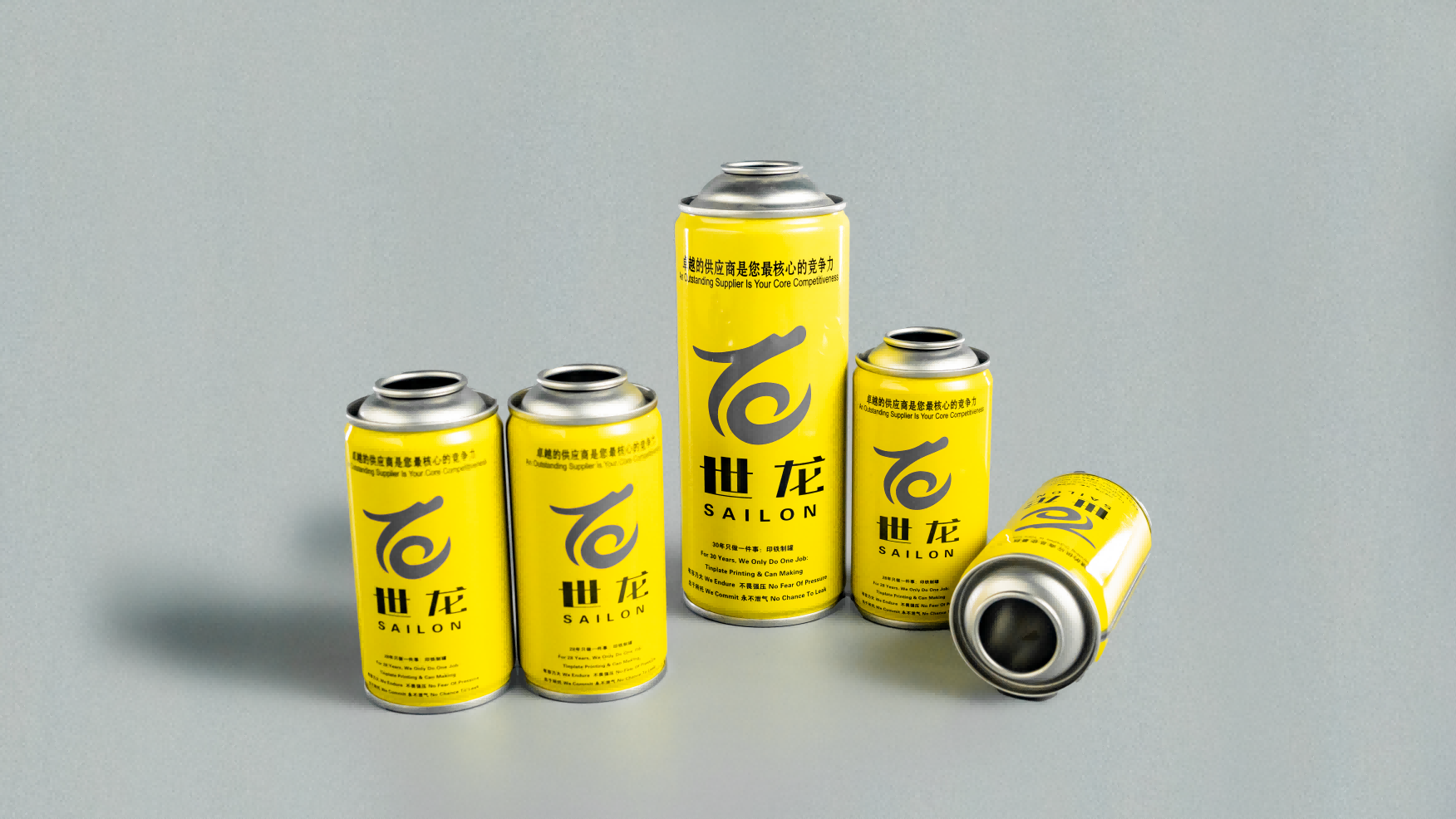
Whether you are formulating high-pressure brake cleaners or aggressive carburetor solvents, SAILON brings years of precision engineering and manufacturing expertise in tinplate Aerosol Cones and domes. From material matching and custom coating to pressure testing, SAILON delivers tailored component solutions to keep your aerosol products secure across every market.