


Why Do Most Aerosol Cans Look "Cheap" on the Shelf? A Practical Guide from Tinplate Printing to Can Forming
In auto parts shops and retail stores, a shopper takes less than 3 seconds to decide whether to pick up a product. No matter how powerful the formula inside is, if the outer package exhibits dull colors, darkened weld seams, or wrinkled necks, consumers instantly associate it with poor quality.
An aerosol can is more than a container—it is a brand's most valuable billboard on the shelf. To make your product stand out, you need to master precision in two core manufacturing stages: tinplate printing and can body forming.
Part 1. Visual First Impression: High-Precision Tinplate Printing Techniques
Unlike printing on paper, tinplate printing involves an opaque metallic substrate that undergoes intense thermal curing and multi-coat applications. Bringing out a premium look on metal requires three essential decisions:
1. Base Coating: White Coating vs. Metallic Transparency
-
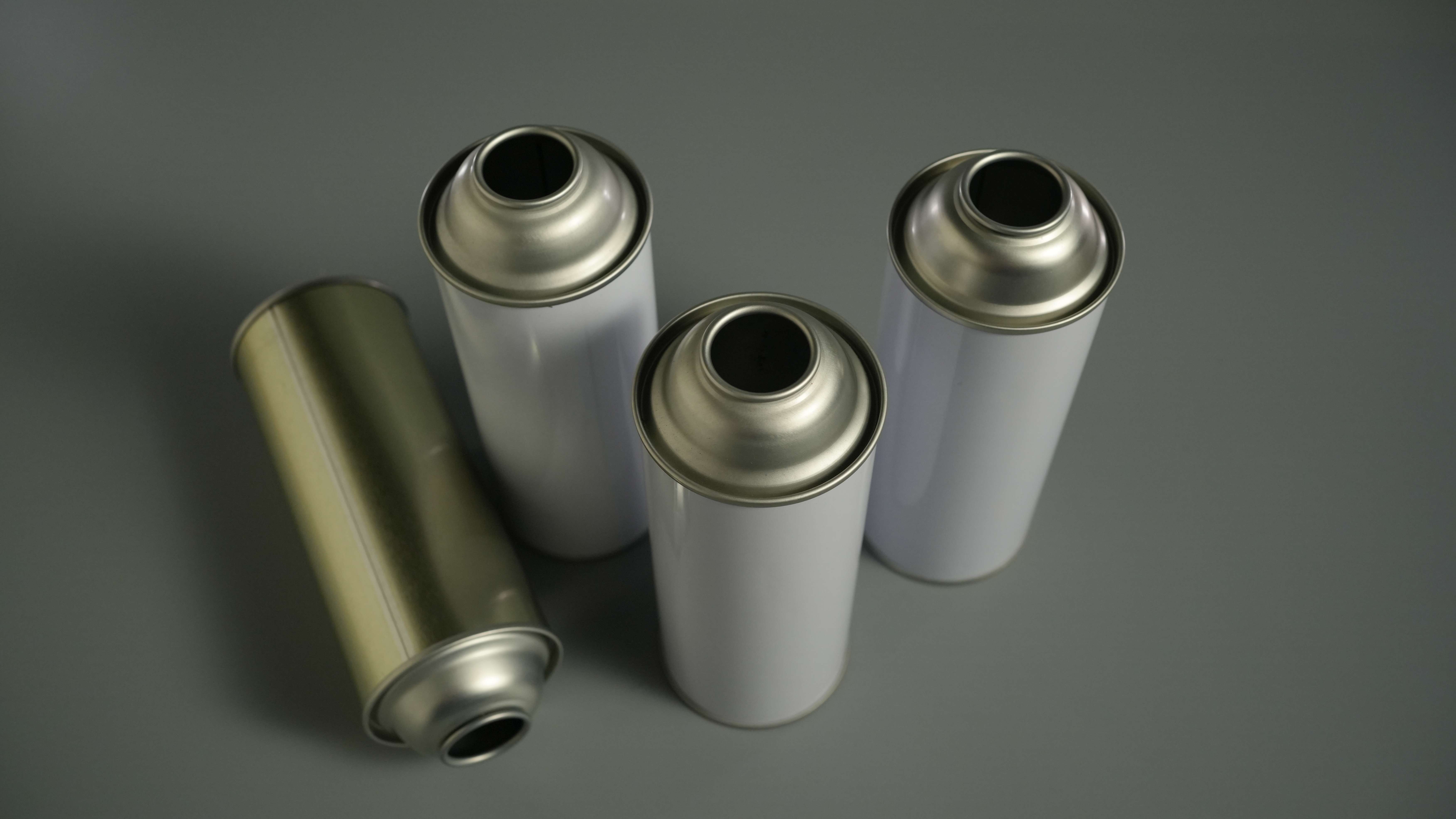
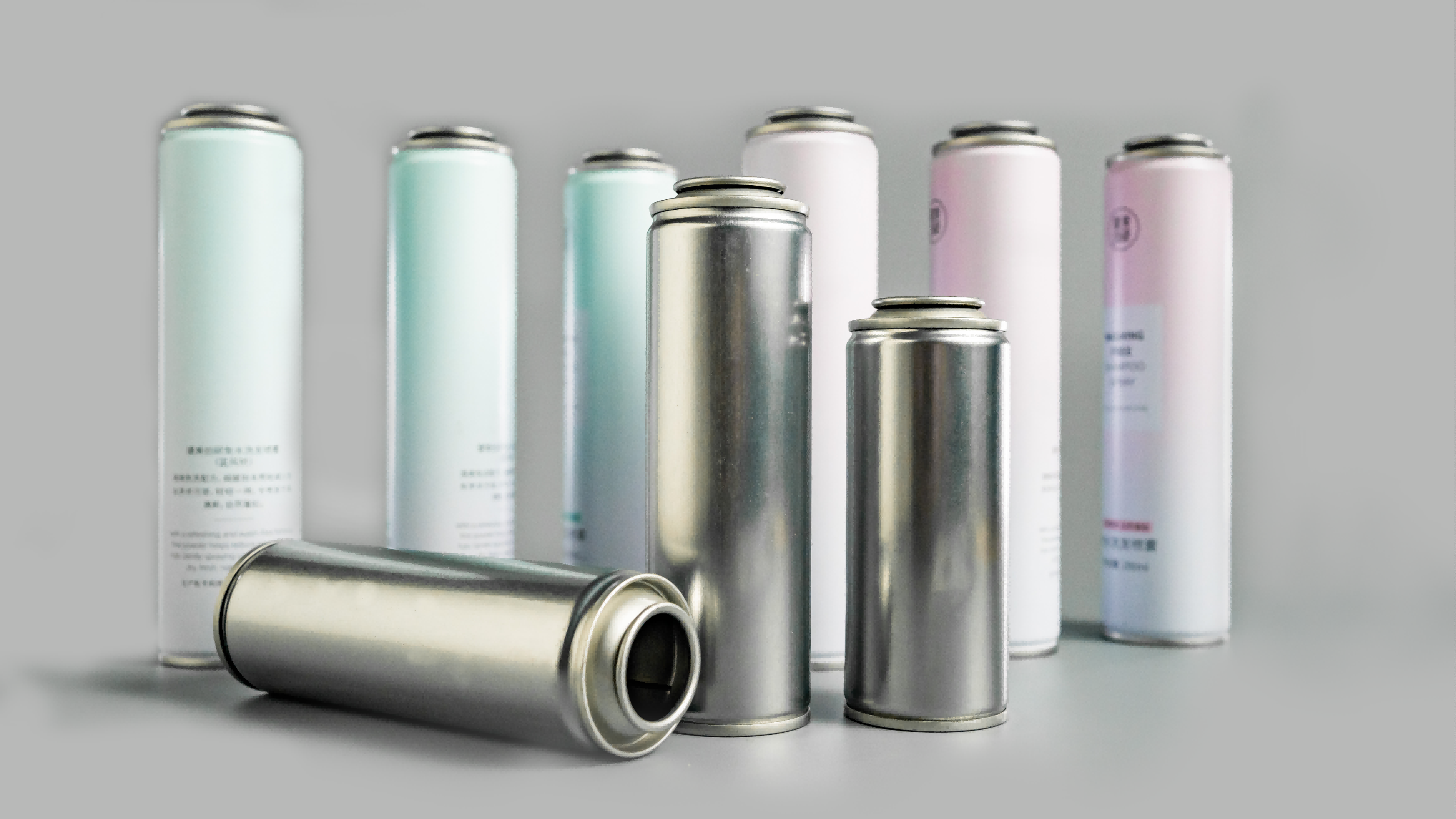
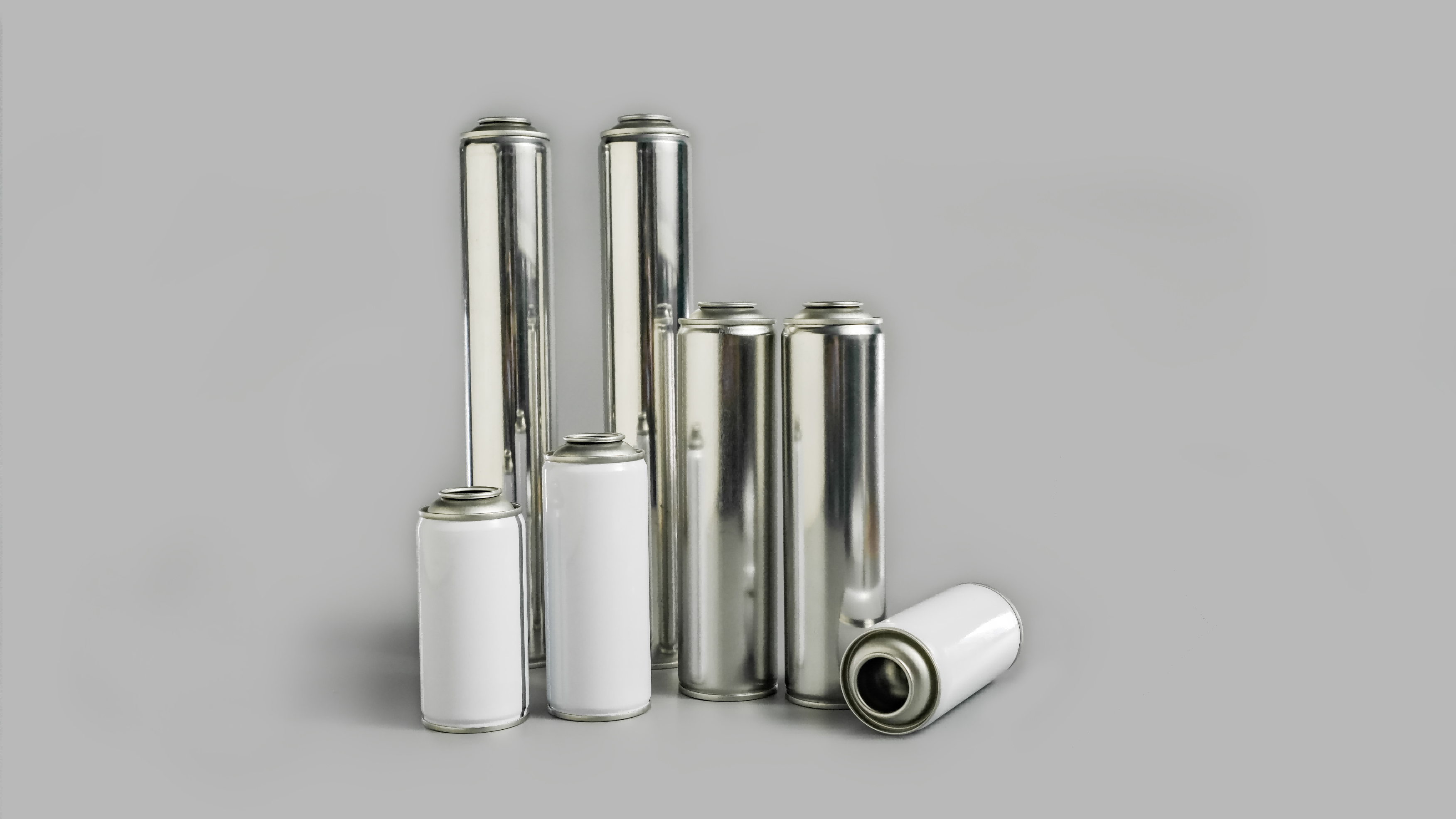
White Coating: A high-opacity white base is applied before printing CMYK colors. This ensures maximum color accuracy and vivid detailing, making it ideal for auto detailing products that feature photorealistic artwork or crisp graphics.
-
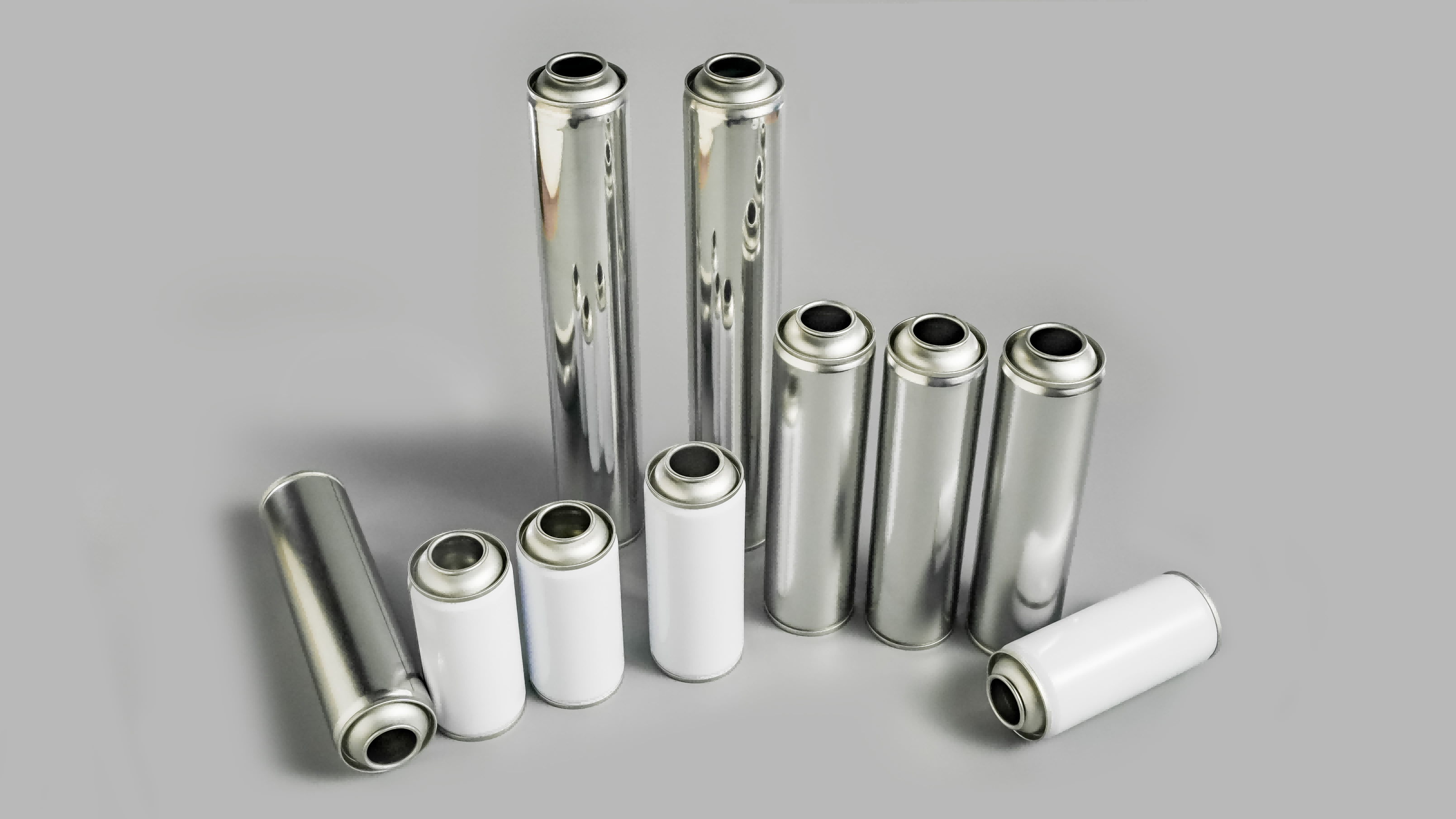
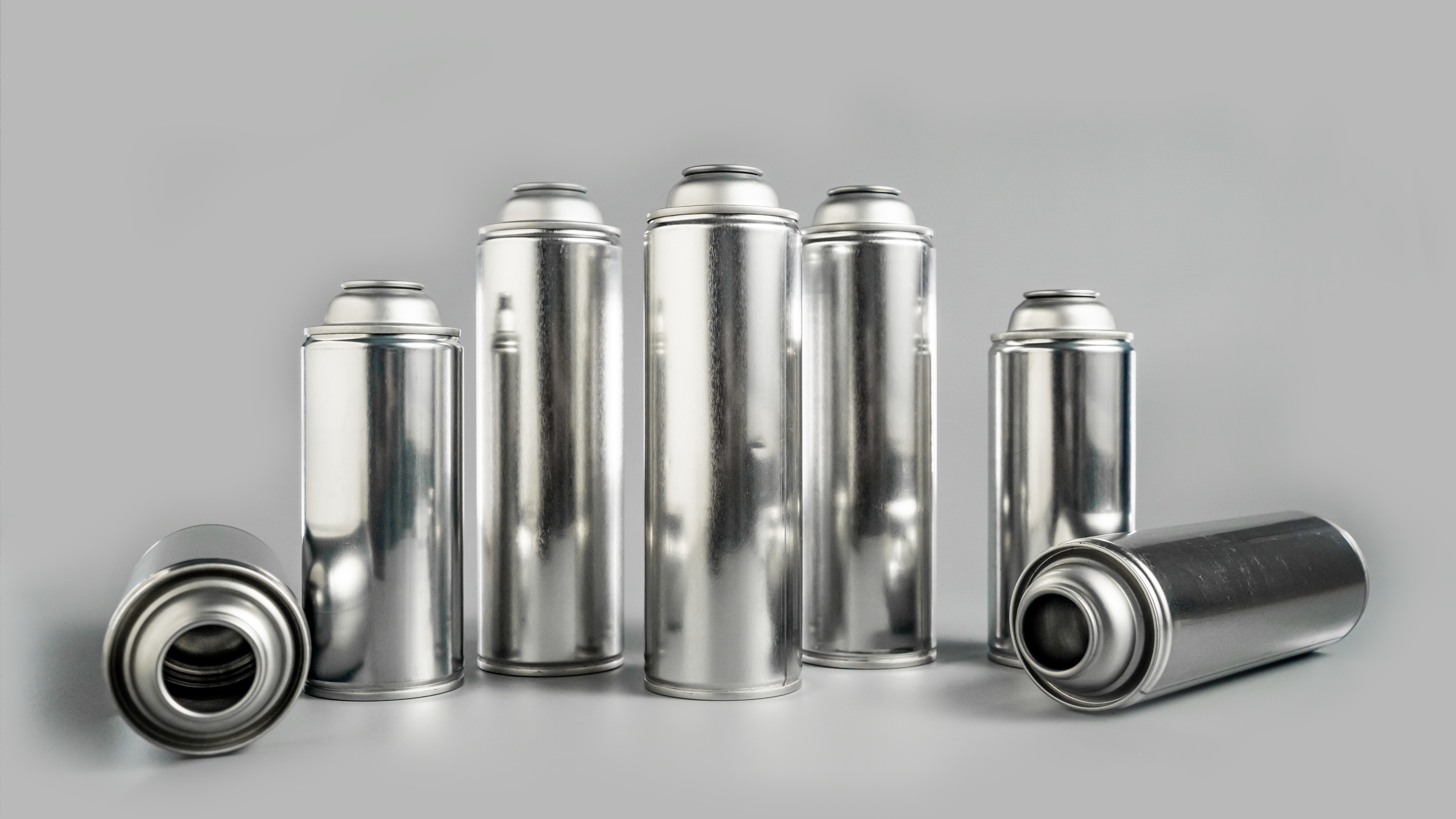
Metallic Transparency: The translucent ink is printed directly onto the tin-plated sheet without a white base. This preserves the natural metallic shine and brushed steel texture, giving heavy-duty items like brake cleaners and rust penetrants an industrial, high-tech edge.
2. Spot Colors & Line Screens: Crisp Details Without Color Shift
-
Brand colors (such as racing red or tech blue) should always use Pantone spot colors to maintain 100% color consistency across different production batches.
-
Paired with 175–200 LPI high line-screen printing, small safety warning icons, fine typography, and complex paint reflections remain razor-sharp without blur or jagged edges.
3. Varnish Selection: Defining Texture and Sheen
-
Glossy Varnish: Enhances color saturation and scratch resistance—the go-to choice for mainstream automotive sprays.
-
Matte / Soft-Touch Finish: Low-key and tactile, offering a smooth touch that elevates premium detailing and interior care products.
-
Spot UV Contrast: Combines a matte background with a glossy coat over the brand logo or key feature text, creating a dynamic visual accent under retail lights.
Part 2. Can Body Forming: Eliminating Micro-Flaws that Destroy Brand Trust
If printing sets the visual ceiling, body forming determines the quality floor. Flawed assembly ruins even the finest print job.
1. High-Frequency Welding for "Invisible" Seams
Modern high-frequency resistance welding keeps the seam narrow, clean, and free of spark splatters, resulting in a flat, visually seamless side joint.
2. Seam Recoating: 360-Degree Graphic Continuity
Both sides of the weld seam require a protective anti-corrosion coating. The outer recoat must utilize a clear or color-matched varnish to eliminate ugly yellow or black lines along the joint, maintaining a continuous 360-degree graphic layout.
3. Smooth Necking and Double Seaming: Wrinkling-Free Curves
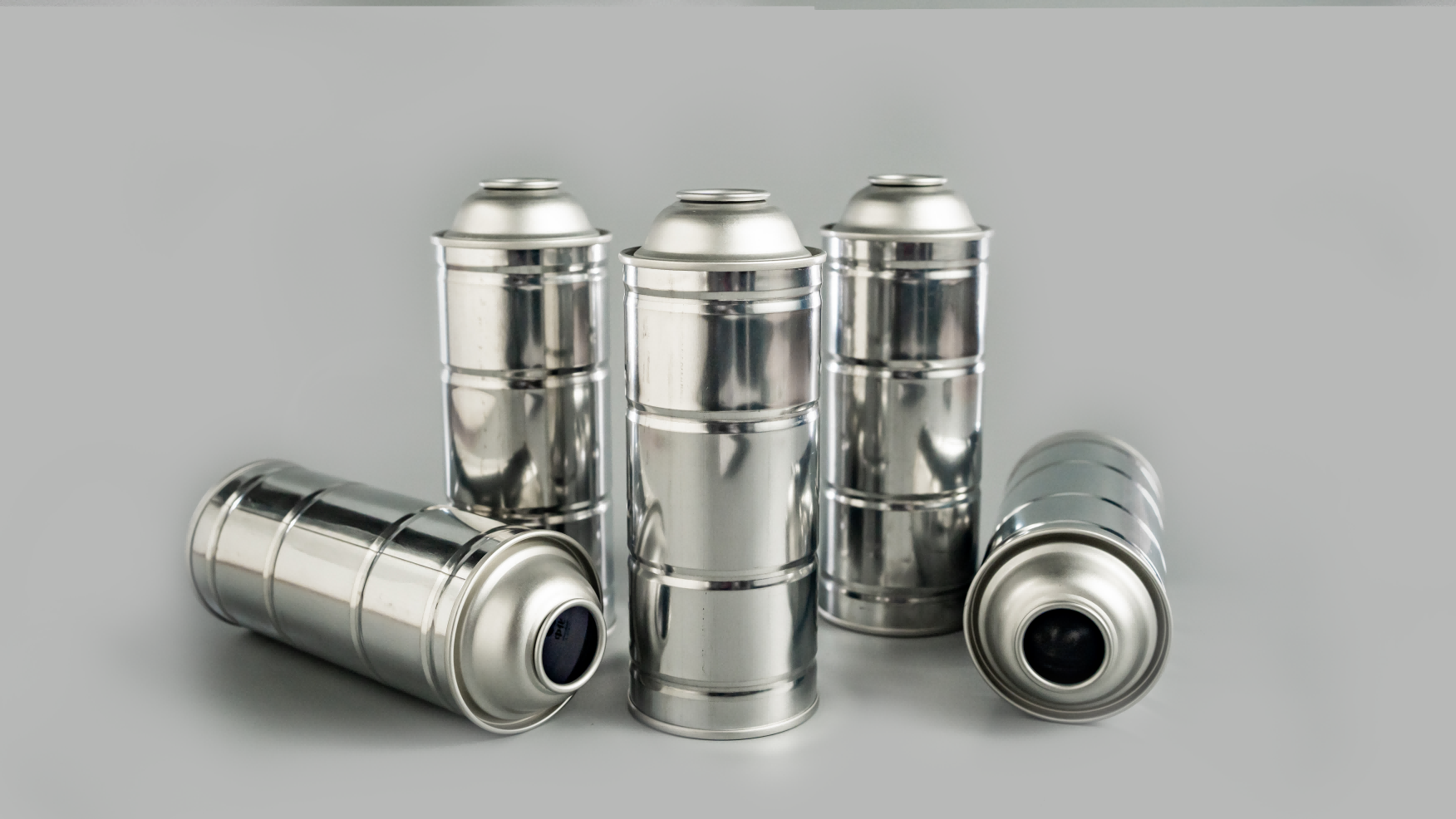
During the multi-stage necking process, low-precision tooling can leave visible wrinkles or uneven ridges along the shoulder transition. High-precision necking dies ensure smooth, flowing curves that enhance the structural and aesthetic feel of the can.
Part 3. Frequently Asked Questions (FAQ)
Q1: Should automotive sprays use a white base or direct metallic transparency?
Answer: It depends on your brand's visual focus. If your packaging features photorealistic rendering, complex graphics, or small instructions, opt for a white base for max clarity. If you are selling heavy-duty performance items (e.g., brake cleaners or lubricants) where a raw industrial style adds value, metallic transparency is the stronger choice.
Q2: How can we prevent dark or rusty weld seams during storage and transit?
Answer: The solution lies in the quality of the seam recoating process. High-adhesion, solvent-resistant varnish must be applied and fully cured over the seam. This restores a continuous protective barrier that seals the bare metal off from air and humidity.
Q3: Is a soft-touch matte finish durable enough against scratches and chemicals?
Answer: High-grade soft-touch varnishes engineered for Aerosol Cans offer solid scratch resistance and basic solvent protection once heat-cured. For cans holding aggressive solvents (such as carburetor cleaners), resin-fortified ink formulations can be used to balance tactile appeal with chemical resistance.
Part 4. Turning Cans into Silent Salespeople
Creating an aerosol can with maximum shelf appeal requires seamless synergy between printing precision and forming craft. Even a minor detail overlooked can compromise customer trust at the point of sale.
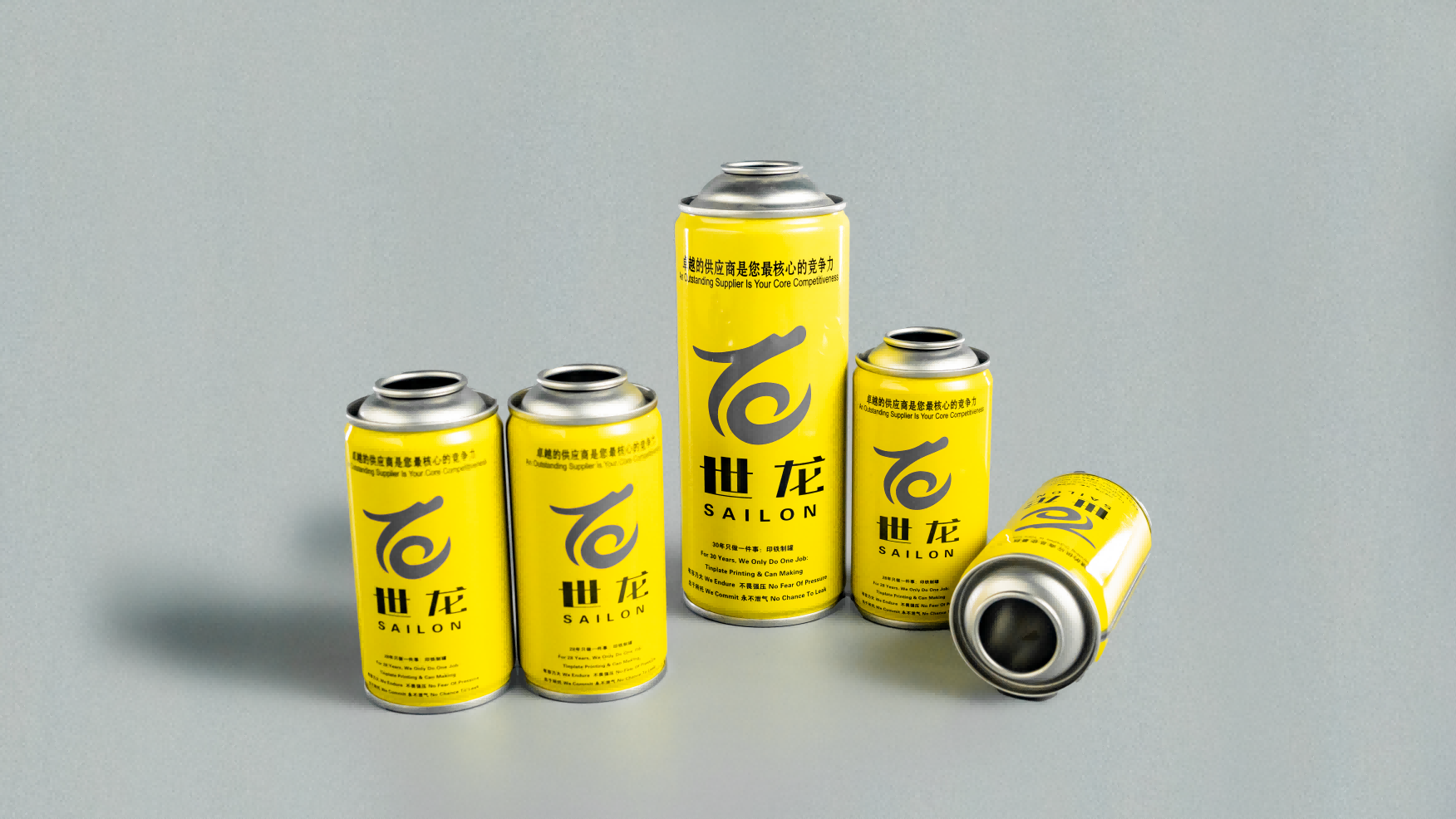
As a specialized manufacturer of tinplate aerosol cans, Sailon Can operates fully automated high-speed printing lines alongside high-precision forming machinery. From custom pressure-resistant Cone & Dome engineering and precise color matching to stable volume supply across 52mm, 60mm, and 65mm diameter can series, Sailon provides global auto care and aftermarket brands with complete packaging solutions that fuse safety with shelf appeal.