



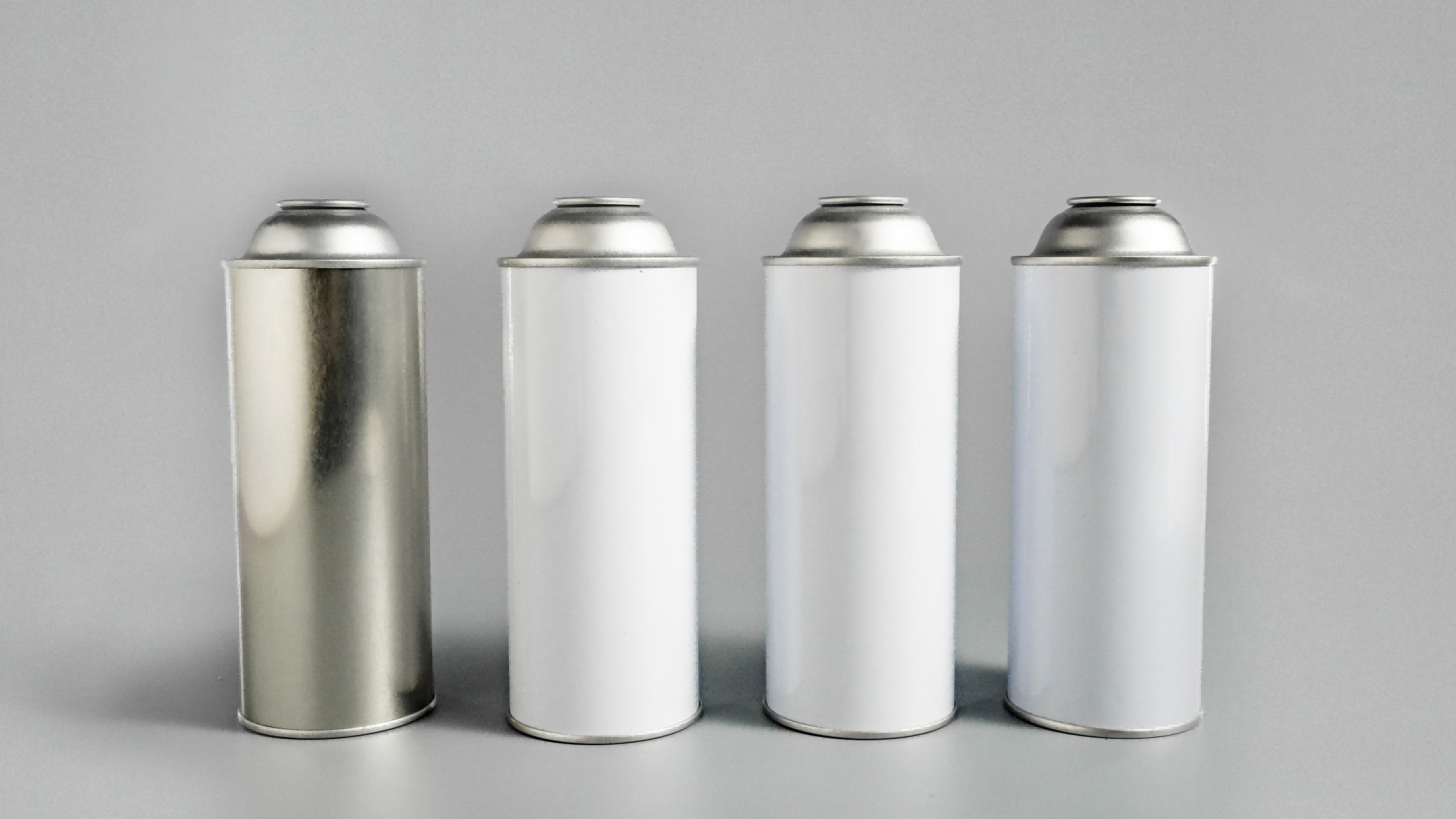
The Aerosol Can Pre-Shipment Inspection Guide: Catch Leaks and Seam Defects Before They Ship
Pre-shipment inspection is the final gatekeeper preventing defective packaging from entering filling lines or shipping containers. When empty containers arrive at a filling plant with dimensional variations, micro-leaks, or seam flaws, high-speed automated lines jam, causing operational downtime and product waste. Conducting a thorough Aerosol Can Pre-Shipment Inspection protects brand reputation and ensures full compliance with international safety and transport regulations.
Establishing a rigorous audit workflow requires standardized sampling protocols, precise measuring equipment, and a clear understanding of acceptable quality limit standards.
Acceptance Quality Limits and Sampling Framework
Quality control teams use statistical sampling methods based on ISO 2859-1 (ANSI/ASQ Z1.4) standards to evaluate bulk shipments before container loading. Defects are classified into three severity tiers to determine batch acceptance:
-
Critical Defects (AQL 0.65): Non-conformities that compromise safety or lead to container failure during pressurized filling, such as seam splits or pinholes.
-
Major Defects (AQL 1.5): Variations that cause filling line stoppages or valve crimp failures, including distorted top curls or out-of-spec countersink depths.
-
Minor Defects (AQL 4.0): Cosmetic imperfections that do not affect structural integrity, such as minor printing misalignments or superficial exterior scratches.
Quality Inspection Checklist for Empty Aerosol Containers
A comprehensive tinplate container quality checklist enables inspectors to evaluate dimensional, mechanical, and visual parameters systematically.
| Inspection Category | Target Measurement / Technical Standard | Defect Classification |
| Top Curl Geometry | Outer diameter and curl thickness within +/- 0.08 mm | Major |
| Double Seam Geometry | Seam overlap above 50%, tightness above 85% | Critical / Major |
| Leak Integrity | Zero bubble emission during pneumatic decay testing | Critical |
| Internal Lacquer Continuity | Zero copper deposition during sulfate porosity test | Major |
| Visual and Print Finish | Accurate color registration, scratch-free varnish | Minor |
Step-by-Step Inspection Procedure for Quality Auditors
Field auditors follow a structured five-step evaluation process to audit empty aerosol tin cans before approving shipping documentation.
-
Random Sample Extraction: Draw samples across different pallets, top layers, and bottom layers to ensure representative batch sampling based on the defined AQL lot size.
-
Dimensional Tolerance Verification: Measure total container height, body outer diameter, top curl diameter, and countersink depth using digital calipers and dedicated height gauges.
-
Mechanical Seam Analysis: Perform a double seam inspection by cutting cross-sections of the top and bottom seams with a seam saw, then measuring seam overlap, gap, and hook length with an optical projector.
-
Pneumatic Leakage Verification: Execute tests for detecting aerosol leaks by submerging pressurized empty cans in water or applying air pressure decay sensors to check for micro-porosity along the longitudinal weld.
-
Surface Coating and Adhesion Check: Perform cross-hatch tape testing on exterior printed graphics and inspect the interior coating continuity using a chemical porosity indicator solution.
Measuring Seam Overlap and Tightness
Evaluating seam integrity requires tearing down the double seam to measure body hook and end hook engagement. If seam overlap drops below 50 percent, internal pressure pushes the hooks apart during high-pressure propellant charging.
Pressure Decay and Leak Detection
Detecting micro-leaks along the longitudinal welding seam requires pneumatic decay testing at 0.6 MPa. Immersing pressurized empty containers in a illuminated water tank allows quality auditors to locate microscopic pinhole leaks instantly.
Cargo Packaging and Moisture Protection Standards
Subpar palletizing and moisture exposure during transit can damage verified containers before they reach the filling facility.
-
Palletizing Integrity: Empty containers must be stacked evenly on wooden or plastic pallets with protective chipboard layers between tiers.
-
Shrink-Wrap Tension: High-density polyethylene shrink wrap must secure the entire pallet stack to prevent shifting during sea freight transport.
-
Moisture Prevention: Placing industrial desiccant bags inside shipping containers prevents sea bath condensation from causing surface rust along raw steel edges.
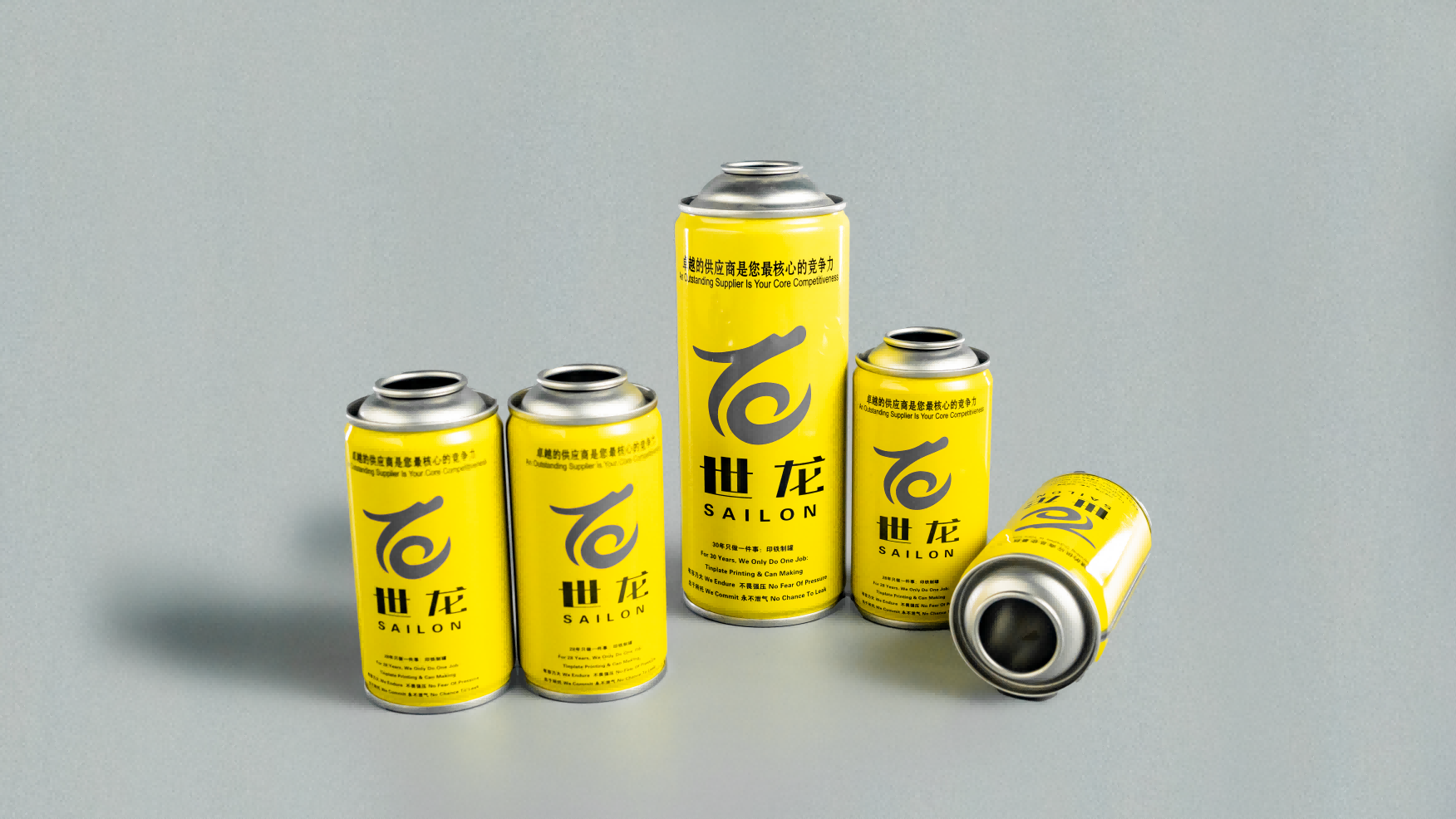
Selecting a certified packaging supplier ensures consistent quality across every batch. Foshan Sailon Tinplate Printing & Can Making Co., Ltd. operates 8 automated production lines equipped with real-time optical vision inspection systems to supply high-precision Aerosol Tin Cans. With complete batch traceability, ISO-certified quality management, and strict final audit protocols, Sailon delivers reliable containers for global brands. Visit sailon-can.com to download quality standards or arrange a factory audit with our technical team.