





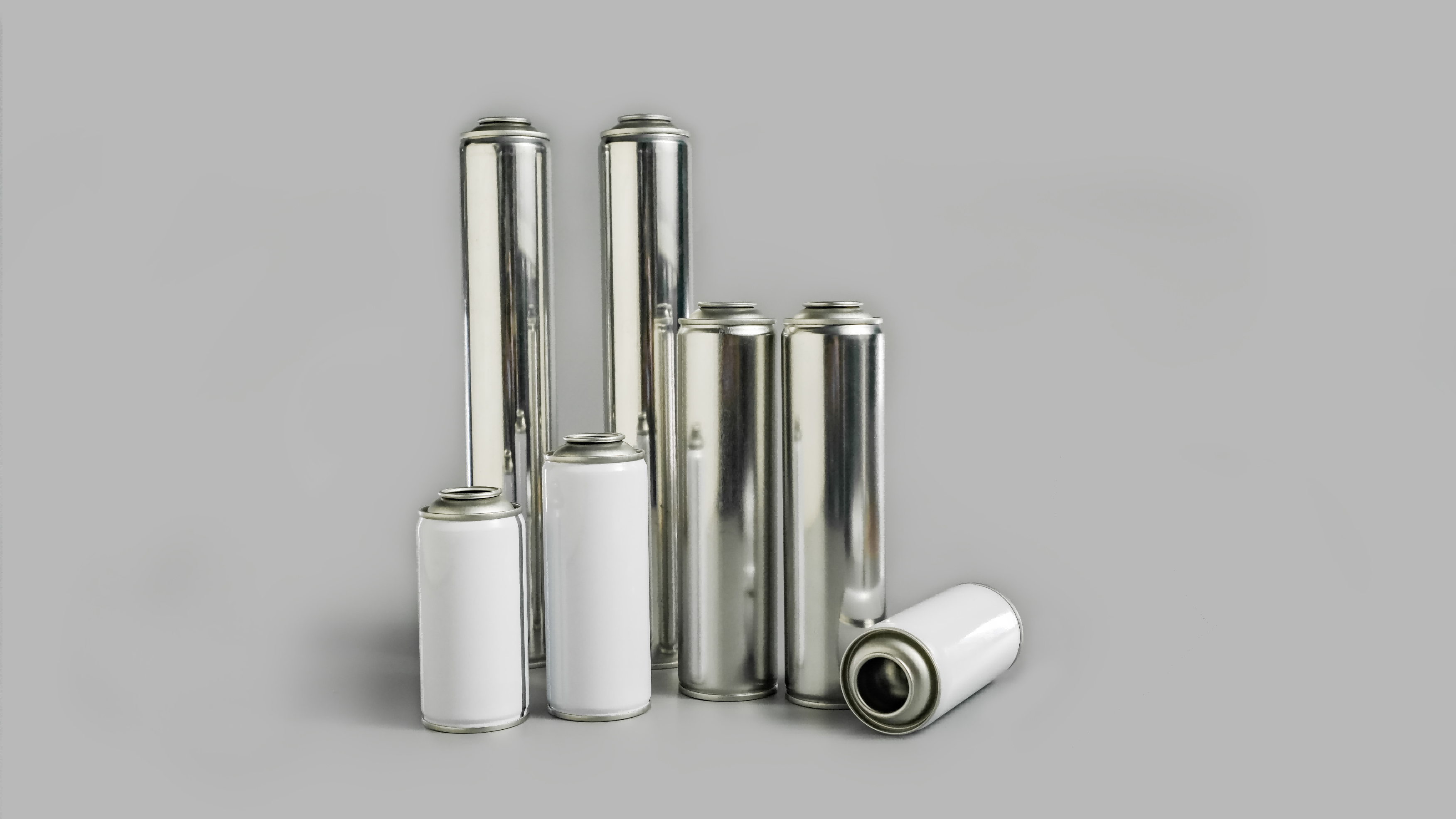

Step-by-Step Guide to Sizing Aerosol Tin Cans for Mass-Market Insecticides
As a dedicated Aerosol Tin Can manufacturer working closely with insecticide brands worldwide, the SAILON team understands your core dilemmas during product development. While marketing teams always push for eye-catching, high-capacity designs that stand out on retail shelves, production and procurement teams are constantly worried about filling line compatibility, safety headspace margins, and ocean freight container optimization.
This guide skips the boring, generic textbook theory. Instead, it delivers actionable, practical advice designed to help you save costs, avoid costly design pitfalls, and dominate the retail shelf using the right Aerosol Tin Can specifications.
Introduction: The Hidden Commercial Trade-Offs in Insecticide Can Sizing
Household insecticide Spray Cans represent one of the highest-volume, highest-repeat-purchase categories in fast-moving consumer goods. However, designing a winning product goes far beyond the chemical formula alone; the physical container—the Aerosol Tin Can—dictates your ultimate profit margins.
A balanced design strategy must satisfy four critical stakeholders simultaneously:
-
Consumers: Is it comfortable for single-handed gripping? Does spraying feel effortless? Does it project high quality?
-
Retail Channels: Does it fit standard supermarket shelf slots and facings? Is the visual impact strong enough?
-
Filling Plants: Can it run seamlessly on high-speed filling lines without frequent tipping or jamming?
-
Logistics & Supply Chain: Does it maximize container loading efficiency to lower per-unit ocean freight costs?
Step 1: Defining Liquid Formula & Fill Ratio
A fatal mistake often made by new brand owners is treating a can's nominal brimful capacity as the actual usable liquid volume. In aerosol manufacturing, this is an absolute red line.
Because aerosol cans are pressurized containers, filling a 100% mixture of liquid insecticide and liquefied petroleum gas propellants is strictly prohibited. You must always account for gas expansion.
Industry-standard safety protocols dictate reserving 15% - 20% of the total volume as a gas expansion headspace. The calculation formula is:
Net Content + Propellant Volume + Headspace (15%-20%) = Overflow Capacity
Ignoring this rule to chase a larger paper volume creates extreme internal pressures during high-temperature transport or direct sunlight exposure, resulting in bottom-dome distortion or catastrophic bursting risks.
Step 2: Selecting the Right Straight-Wall Diameter
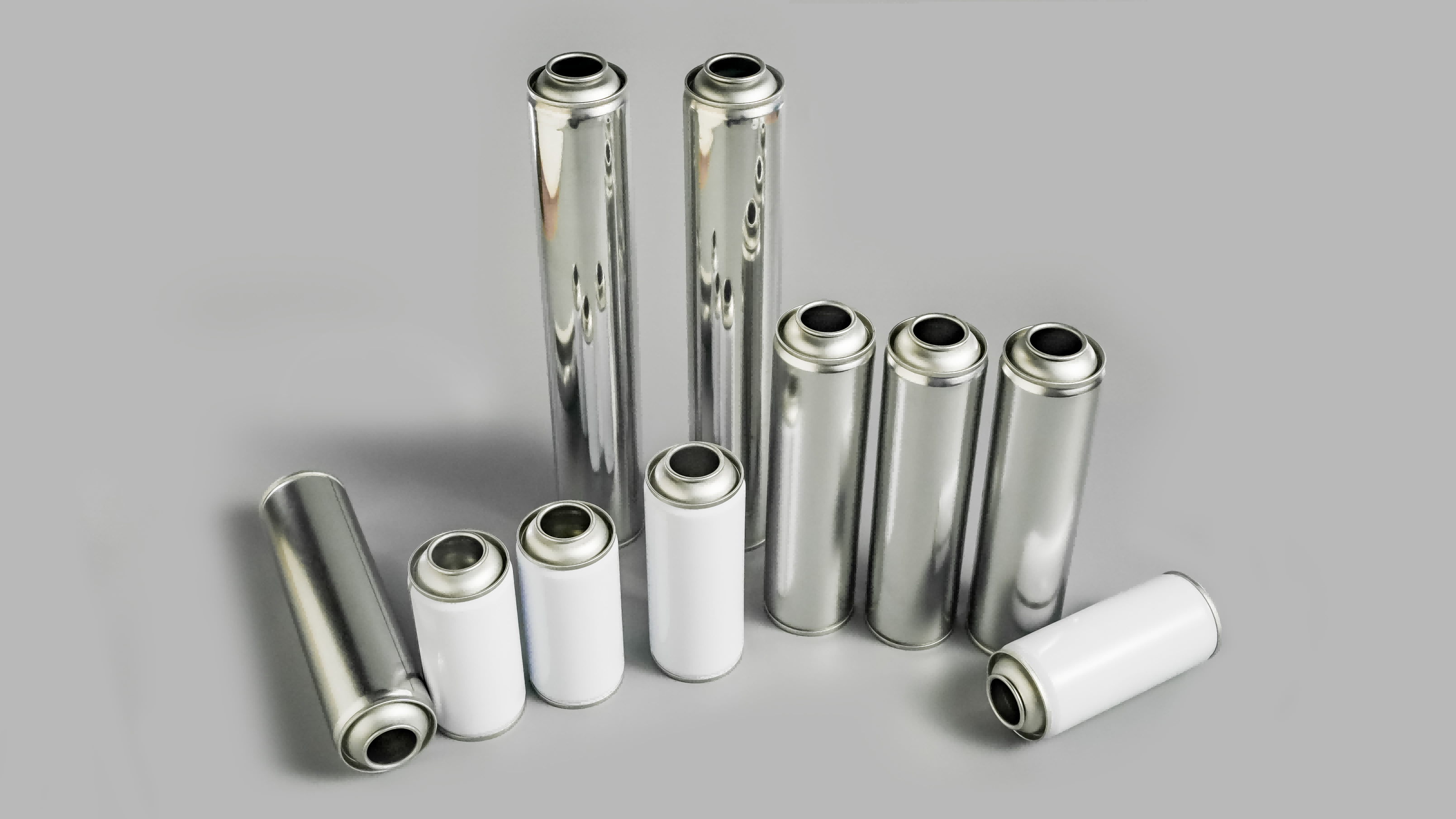
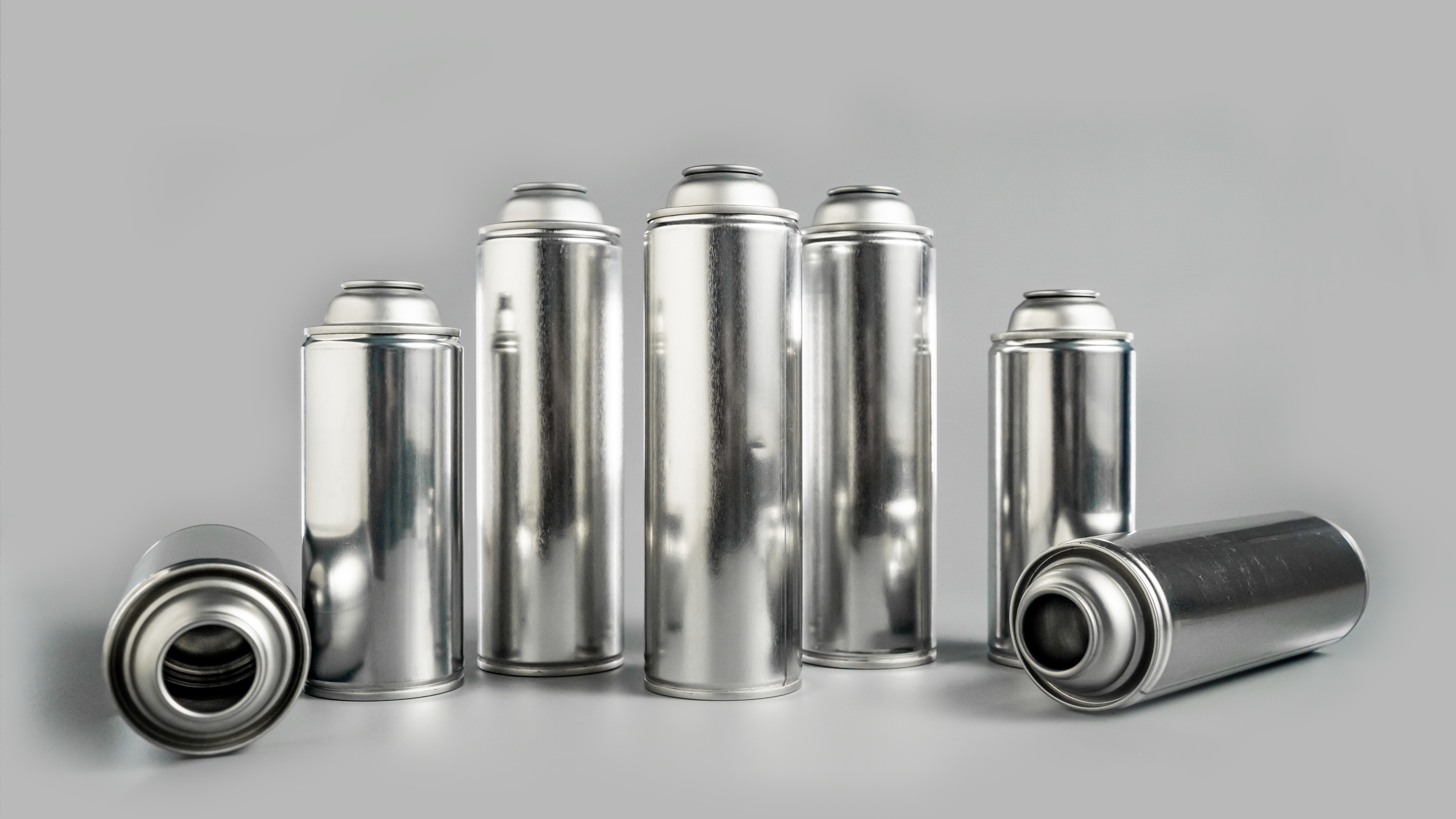
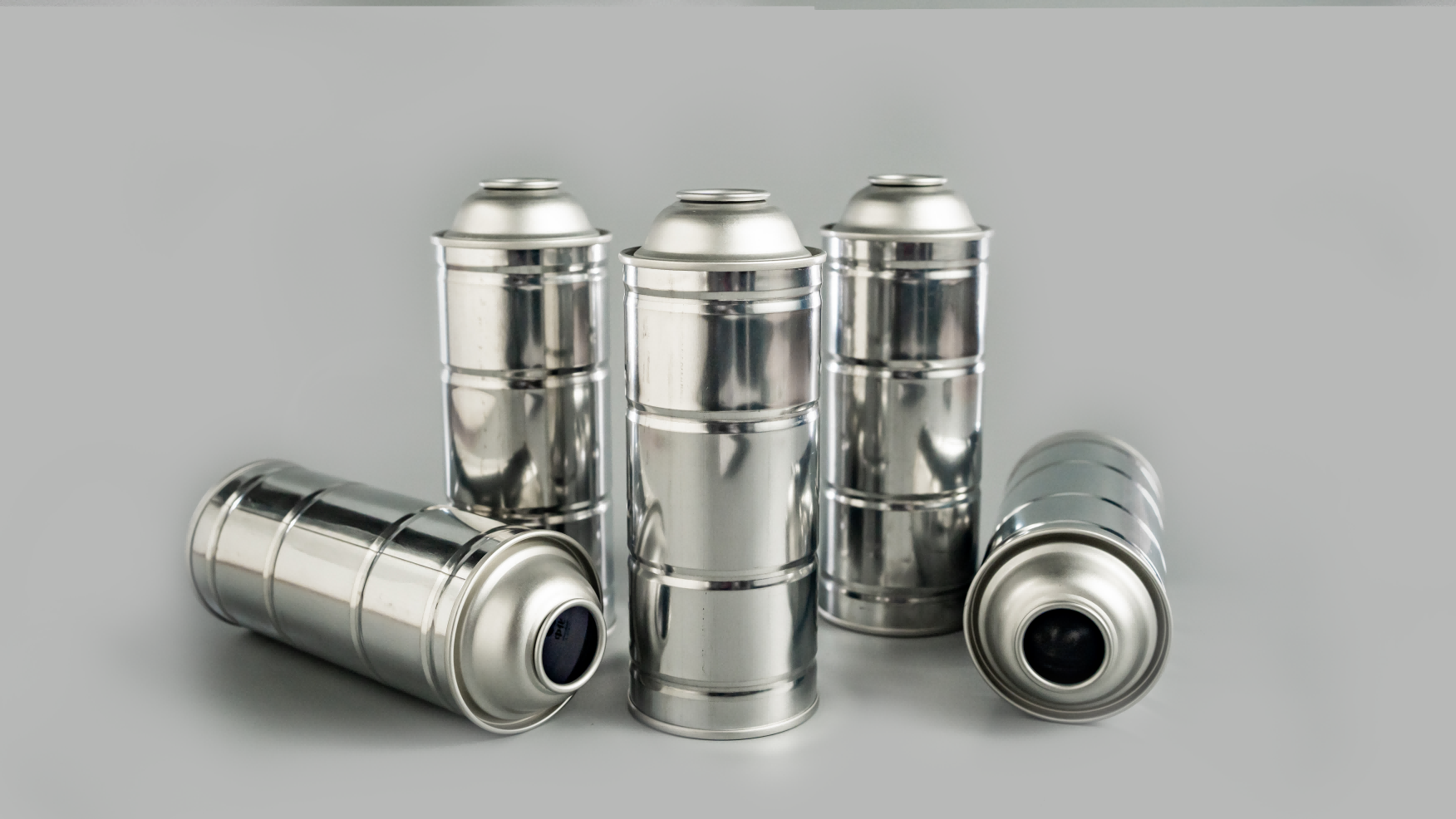
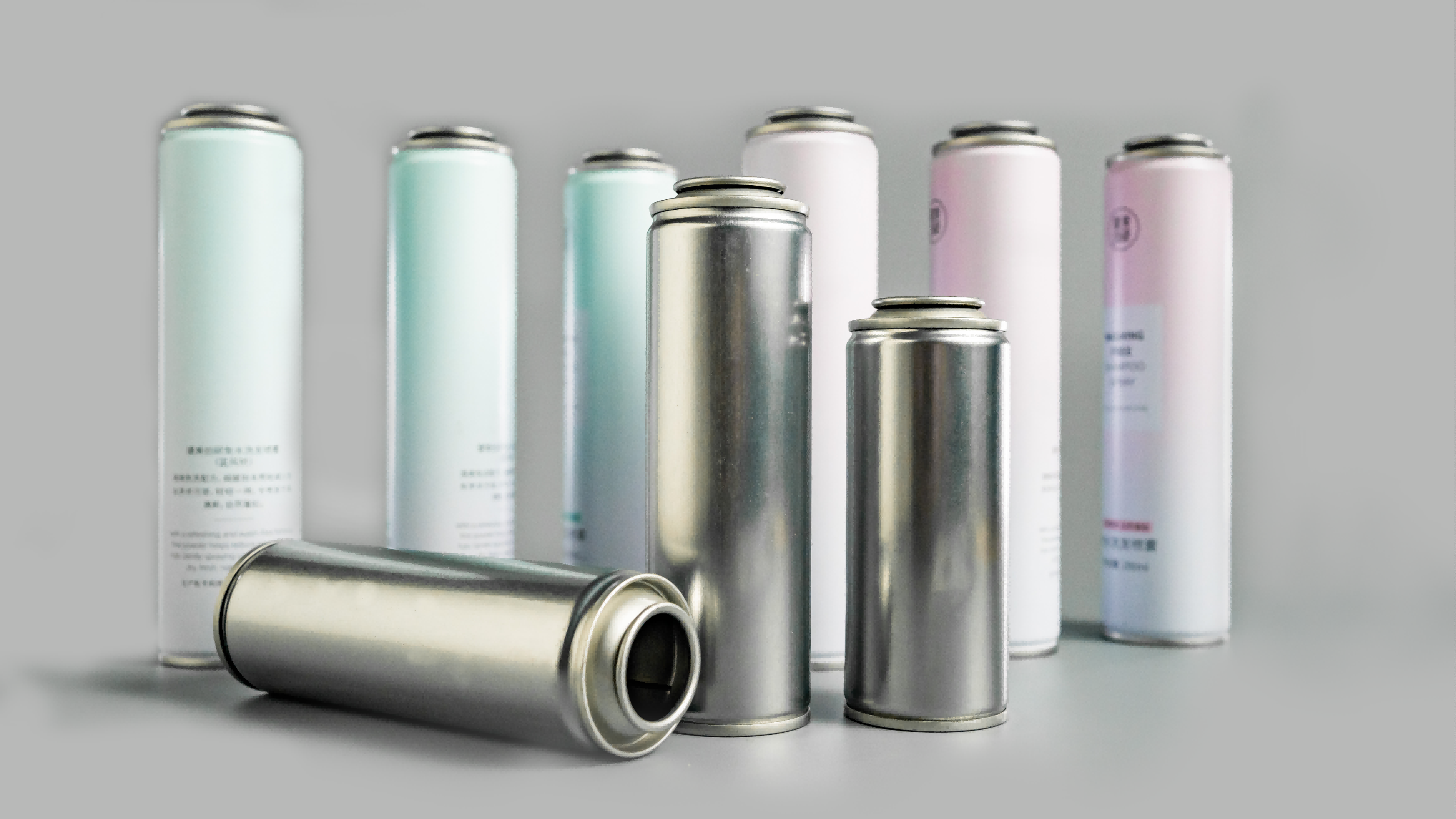
In the aerosol supply chain, diameter is the genetic code that dictates tooling, chuck compatibility, and filling line adaptability. For insecticide applications, the global market relies on three primary diameters:
| Can Diameter | Recommended Net Fill | Primary Application & Market Positioning | Consumer Ergonomic Evaluation |
| 45mm Diameter | 150ml - 250ml | Portable mosquito sprays, car/outdoor insect repellents, travel kits | Exceptionally portable and easy to grip with one hand, though longevity for large-area spraying is limited. |
| 52mm Diameter | 300ml - 400ml | Global Gold Standard Size for standard household and automotive insecticide cans | The ultimate sweet spot for hand comfort, perfectly matching over 90% of universal overcaps and 1-inch valves worldwide. |
| 65mm Diameter | 600ml - 750ml | Large-capacity family size, commercial and agricultural heavy-duty pest control sprays | High cost-effectiveness with massive coverage per spray, though users with smaller hands may find it harder to grasp. |
Step 3: Aligning Height with Filling Line Specifications
Once the diameter is locked, adjusting the can height determines the final net fill volume.
Many brands blindly demand custom, non-standard heights for their Aerosol Tin Can packaging to achieve unique net weights, only to face severe operational bottlenecks at contract packaging facilities:
-
Excessively Tall Cans: On high-speed lines running hundreds of cans per minute, a high center of gravity drastically increases the risk of domino-effect tipping and frequent line stoppages.
-
Excessively Short Cans: While structurally stable, they lack vertical shelf presence and risk getting lost among competitor products on retail shelves.
SAILON Recommendation: Always consult our engineering team to cross-reference your proposed height with existing tooling profiles and conveyor guide-rail clearances before finalizing your mold.
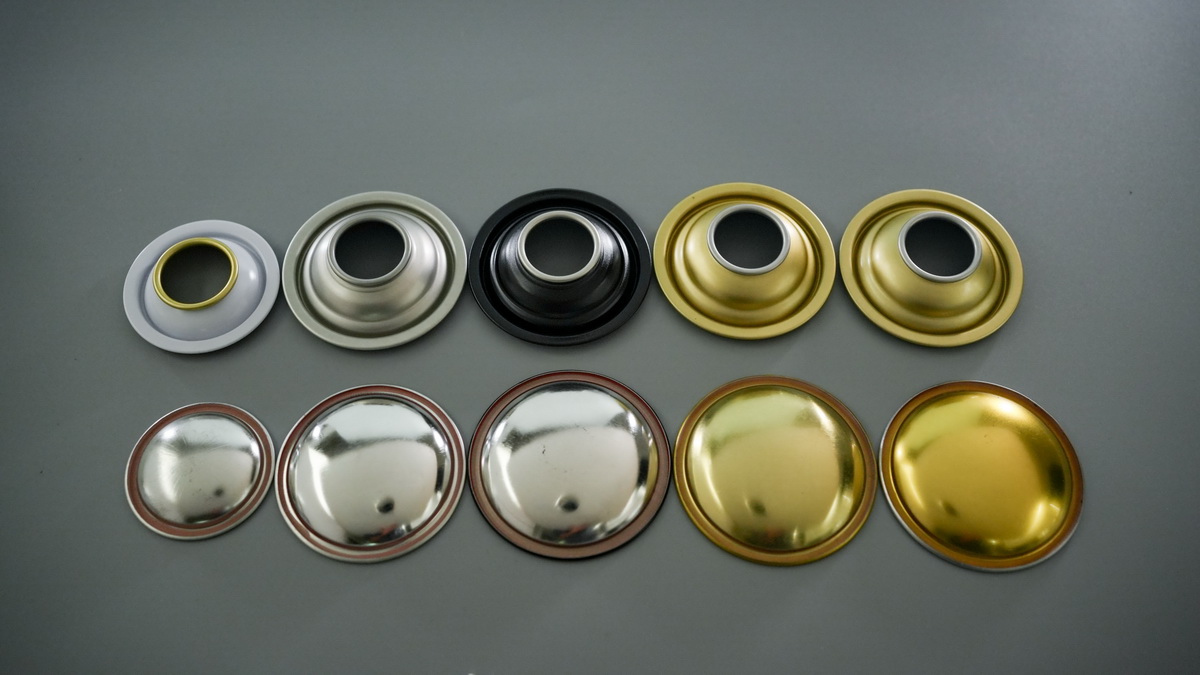
Step 4: Matching Caps and Valves
Unlike air fresheners or hairsprays, household insecticides demand aggressive spray performance and specific atomization characteristics.
-
Insecticide-Specific Valves: Must utilize high discharge rate valves paired with targeted spray nozzles to ensure rapid active ingredient fallout and instant knockdown power against crawling or flying pests.
-
Actuator and Crimp Ring Tolerance: Outer diameter tolerances are crucial. If the overcap fits too loosely over the can crimp, it risks popping off during transit and giving consumers a cheap feel; if it fits too tightly, it causes assembly line jams.
Step 5: Optimizing Container Shipping and Palletization
In an era of volatile ocean freight rates, maximizing container cubic utilization is the ultimate competitive advantage.
Take our best-selling 52mm diameter insecticide can as a practical example. Comparing a 52x195mm specification against a 52x200mm specification: trimming just 5mm off the height allows an extra layer of cartons to fit inside a 40HQ container, boosting total container load capacity by nearly 10%. This small adjustment translates directly into double-digit freight savings per unit, instantly releasing margin.
Frequently Asked Questions (FAQ)
Q1: Why must headspace be strictly controlled when filling insecticide aerosol cans?
Aerosol cans contain liquefied propellants whose internal pressure rises significantly when exposed to heat. Failing to leave a 15% to 20% safety headspace can cause structural deformation, container rupture, and severe violations of international dangerous goods transport regulations.
Q2: Can SAILON manufacture custom non-standard sizes for our Aerosol Tin Can project?
Yes, absolutely. As an integrated source manufacturer, SAILON possesses complete in-house tooling development capabilities. We recommend scheduling a joint engineering review before mold creation to ensure seamless compatibility with your filling lines and shipping pallet grids.
Q3: How does adjusting can height optimize shipping logistics?
As outlined in step five, micro-adjusting the height (e.g., reducing it from 200mm to 195mm) alters carton stacking configurations on pallets, eliminating wasted dead space at the top of the shipping container and maximizing total transport volume.
Ready to launch your next insecticide blockbuster?
Contact the SAILON engineering and sales team today to request free custom Aerosol Tin Can samples, precise dimensional blueprints, and optimized container loading solutions designed to help your brand outpace the global competition.