


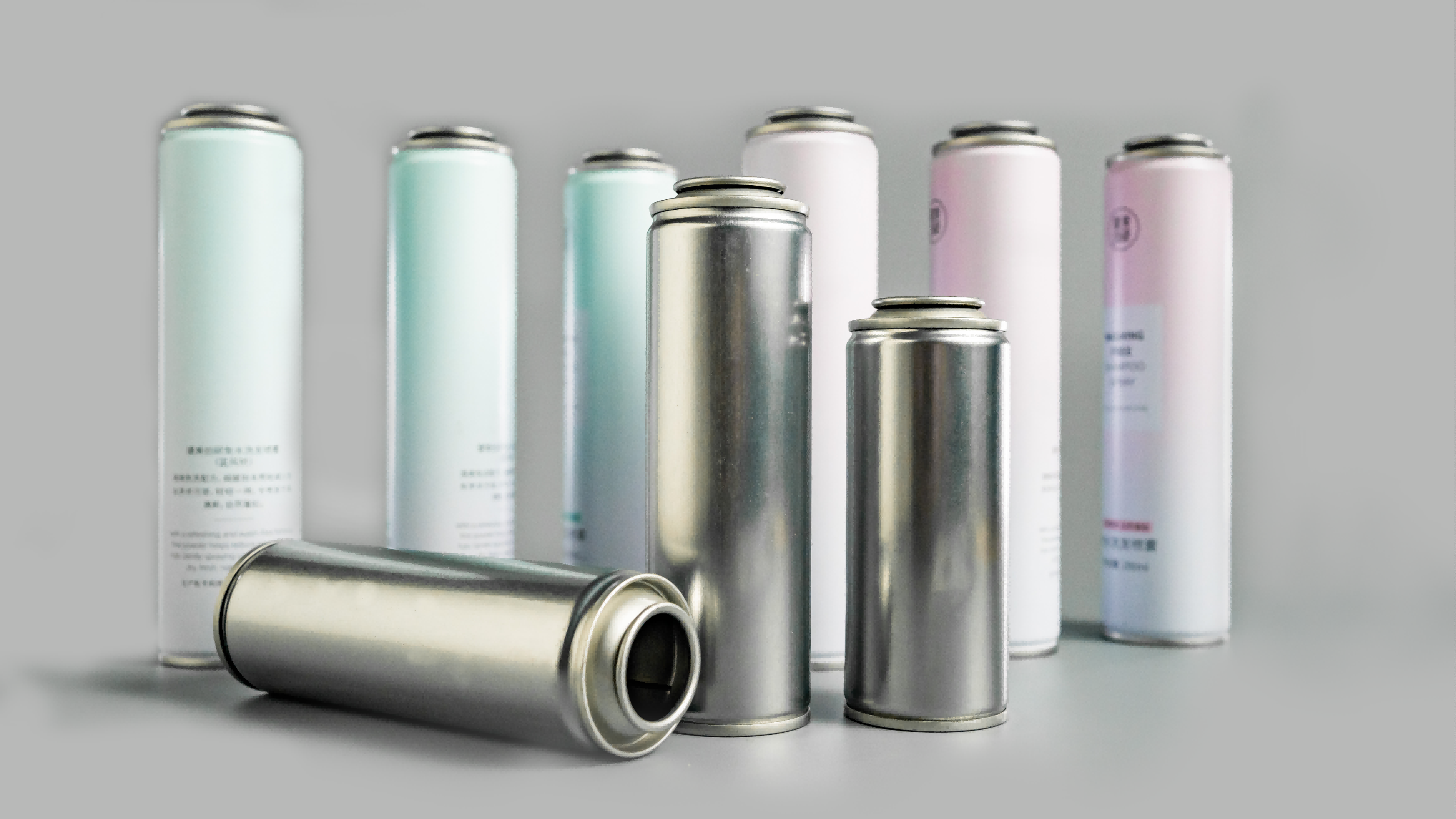
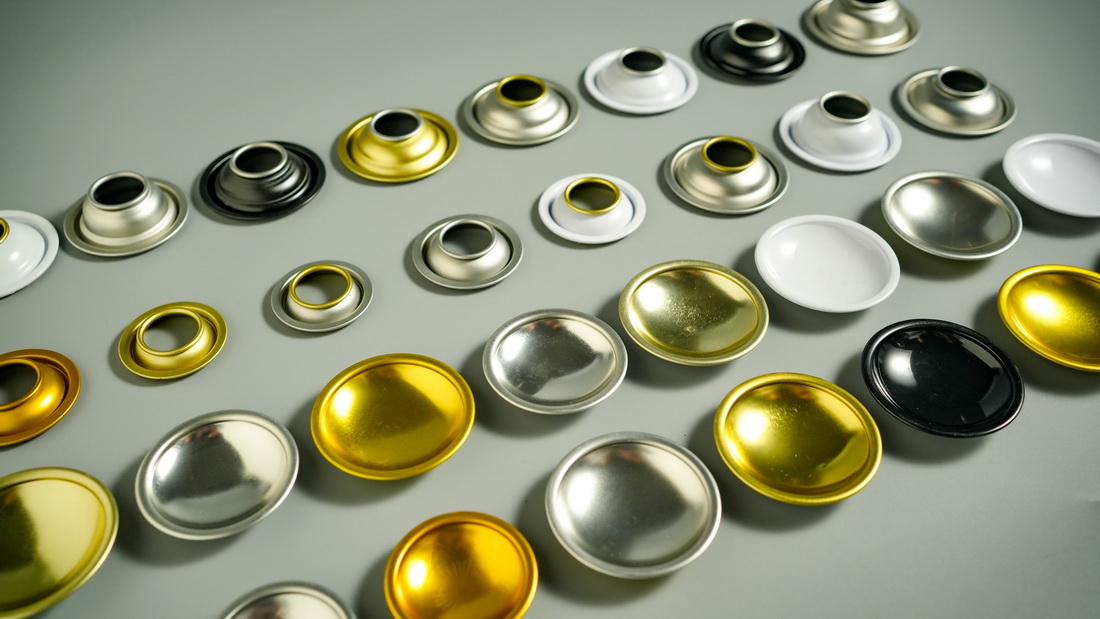
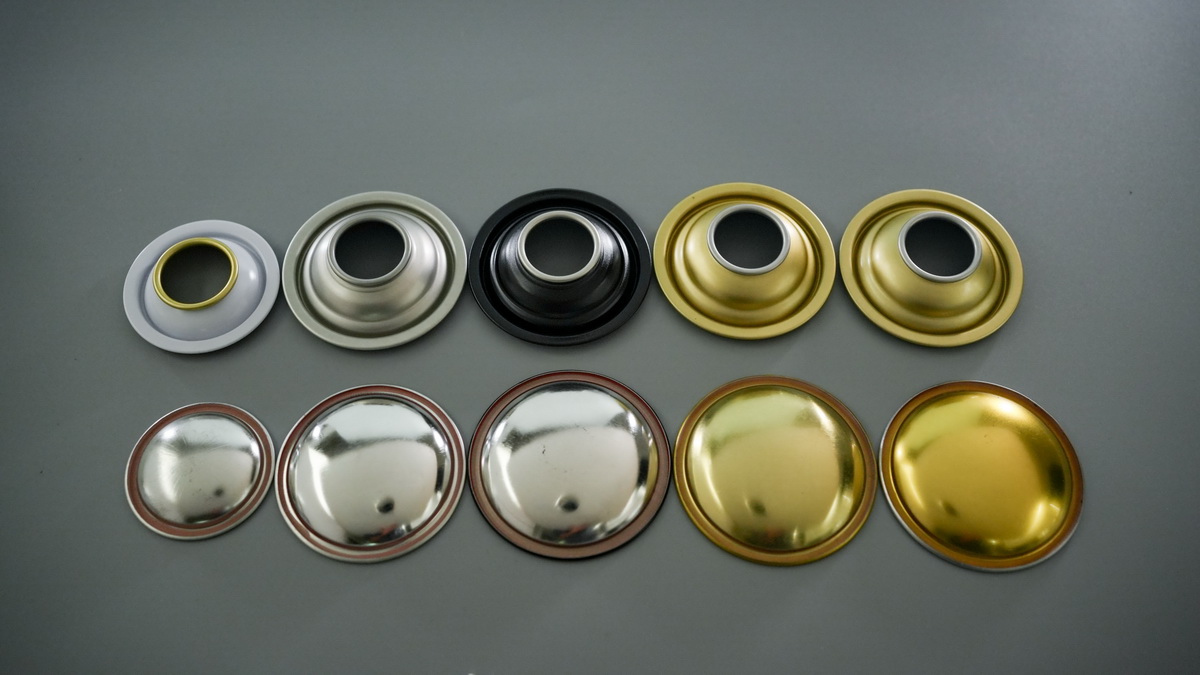
Aerosol Tin Can Printing Finishes: B2B Guide to Glossy, Matt & Metallic Effects
On a crowded retail shelf, packaging has less than two seconds to make an impression. For brand owners and procurement managers, selecting the right aerosol tin can finish is not just an aesthetic choice; it directly impacts brand value, shelf appeal, and conversion rates.
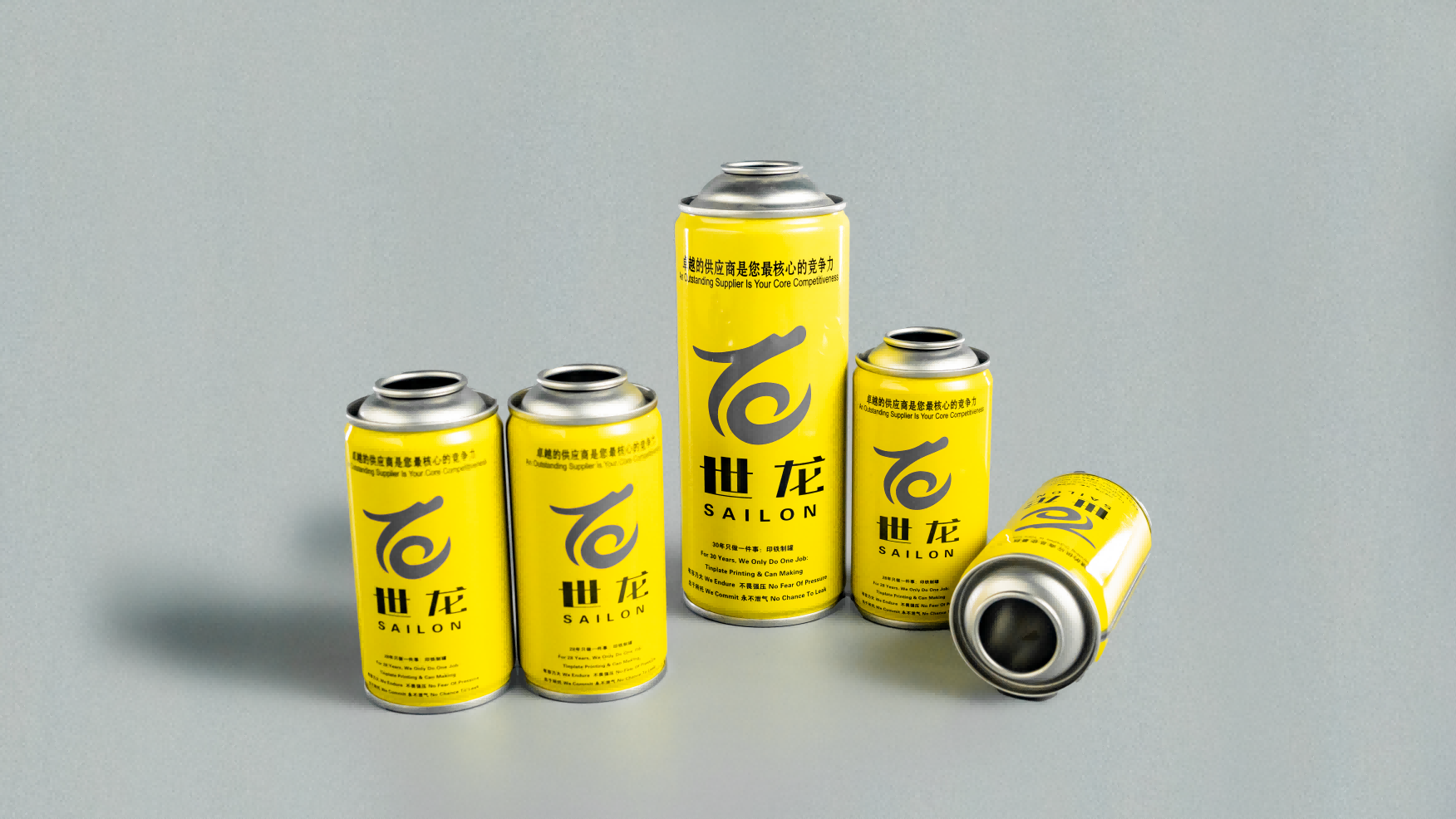
As a specialized Tinplate Aerosol Can manufacturer, SAILON frequently encounters brands losing margins due to improper coating choices, scratch-resistance failures during transit, or costly printing misalignments.
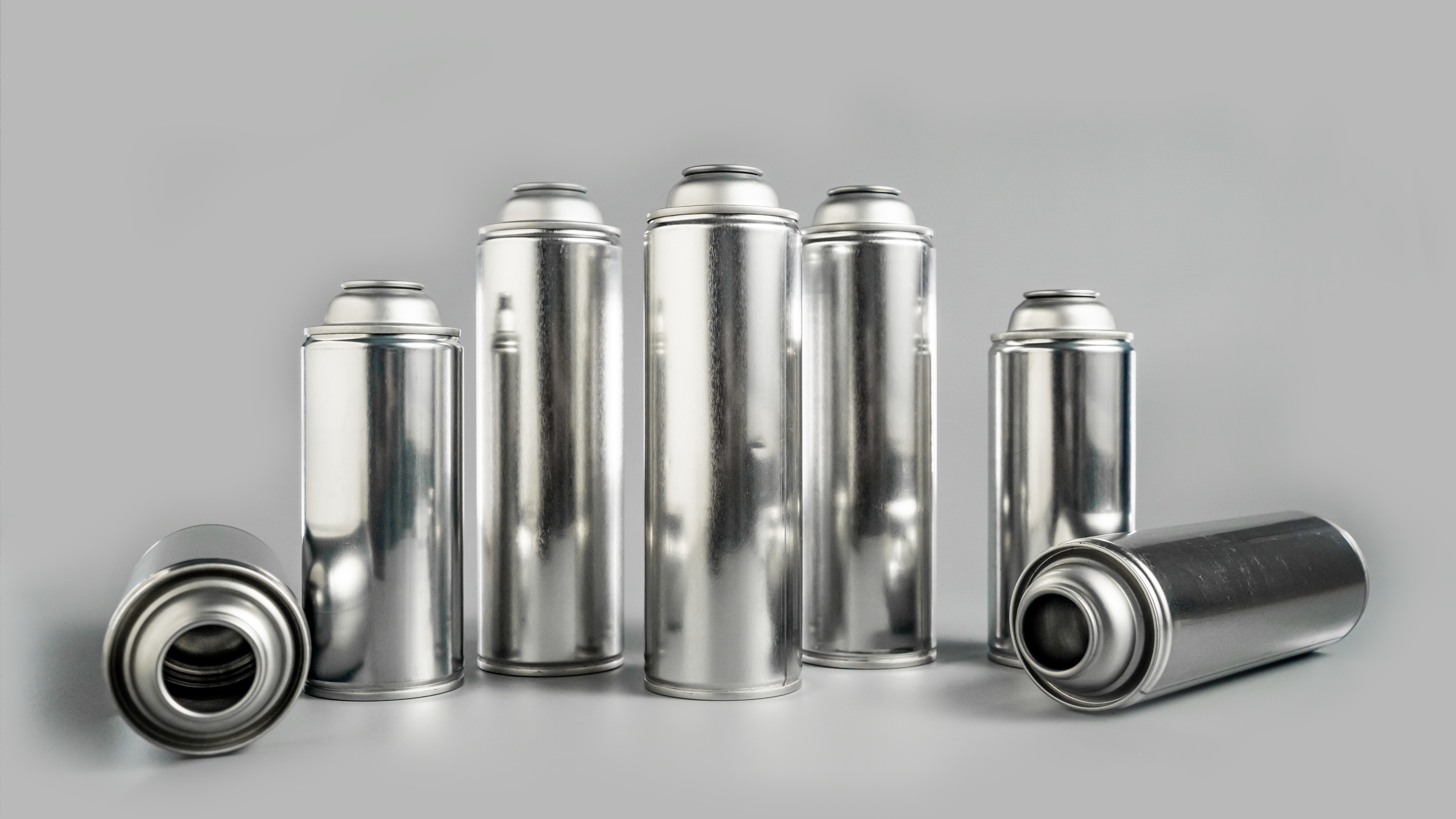
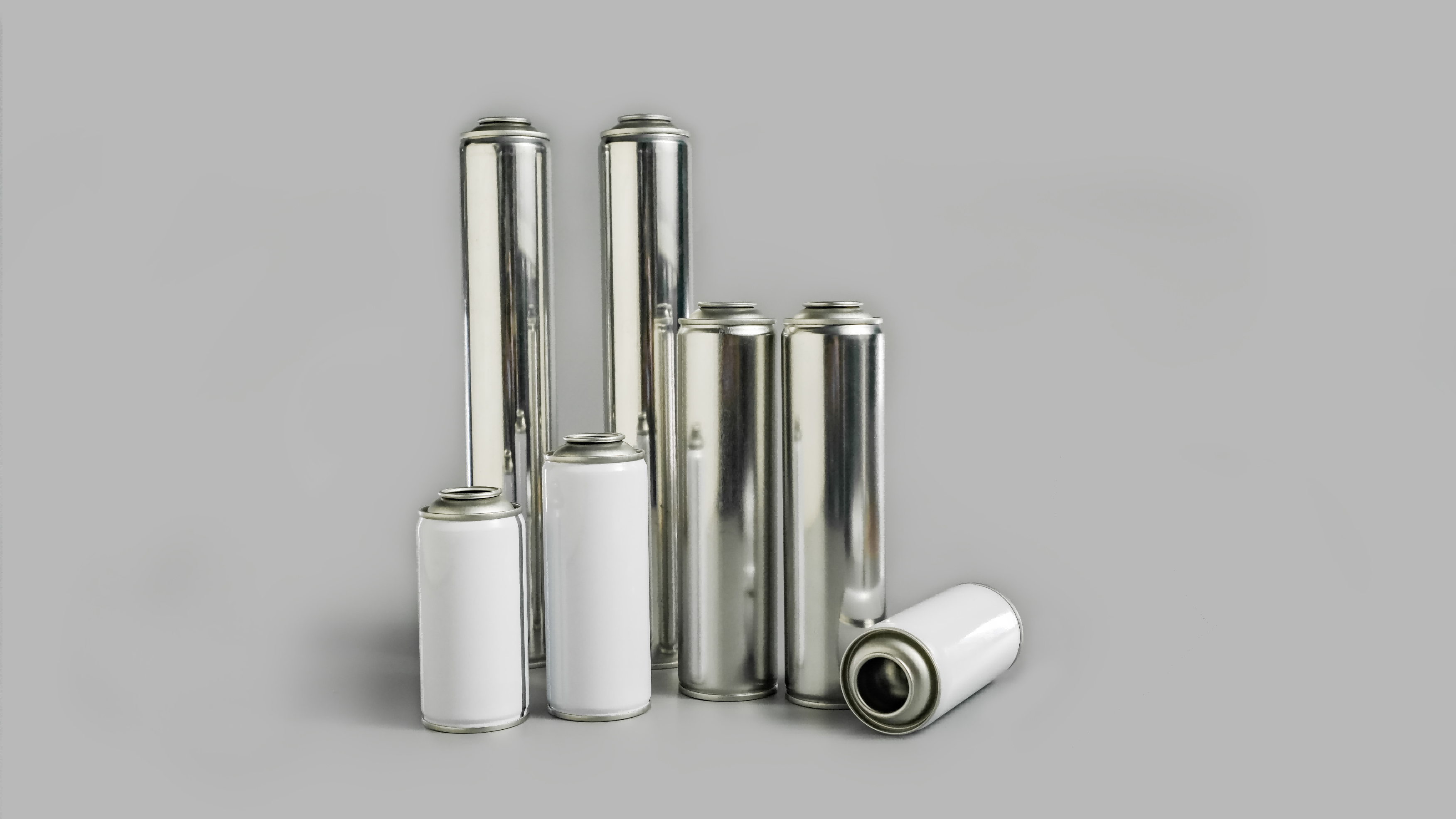
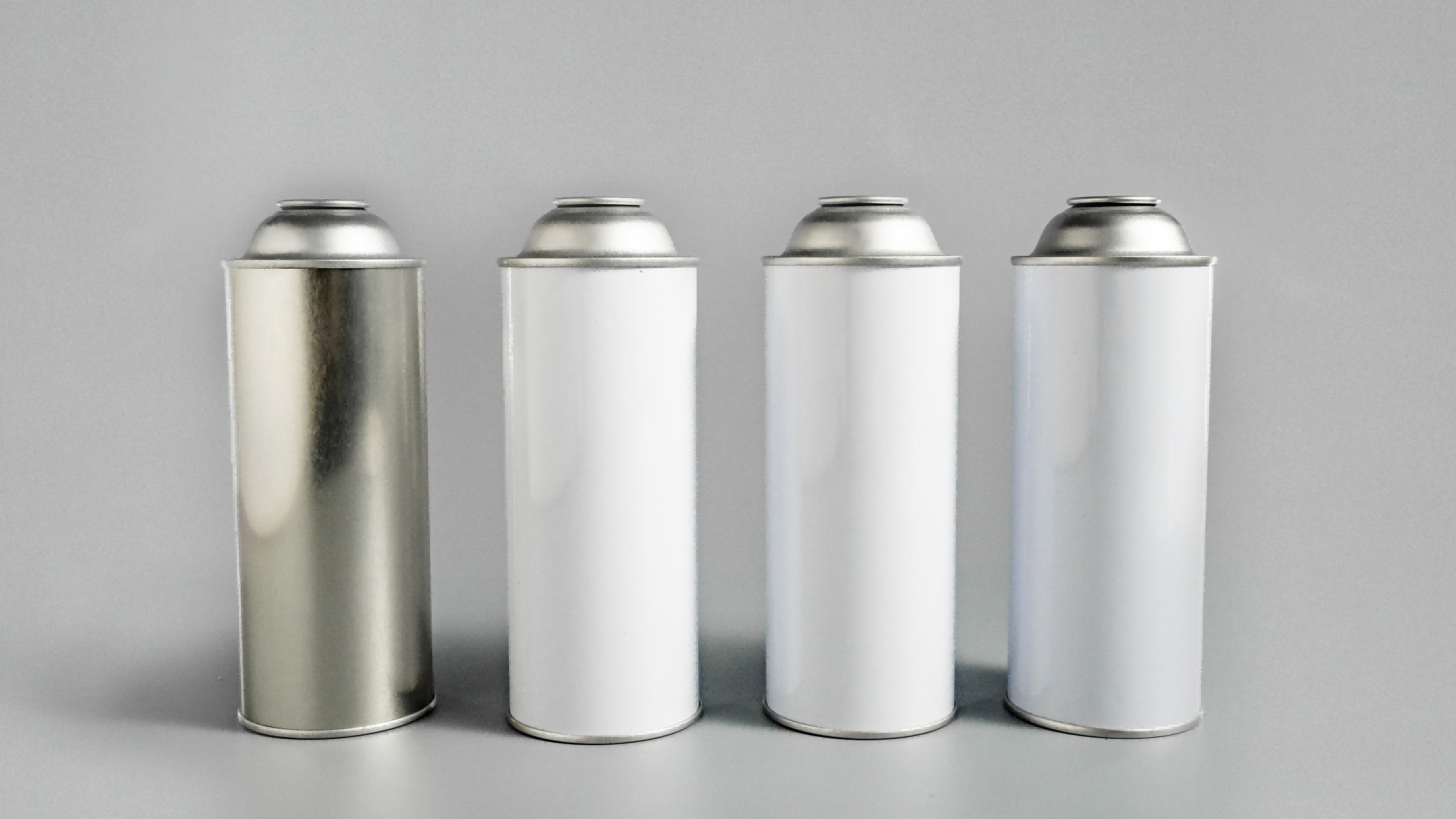
1. Full Glossy Finish: High Saturation & Maximum Durability
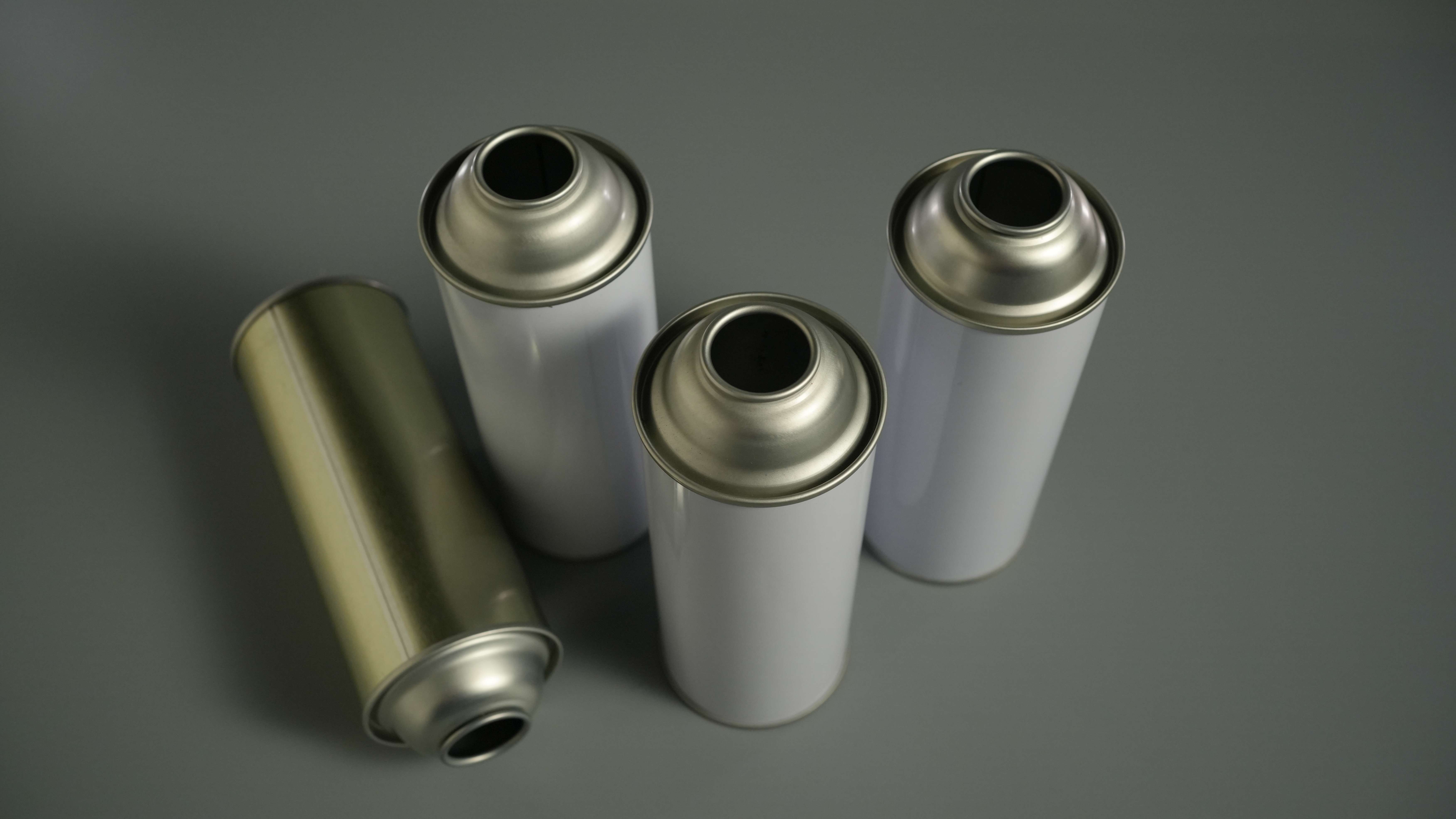
Glossy finishes offer high reflectivity, maximum color saturation, and a polished appearance that makes graphics pop under retail lighting.
The coating is achieved by applying a clear glossy overprint varnish over standard offset-printed tinplate. It provides exceptional abrasion and scuff resistance, easily withstanding the friction of high-speed filling lines and rough logistics at a baseline, cost-effective price.
2. Matt & Satin Finish: Premium Touch & Subtle Elegance
Matt finishes diffuse light to eliminate harsh glare, creating an understated, luxury appearance with a smooth velvet or micro-textured tactile feel.
Achieved using specialized matt varnish formulated with matting agents, these coatings add roughly 3% to 5% to base printing costs and require strict dust-free curing environments. Standard matt coatings are softer and more prone to scratching, making anti-scratch varnish additives essential for surviving transport.
3. Transparent Metallic & Spot Effects: Futuristic Visual Impact
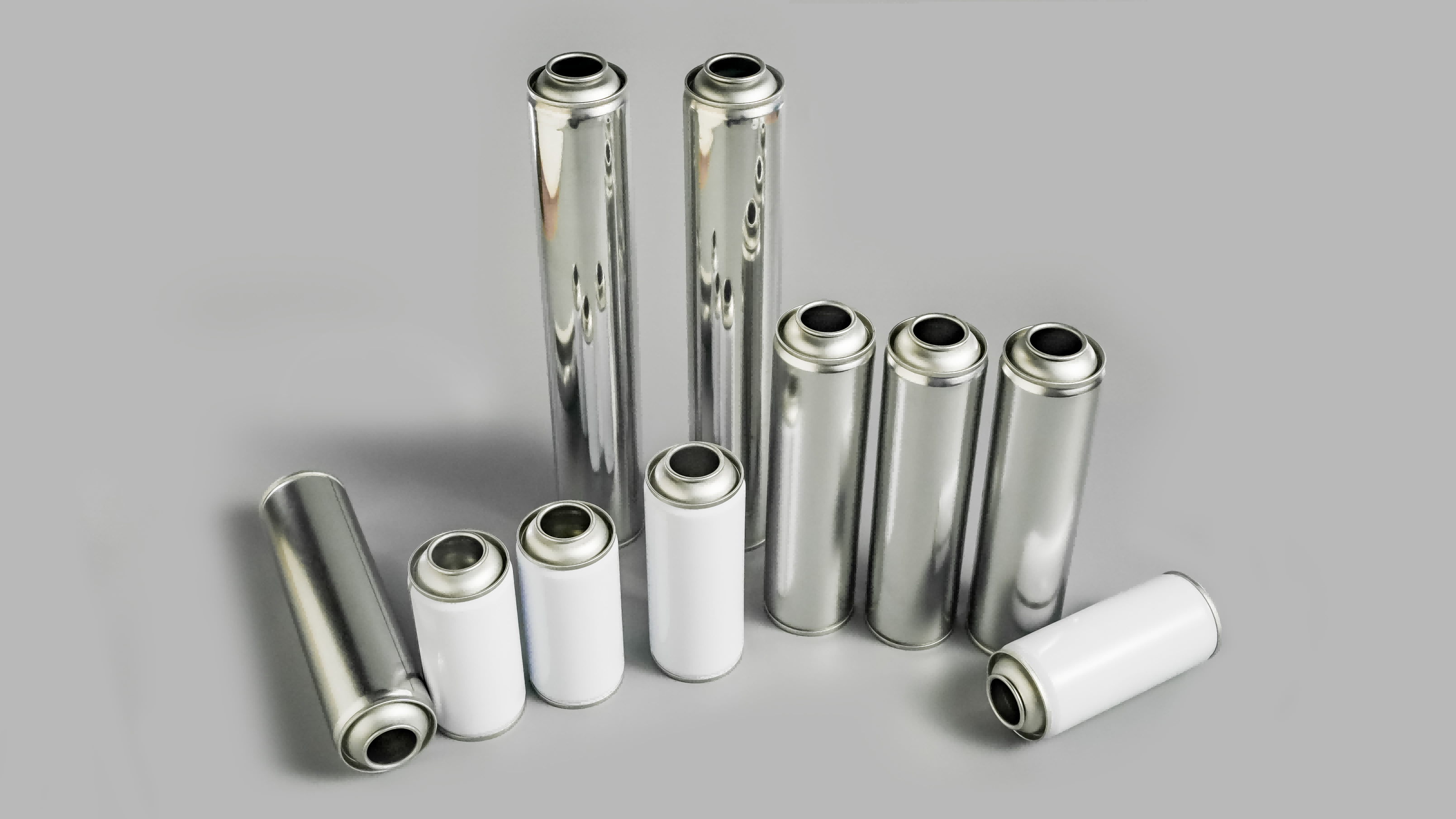
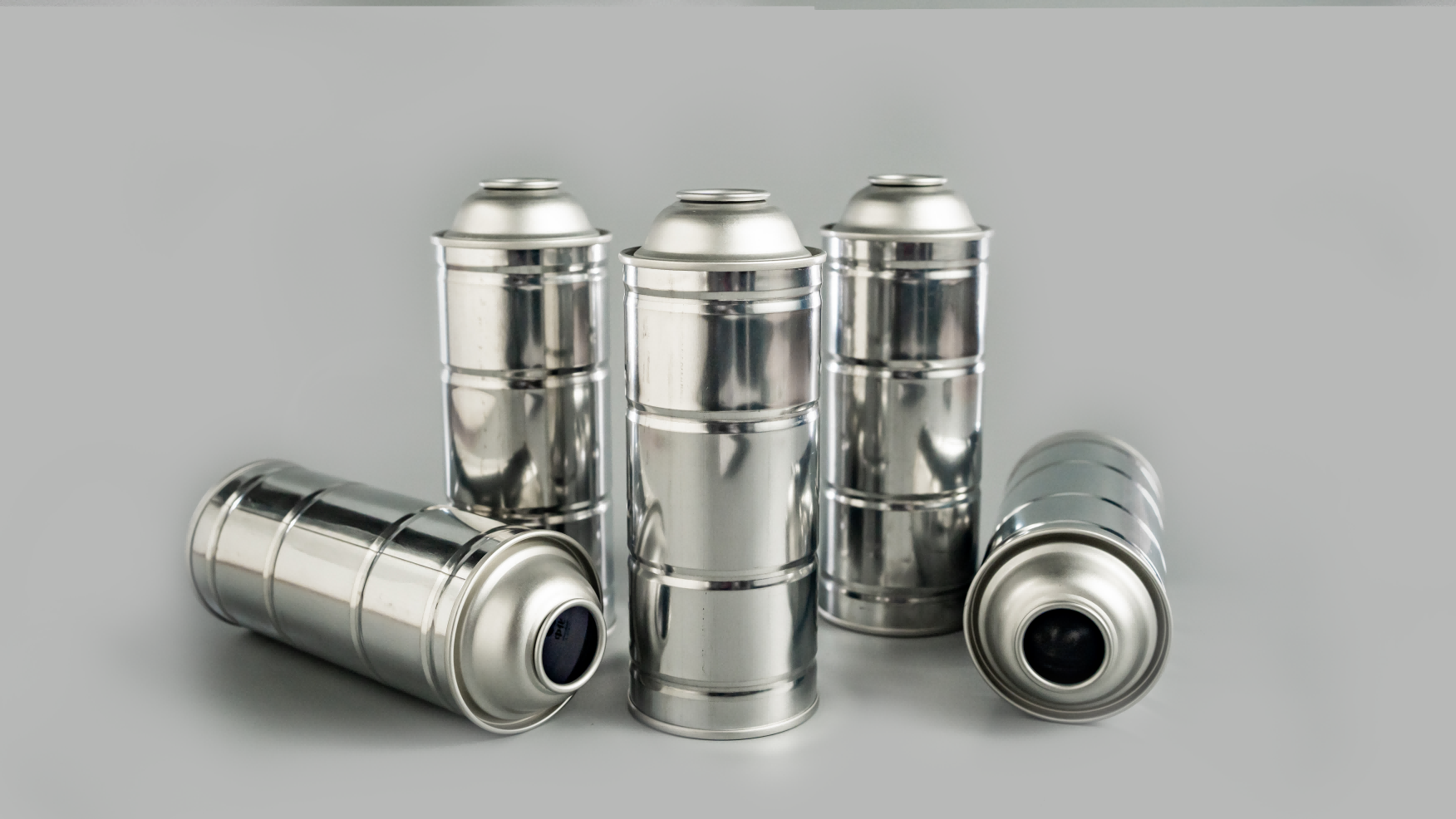
Metallic effects leverage the raw shiny tinplate substrate underneath transparent colored inks to produce stunning, anodized color profiles ideal for limited-edition collectibles and cyberpunk-aesthetic cosmetics.
Controlling the spot white undercoat remains the key technical factor here. Applying a solid white base ensures crisp, high-contrast text and barcodes, while omitting the white base exposes the raw tinplate to create a high-shine metallic transparency.
4. Special Finish Combinations & Tactile Innovations
Combining techniques allows brands to build visual hierarchy without re-engineering artwork. A matt body with a spot glossy logo creates immediate visual focus under store lighting, while tactile friction varnish on industrial cans improves hand grip for users handling spray applications with wet or oily hands.
5. B2B Buyer’s Decision Matrix
| Finish Type | Brand Positioning | Scuff/Scratch Resistance | Relative Cost Impact | Best-Fit Aerosol Applications |
| Full Glossy | Mass Market / Industrial | Highest | Baseline (Lowest) | Insecticides, Degreasers, Anti-rust Sprays |
| Full Matt | Premium / Modern Minimalist | Medium (Requires anti-scratch additive) | +3% to +5% | Hairsprays, Sunscreen, Luxury Room Sprays |
| Metallic (Transparent) | Tech / Trendy / Limited Edition | High | +5% to +8% | Performance Auto Sprays, Boutique Cosmetics |
| Matt + Spot Gloss | High-End / Custom Designer | Medium-High | +8% to +12% | Flagship SKUs, Executive Gift Sets |
6. Procurement Pitfall Avoidance Guide
-
White plate misalignment: Shifts during printing can cause raw silver tinplate to bleed around text, making small fonts unreadable. Mandate strict registration tolerance tests before bulk printing.
-
Can-to-can transit friction: Vibration can cause matt cans to rub together and leave scuff marks. Ensure suppliers use UV-cured or anti-friction modified varnishes and specify full-divider inner cartons.
-
Curing temperature control: Incorrect oven baking temperatures cause varnish yellowing or paint peeling during stress testing. Partner with ISO-certified manufacturers who monitor inline thermal profiles.
7. Frequently Asked Questions
-
What is the MOQ for custom Aerosol Tin can printing?
Standard custom lithography printing at SAILON typically starts between 30,000 and 50,000 cans per batch, depending on dimensions and layout. -
Can we review physical proof cans before mass production? Yes, flat sheet proofing or 3D sample production is highly recommended, especially for spot white undercoats or matt textures.
-
Does a matt finish affect pressure resistance?
No. Pressure resistance relies entirely on tinplate thickness, dome/bottom design, and seam welding quality.