


0102030405
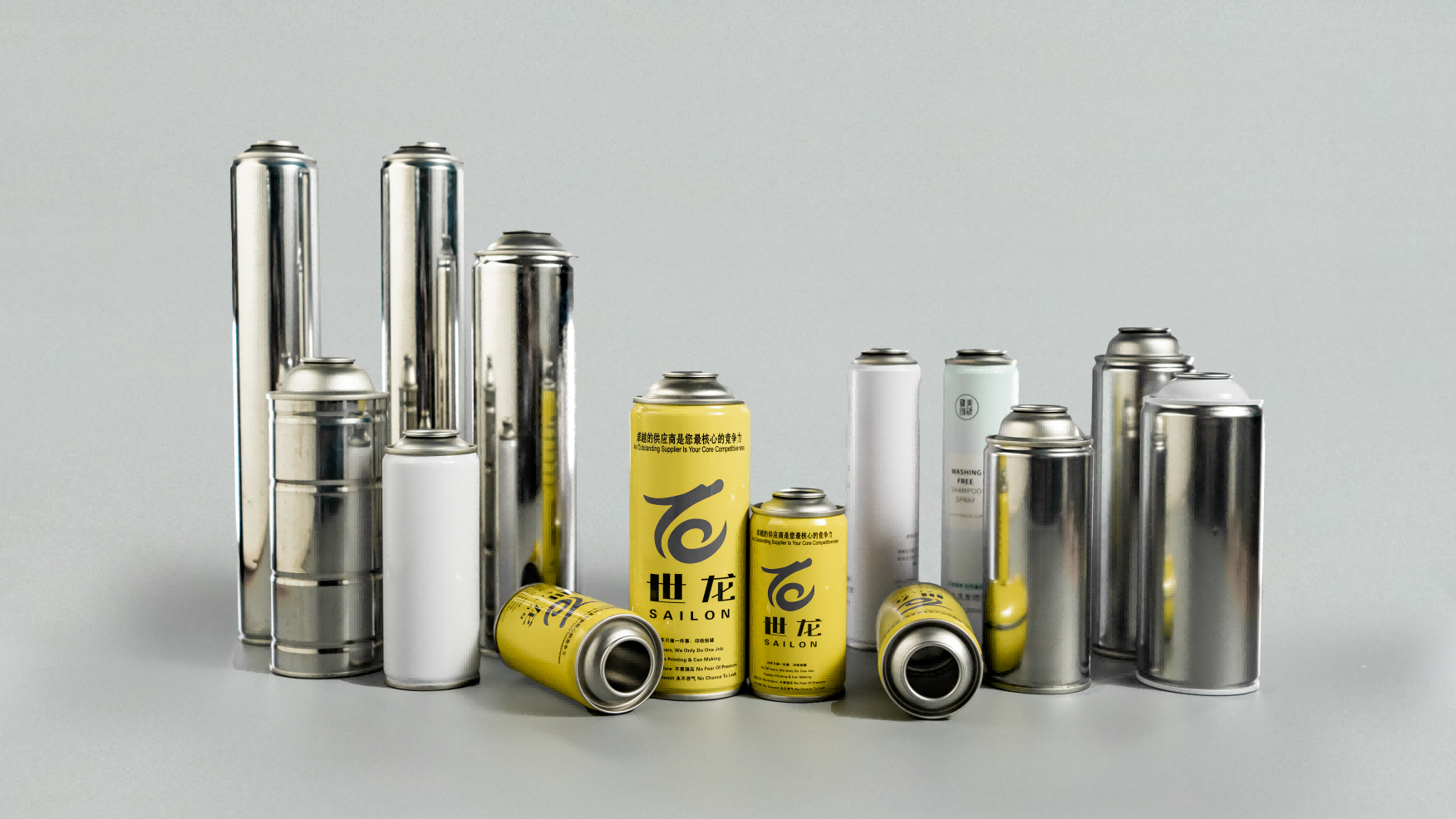
Tinplate Printing Defects: Why Colour Drift, Misregistration and Sparking Cost More Than a Reprint
2026-11-12
The carton opens and the red is orange.
Not badly orange. Just enough that the buyer's marketing manager, who has seen this artwork on a screen for four months, puts the can down and says "that's not our red." Three thousand cans are now a question rather t...
view
detail
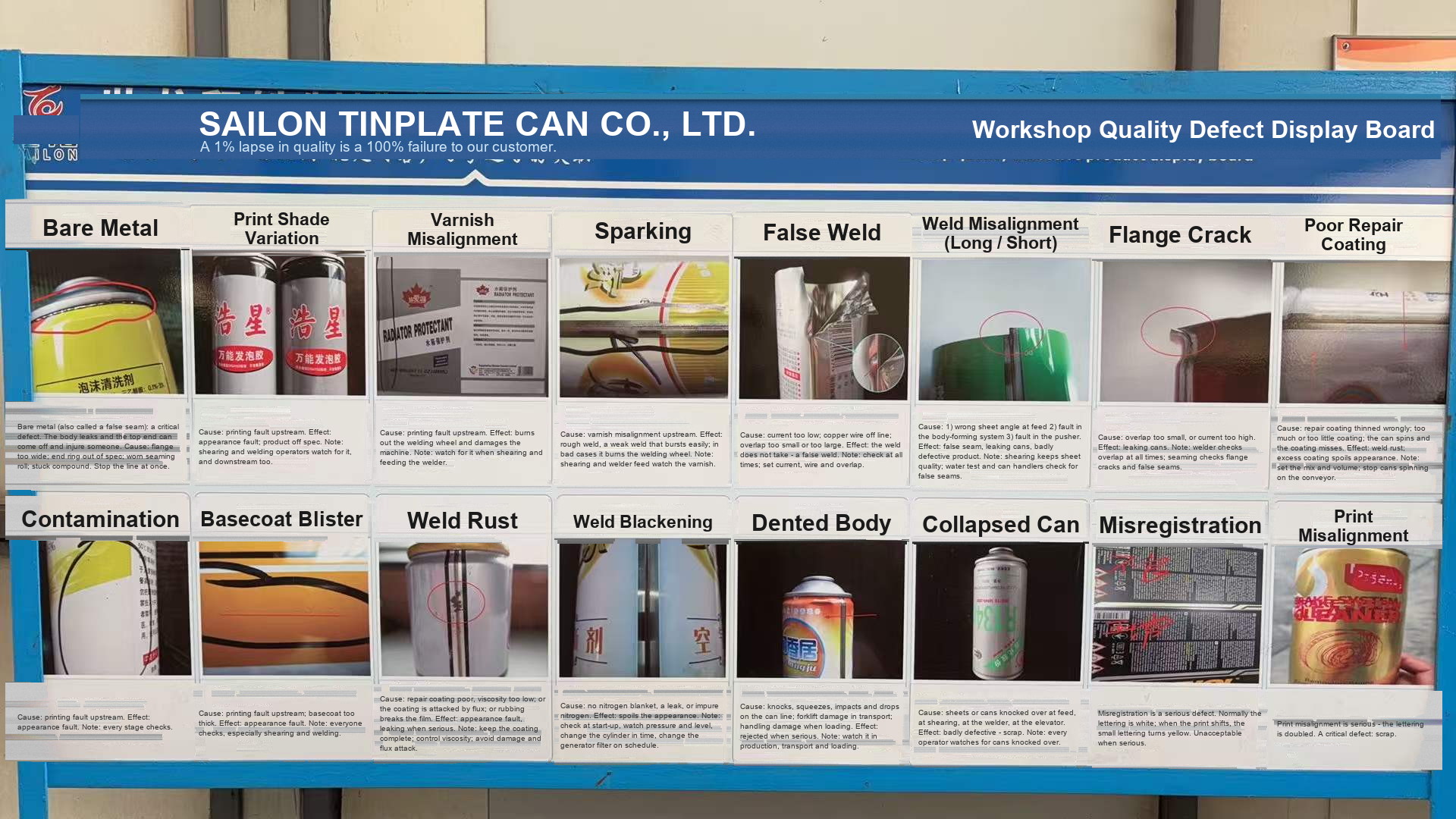
Aerosol Tin Can Body and Weld Defects: A Nine-Point Photo Guide for Buyers
2026-11-09
A rejected can is rarely rejected for something dramatic. Put one on the bench under a lamp and the reason is usually inside the first thirty centimetres of the body: a stripe of lacquer that stops two millimetres short, a weld that looks fine until you bend...
view
detail
Printed Tinplate Sheets for Aerosol Cans: A Buyer's Specification Guide (CMYK, Pantone, Lacquer & QC)
2026-11-06
A printed tinplate sheet is a flat, decorated steel sheet that will later be slit, rolled, welded, necked and seamed into an aerosol can body. Buying it well means specifying fourteen things — substrate, gauge, temper, tin coating mass, surface finish,...
view
detail

EU PPWR and Aerosol Tin Cans: The 2026 Compliance Checklist for Importers
2026-11-03
Since 12 August 2026, the EU Packaging and Packaging Waste Regulation (PPWR, Regulation (EU) 2025/40) has applied directly in every member state. If you place a filled aerosol product — or an empty tinplate can sold as packaging — on the EU marke...
view
detail
OEM Aerosol Tin Can Customization Process: From Artwork to Mass Production (Sampling, Proofing, Lead Times)
2026-10-29
Most delays in custom aerosol packaging don't happen on the production line. They happen before production even starts — a vague spec sheet, artwork sent as a low-res screenshot, or a buyer who never asked how long tinplate proofing actually takes.
Af...
view
detail
UN 2Q Certification & US DOT for Aerosol Tin Cans: What Buyers Must Know Before Exporting to the US and EU
2026-10-27
Every year, aerosol shipments are stopped at US and EU ports — not because the product inside failed, but because the empty can outside it was never certified in the first place. For importers, filling plants and brand owners, the difference between a ...
view
detail
Why Do Tinplate Aerosol Can Welds Turn Black and Rust? How Metallographic Analysis Identifies Process Flaws
2026-10-23
1. Weld Issues Are More Than Cosmetic — They Are Early Signs of Seal Failure
For quality managers and procurement teams at aerosol brands and contract filling plants, blackening and rusting on tinplate aerosol can side seams is a common yet costly pro...
view
detail
Why Do Dashboard Wax and Tire Foam Cleaners Require Stricter Tinplate Aerosol Can Bottom Specifications Than Regular Insecticides?
2026-10-19
For automotive care brands and supply chain procurement teams, the bottom structure of tinplate aerosol cans is a frequently overlooked yet critical component that directly determines product safety, shelf life and brand reputation. Automotive chemical produ...
view
detail
65mm vs 60mm: How Choosing the Wrong Aerosol Can Diameter Ruins Your Product (And How to Get It Right)
2026-10-15
In aerosol product development and mass production, choosing between a 65mm aerosol can and a 60mm aerosol can is one of the most critical decisions for procurement managers and packaging engineers. While a 5mm difference in outer diameter may seem minimal, ...
view
detail
Why Are Insecticides and Strong Solvents Eating Through Your Aerosol Cans? The Ultimate Zero-Leakage Anti-Corrosion Selection Guide
2026-10-12
For aerosol brand owners, OEM contract manufacturers, and global procurement managers, unexpected container bulging, leakage, or warehouse incidents caused by aggressive chemicals are a recurring nightmare. Insecticides, brake cleaners, paint strippers, and ...
view
detail