


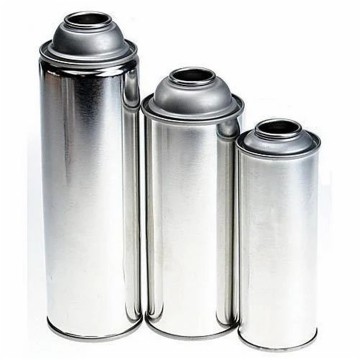
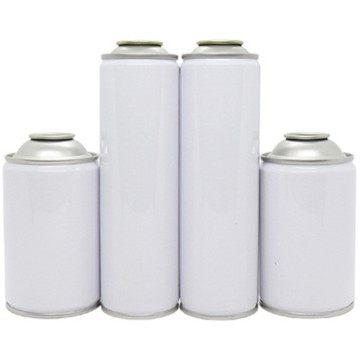
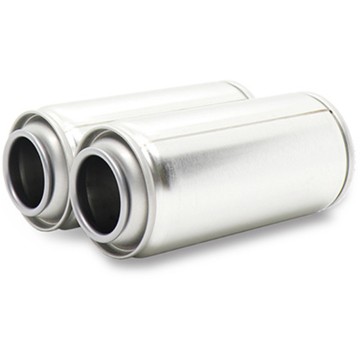
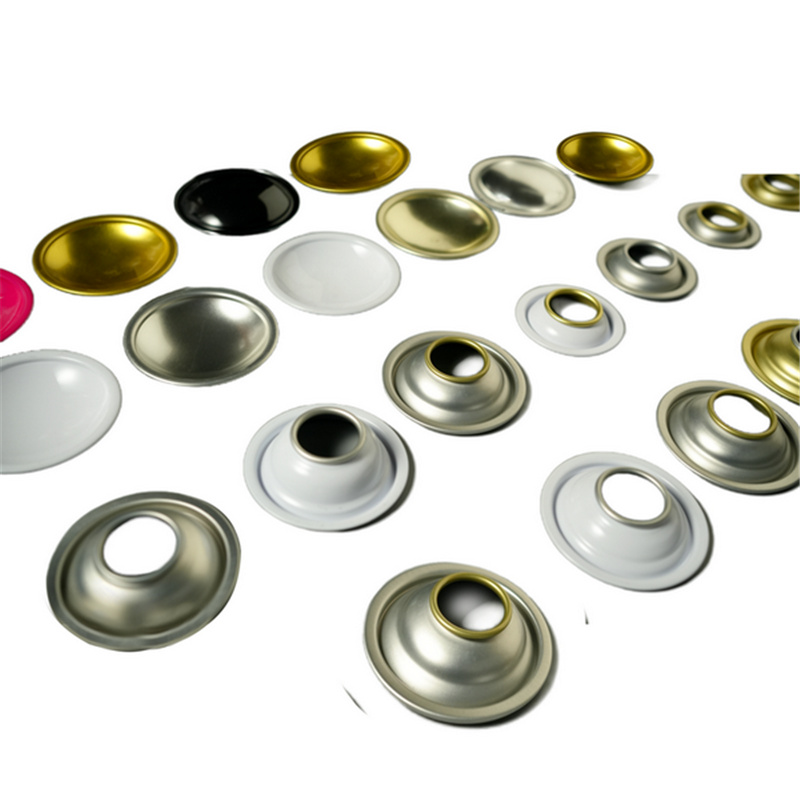
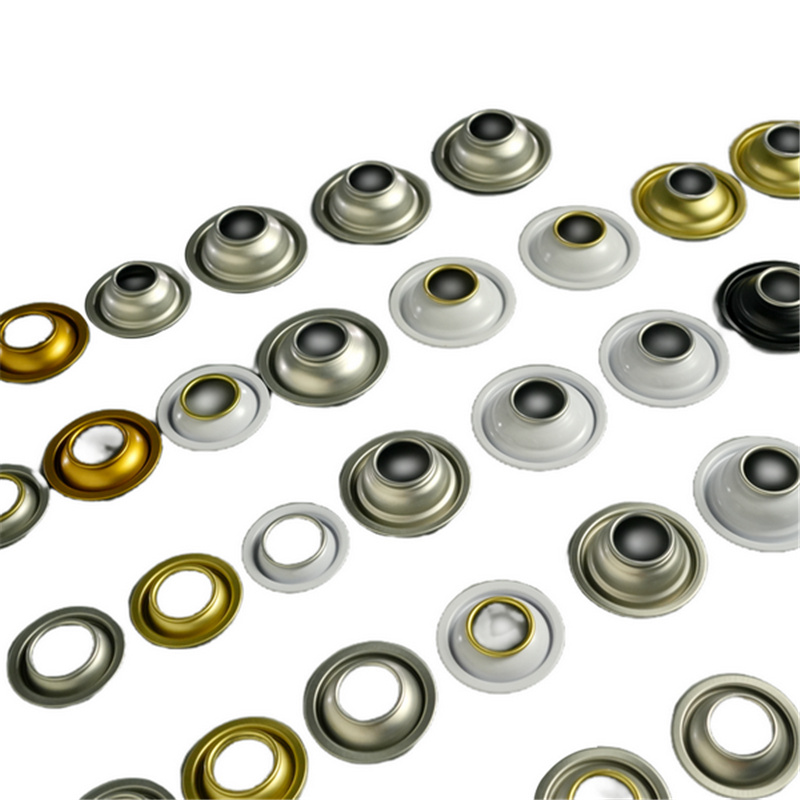
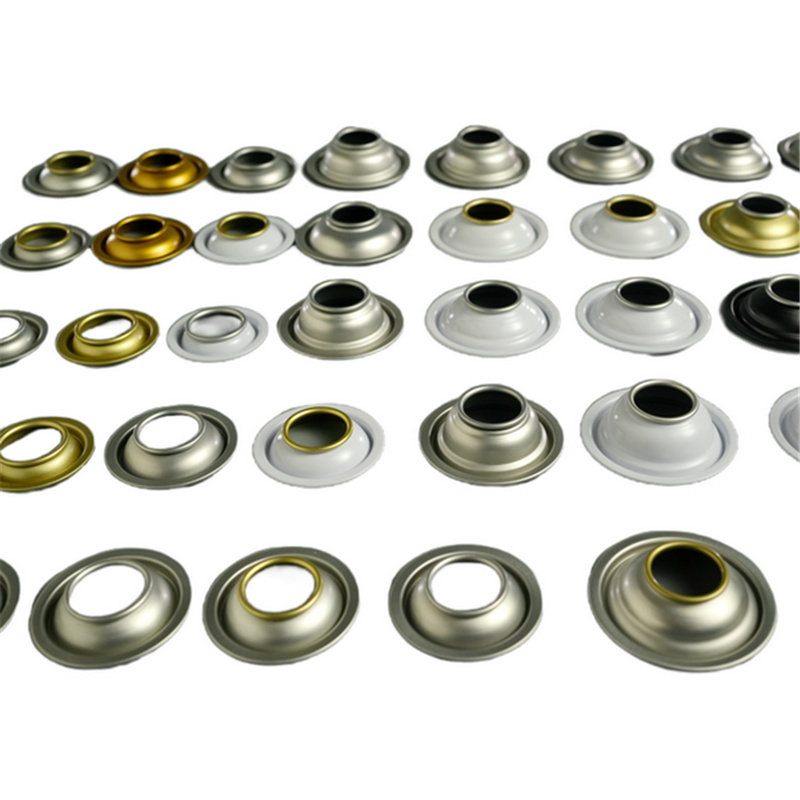
China Suppliers Factory - 60mm Lacquered Cone & Dome for Aerosol Cans with Quality Assurance and Competitive Pricing
Cone and Dome Parameter
| Diameter | Item | Type | Thickness (mm) | Lacquer |
|---|---|---|---|---|
| 45mm | Cone | Necked-in | 0.25 | Clear lacquer for both sides |
| Dome | 0.25 | Clear lacquer for outside | ||
| 52mm | Cone | Necked-in | 0.26 | Clear lacquer for both sides |
| Dome | 0.26 | Clear lacquer for outside | ||
| 60mm | Cone | Necked-in | 0.32 | Clear lacquer for both sides |
| Dome | 0.32 | Clear lacquer for outside | ||
| 65mm | Cone | Necked-in | 0.32 / 0.40 | Clear lacquer for both sides |
| Dome | 0.32 / 0.40 | Clear lacquer for outside | ||
| High 65mm | Cone | Necked-in | 0.32 / 0.35 / 0.40 | Clear lacquer for both sides |
| Dome | 0.32 / 0.35 / 0.40 | Clear lacquer for outside | ||
| 70mm | Cone | Necked-in | 0.35 | Clear lacquer for both sides |
| Dome | 0.35 | Clear lacquer for outside |
What is the Cone and Dome?
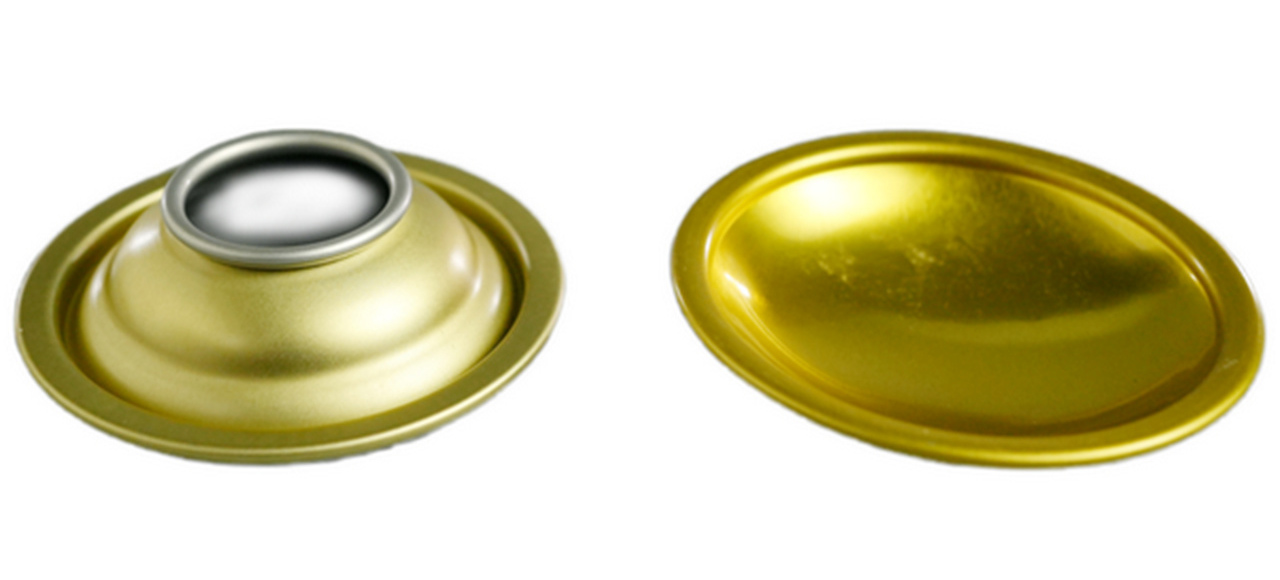
The cone is the part that surrounds the valve stem and helps to direct the flow of the aerosol product when the valve is pressed. It also provides a seal to prevent the product from leaking out when the can is not in use.
The dome is the top part of the aerosol can that contains the valve itself. When the dome is pressed, it opens the valve, allowing the product to be released as an aerosol spray. The dome also typically includes a nozzle or spray tip that helps to control the direction and pattern of the spray.
Together, the cone and dome of the aerosol can work to control the release of the product and ensure that it can be dispensed effectively and efficiently.
The Standard of American Packaging
When designing the cone and dome for American packaging, it’s important to consider factors such as material durability, pressure resistance, valve compatibility, and environmental sustainability. Additionally, adherence to labeling and safety regulations is essential to ensure that the packaging meets all legal requirements for distribution and use in the American market.
Overall, the cone and dome for packaging American products should be designed with a focus on safety, compliance, and functionality to meet the specific needs and standards of the American market.
The Important Points of Lacquered Cone and Dome for Tinplate Can
1. Protection
The lacquer coating on the cone and dome helps to protect the tinplate can from corrosion and rust, ensuring the integrity of the can and the preservation of its contents.
2. Seal
The lacquered cone and dome provide a secure seal, preventing the contents of the tinplate can from leaking or being contaminated by external factors.
3. Dispensing
Designed to work in conjunction with the can's valve system to facilitate controlled dispensing, ensuring a smooth and consistent flow of the product when activated.
4. Aesthetic Appeal
The lacquered finish on the cone and dome enhances the visual appeal of the tinplate can, providing a professional presentation attractive to consumers.
Overall, the lacquered cone and dome of a tinplate can play a crucial role in preserving the contents, facilitating controlled dispensing, and enhancing the overall quality and presentation of the product.
The Cone and Dome for 60 mm Aerosol Tinplate Can
Quality Control System:
-
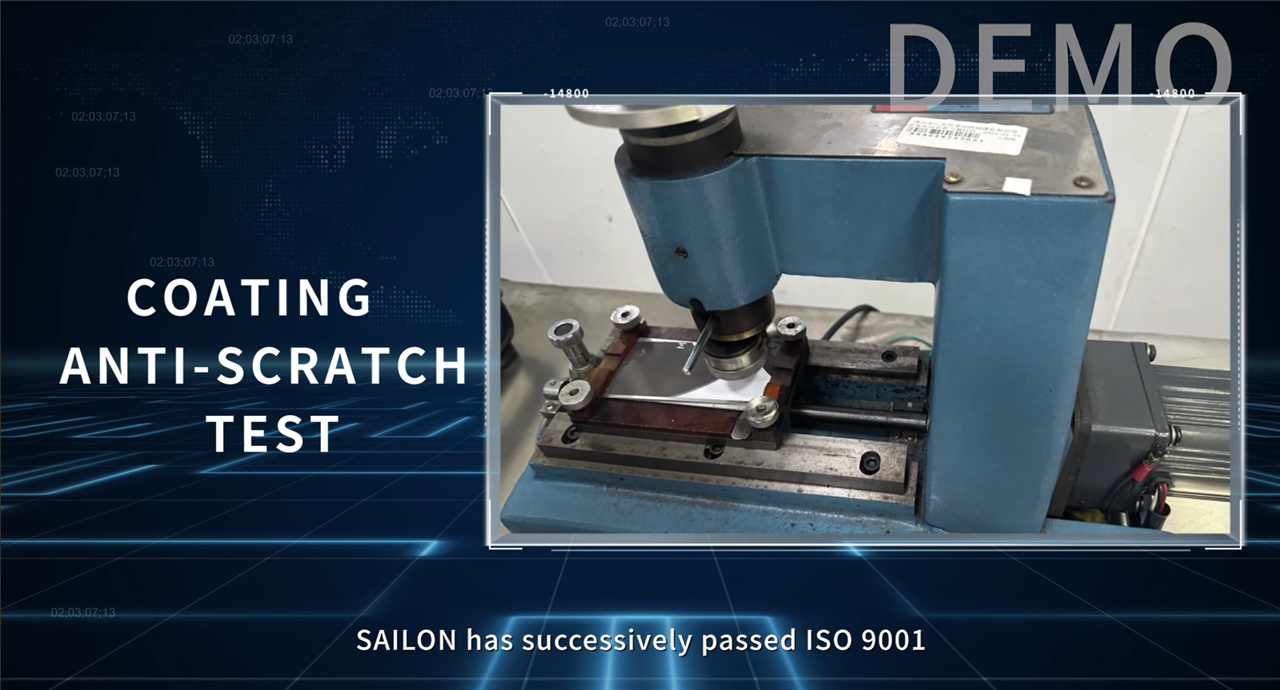
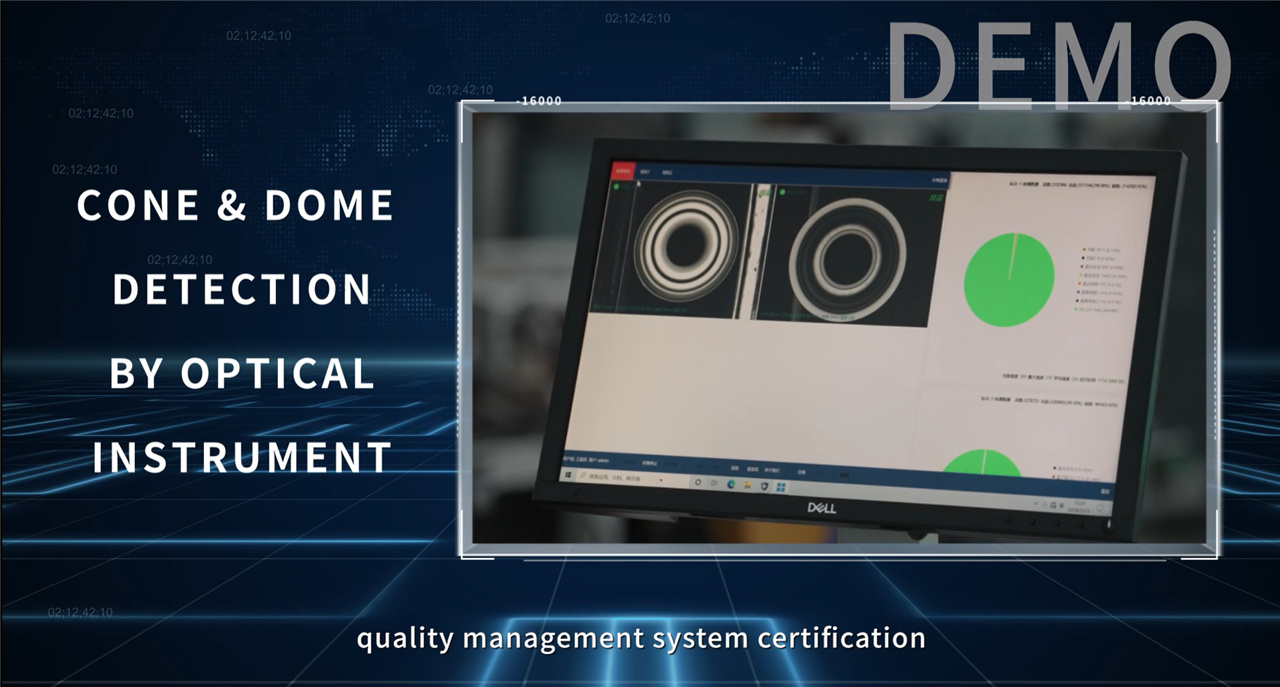
1Initial InspectionAfter the machine is adjusted and cans are produced, various tests are conducted, including lid hook/body hook, tank height, burst pressure, deformation pressure, and appearance.
- Check the weld by tearing it open: Lid seal test
- Soak in copper sulfate: 3 minutes check for rust prevention
- Pressure test: Burst and deformation integrity verification
-
2Leakage & Water TestingPre-production cans undergo air leakage and water testing to ensure they fully meet quality and safety standards.
-
3Cap Screw Quality CheckWhen screwing the cap, the manufacturing quality of both the upper and lower caps is systematically inspected.
-
4Surface Defect PreventionScratches are strictly avoided, and any issues discovered are immediately addressed and adjusted during continuous production.
-
5Hourly In-Line VerificationThroughout continuous production, the size of the empty can, seam appearance, can body, and can printing are monitored and checked every hour.