Leave Your Message
0%

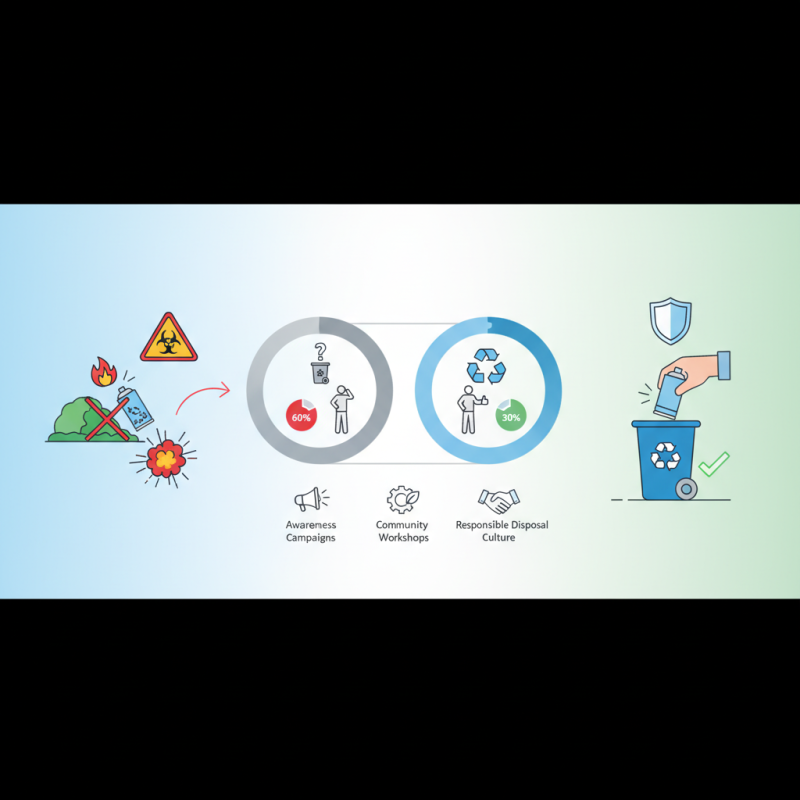
Lately, there's been a lot of chatter about environmental sustainability, and one thing that's come up a lot is how we handle disposing of Empty Aerosol Bottles. Did you know that in the U.S. alone, more than 2.5 billion aerosol products are used each year? Crazy, right? Sadly, many folks aren’t aware that tossing these bottles carelessly can actually be pretty dangerous. When they end up in landfills, they can leak nasty chemicals, or even explode if they get too hot or are pressed somehow. Yikes!

It really highlights how important it is to spread the word. Surveys show that almost 60% of people mistakenly think they can simply recycle empty Aerosol Cans without doing anything special first. Meanwhile, only about 30% of these bottles are properly recycled. That’s a pretty big gap. We need clear guidelines and a better push to educate everyone. Community workshops or awareness campaigns could do wonders—they’re great for showing folks how to safely prepare these bottles before recycling.

Getting everyone on board with responsible disposal takes effort, no doubt. Every one of those empty cans can be a bit of a hazard if we’re not careful. When people follow the right procedures, it’s not just good for the environment but also keeps everyone safer. Honestly, it’s about all of us taking responsibility and doing our part—every little bit counts, right?
2025 How to Properly Dispose of Empty Aerosol Bottles Safely

Understanding Aerosol Bottles and Their Environmental Impact

2025 How to Properly Dispose of Empty Aerosol Bottles Safely

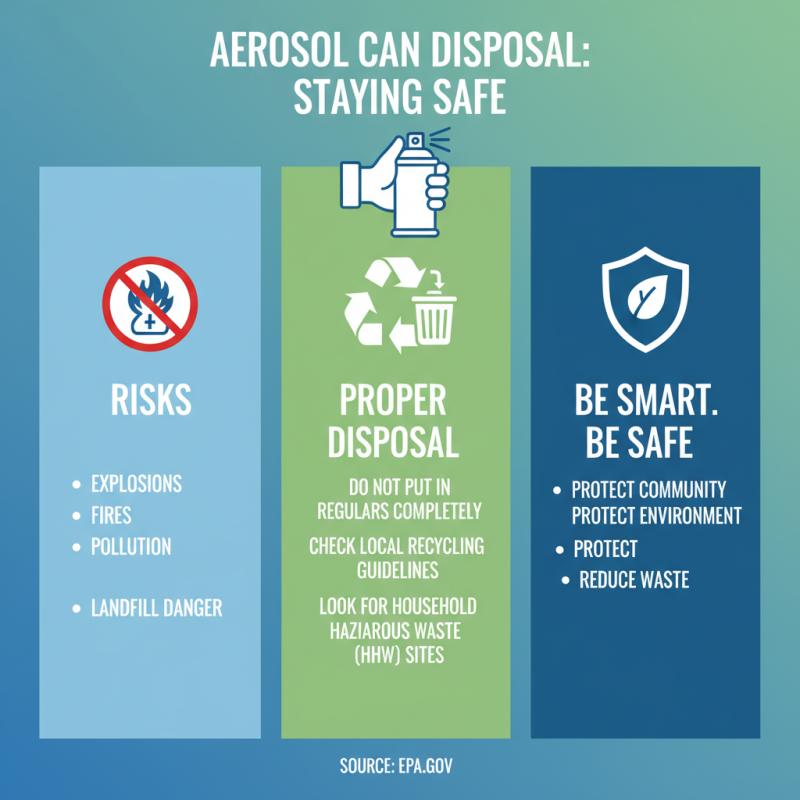
Aerosol bottles are common in many households. They contain products like hair spray, deodorant, and cleaning agents. These bottles are pressurized and can pose serious risks if not disposed of properly. When these cans are tossed into regular trash, they may explode in landfills. This can lead to dangerous fires and pollution.

These containers are often made from aluminum or steel, materials that can be recycled. However, many people fail to recycle them due to convenience or lack of knowledge. Some mistakenly believe that empty aerosol cans are safe for regular disposal. This mindset can harm the environment significantly, contributing to waste and potential chemical leaks.

Education is vital in promoting safe disposal practices. Local recycling programs may have specific guidelines for aerosol recycling. Many communities offer drop-off points for hazardous waste. Following these steps can reduce the environmental impact. We must encourage others to take responsibility for their waste. Each small action adds up, but the awareness is still limited. It's a problem that requires more attention.

Identifying Types of Aerosol Products and Their Contents

Aerosol products come in various forms, such as spray paints, deodorants, and cleaning agents. Each type has distinct contents, often including solvents and propellants. Knowing what’s in these products is crucial for safe disposal. Many people overlook this aspect, thinking they can just toss empty cans in the trash.

Take a closer look at the labels. Some aerosol bottles contain flammable substances, while others might have harmful chemicals. If you see a caution label, pay attention. It’s not just about being environmentally conscious; it’s about safety, too. Empty cans may still hold dangerous residues.

Disposing of aerosol cans improperly can lead to accidents or environmental harm. Full or partially full cans pose a bigger risk. If you’re unsure about disposal methods, check local guidelines. Some areas have designated drop-off sites for hazardous waste. However, not every community offers clear instructions. It can be frustrating, but it’s essential to figure out the safest option.

Safety Precautions When Handling Empty Aerosol Bottles

When handling empty aerosol bottles, safety should always come first. These containers can hold leftover propellants or chemicals. Even when empty, they may pose risks. Always wear gloves when handling these bottles. This protects your skin from any potential residue.

Make sure to work in a well-ventilated area. Some aerosol products emit fumes that linger. Proper ventilation helps minimize inhalation of any harmful vapors. Check for signs of damage on the bottles. Dents or punctures can increase the risk of accidental release. Never try to dismantle or crush aerosol containers. This is a common mistake that can lead to dangerous situations.

After ensuring safety, it’s important to know the disposal methods. Some places have specific guidelines for these bottles. They might belong to household hazardous waste. Familiarize yourself with local waste disposal rules. Incorrect disposal can harm the environment. Consider tracking your usage. Reflecting on your consumption patterns can reduce waste. Taking small steps can lead to safer environments for everyone.

2025 How to Properly Dispose of Empty Aerosol Bottles Safely

This chart illustrates the various disposal methods for empty aerosol bottles and their respective safety compliance percentages based on a recent survey conducted in 2023.

Step-by-Step Guide to Preparing Aerosol Bottles for Disposal

Proper disposal of empty aerosol bottles is crucial. Many people overlook this aspect. According to the Environmental Protection Agency (EPA), improper disposal contributes to environmental pollution. In 2020, over 3 billion aerosol cans were sold in the U.S. alone. This highlights the need for awareness on safe disposal.

To prepare aerosol bottles for disposal, start by ensuring they are completely empty. Spray until no product comes out. This prevents any pressure buildup during disposal. Next, remove any plastic or metal components. Recyclable parts should be set aside. Unfortunately, many still place these bottles in regular trash. This is a mistake. The contents can still be harmful.

Some municipalities offer specialized disposal sites. It’s important to check local guidelines. Consistent practices vary, so what is acceptable in one area may not be in another. A 2021 study revealed that 40% of respondents were unsure about their disposal methods. Therefore, reinforcing education and providing resources is vital for communities to improve their approach to aerosol can disposal.

Recycling Options for Empty Aerosol Bottles

2025 How to Properly Dispose of Empty Aerosol Bottles Safely

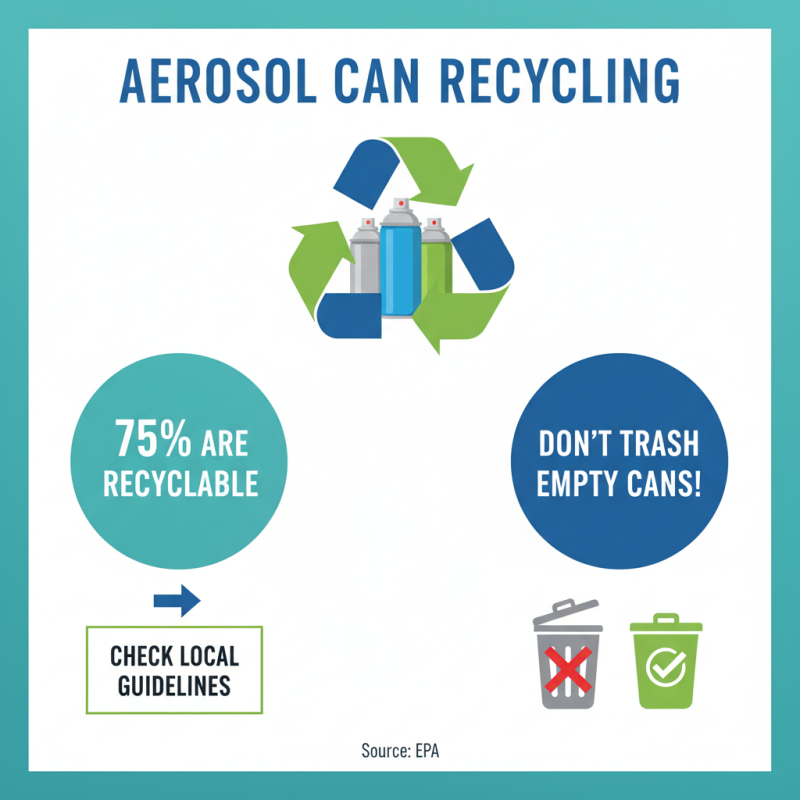
When disposing of empty aerosol bottles, recycling options are crucial. Many people overlook the fact that aerosol bottles can often be recycled. According to the Environmental Protection Agency, about 75% of aerosol cans are recyclable. However, not all recycling programs accept them. It’s essential to check local guidelines.

Some municipalities accept empty aerosol bottles in curbside recycling bins. Others demand specific drop-off locations. In contrast, some communities lack proper facilities. This inconsistency poses a challenge for consumers. Without clear options, many choose to throw their bottles in the trash. This increases waste in landfills and contributes to environmental harm.

Empty aerosol bottles should be completely empty before recycling. Residual contents can cause explosions in recycling facilities. Reports show that only 48% of empty aerosol containers are recycled properly. This low figure highlights the need for increased education. Awareness campaigns could make a significant difference in recycling rates and proper disposal practices.

Municipal Regulations and Programs for Aerosol Disposal

Proper disposal of empty aerosol bottles is crucial for environmental sustainability. Municipal programs vary significantly across regions. According to a report from the Environmental Protection Agency, over 12 million tons of aerosol cans were generated in 2018. Many local governments have initiated recycling programs aimed at reducing this waste. However, participation in these programs remains low, with only about 20% of people aware of specific disposal guidelines.

In certain areas, aerosol cans may be disposed of in regular recycling bins. However, this can pose risks if not managed correctly. Aerosols can be flammable and harmful if punctured. Some municipalities offer specialized drop-off locations for hazardous waste. These sites ensure that hazardous materials are handled safely. Many individuals overlook these options, leading to improper disposal methods. A survey revealed that 55% of respondents were unsure about local disposal regulations.

Challenges persist in educating the public about safe disposal practices. Studies show that 40% of people discard aerosol cans in the trash. This misstep can contaminate recycling streams and create environmental hazards. Efforts to improve awareness include community workshops and online resources. Yet, the gap in knowledge remains a pressing issue. Safe disposal requires collective responsibility, and ongoing education is vital in achieving sustainable solutions.

Alternatives to Aerosol Products for Eco-Friendly Living

Aerosol products are convenient, but they come with environmental costs. Many people don't think about the waste they create. These cans often end up in landfills, where they take years to decompose. Finding alternatives can help reduce this impact.

One great option is spray bottles. Fill them with your favorite homemade cleaning solutions. Eco-friendly recipes use simple ingredients like vinegar and baking soda. They can be just as effective without the harmful gases. Another alternative is solid products. Solid deodorants or lotions can be more sustainable and reduce plastic waste significantly.

Consider your daily habits. Replacing aerosol products might seem challenging initially. However, the transition can lead to healthier choices. It’s important to think about what you use and how it affects the planet. Small changes can add up over time, leading to a greener lifestyle. Being mindful of these choices can inspire others around you to follow.

2025 How to Properly Dispose of Empty Aerosol Bottles Safely - Alternatives to Aerosol Products for Eco-Friendly Living

Category Aerosol Products Eco-Friendly Alternatives Disposal Methods
Cleaning Products Disinfectant Spray Homemade Vinegar Solution Empty, recycle metal can if possible
Personal Care Hairspray Eco-friendly Hair Gel Check local guidelines for disposal
Cooking Cooking Spray Oil in a Pump Sprayer Recycle if metal; dispose as waste if plastic
Air Fresheners Aerosol Air Freshener Essential Oil Diffuser Recycle; check for local electronics waste
Paint Products Spray Paint Brush-on Paints Hazardous waste facility

The Ultimate Guide to Choosing the Right Butane Gas Can: Focus on 65mm Diameter Straight-Wall Aerosol Cans

When searching for the perfect butane gas can, it’s crucial to consider dimensions and specifications that meet your particular needs. The focus on a 65mm diameter straight-wall aerosol can is essential for ensuring compatibility with various applications, whether it's for portable stoves, lighters, or other systems utilizing butane. These cans are specifically designed to hold hydrocarbon gas and provide a reliable option for users looking for efficiency and safety.

One of the key advantages of high-standard aerosol cans is their ability to maintain the integrity of butane, a colorless and odorless gas at standard temperatures and pressures. The straight-wall design not only allows for maximum volume but also simplifies manufacturing processes, ultimately leading to a cost-effective solution for consumers. With a low boiling point, butane is easy to vaporize, making these cans ideal for quick ignitions and use in various environments, from outdoor adventures to everyday household tasks.

Choosing the right aerosol can is vital to ensure safe and effective usage of butane gas. Factors such as material quality, pressure tolerance, and compatibility with other equipment should not be overlooked. With the right can, users can maximize the performance of butane, harnessing its full potential for a variety of heating and fueling needs.

FAQS

: What are the common uses for this product?

: It is used for home improvement, crafting, and repairs. Many people also use it in DIY projects.

How should I store this item?

Store it in a cool, dry place. Keep it away from direct sunlight and moisture.

Is it safe for indoor use?

Generally, it is safe for indoor use. Ensure good ventilation while using it.

Can it be used on all surfaces?

It's suitable for many surfaces. However, test a small area first to avoid damage.

How long does it take to dry?

Drying time varies. Usually, it takes a few hours to cure completely.

What should I do if it doesn't adhere properly?

Clean the surface thoroughly. If issues persist, consider contacting a professional for advice.

Is there a specific temperature for application?

Optimal temperatures are recommended for application. Avoid using it in extreme cold or heat.

How can I clean up spills?

Clean up spills immediately. Use a damp cloth or appropriate cleaner for best results.

What if I have skin contact?

If contact occurs, wash the area with soap and water. Seek medical advice if irritation continues.

Where can I find instructions for use?

Instructions are often included in the packaging. They can also be found online for convenience.

Conclusion

This article provides a comprehensive guide on how to properly dispose of empty aerosol bottles while considering their environmental impact. It begins by explaining the significance of understanding aerosol bottles and highlights the different types of products they contain. The article emphasizes the safety precautions necessary when handling empty aerosol bottles, as well as offering a step-by-step guide to prepare them for disposal.

Moreover, it explores various recycling options available for empty aerosol bottles and discusses municipal regulations and programs that support safe disposal practices. Finally, the article encourages readers to consider eco-friendly alternatives to aerosol products, promoting sustainable living. By following these guidelines, individuals can responsibly manage empty aerosol bottles and contribute to environmental preservation.

Sophie

Sophie

Sophie is a dedicated marketing professional at Foshan Sanshui Shilong Printing Iron Can Co., Ltd., where she leverages her expertise to promote the company's high-quality metal can products. With a strong background in marketing and a keen understanding of the packaging industry, she continually......
Previous Advantages of Quality Assurance and Cost Efficiency for Empty Spray Can Suppliers