When you're looking at packaging options, picking the right container really matters. For example, a Metal Canhas become a go-to choice for a lot of businesses out there. It’s sturdy, versatile, and just generally reliable—no wonder so many manufacturers are fans. Think about what you’re selling—are your products perishable? Do they need to stay fresh for a long while? Using a Metal Can might actually help you extend that shelf life.
Companies like ABC Packaging get it—pricing is super important. The best OEM Metal Can pricelist can really save you some money in the long run. But here’s the thing: it’s not just about finding the cheapest option. Quality matters too. Sure, some suppliers might offer lower prices, but if the quality’s not up to snuff, is it really worth saving a few bucks? These are tough questions, but ones you gotta think about.
Investing in good-quality Metal Cans can actually boost your brand’s image. Still, getting the right price point is just as crucial. Ideally, you want to strike a balance between cost and quality. Every choice you make now is shaping your business’s future—so choose wisely. Making clever decisions here will definitely set you up for a more successful packaging game down the line.
Factors Influencing the Pricing of OEM Metal Cans in the Market
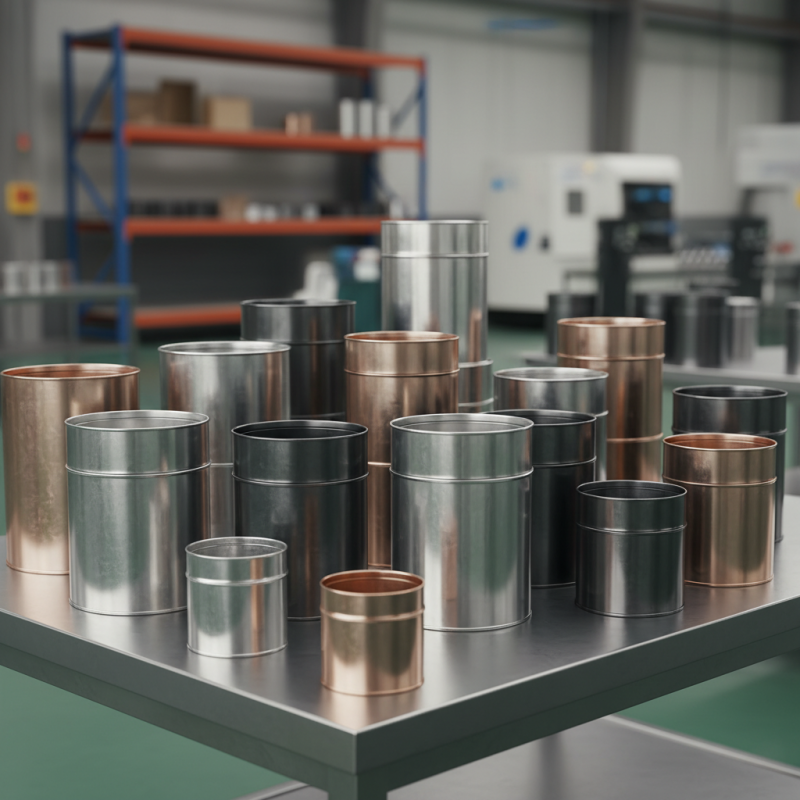
When evaluating the market for OEM metal cans, several key factors can significantly affect pricing. One major element is the type of raw materials used. Metal Can Manufacturers often choose between aluminum and steel, with each option impacting costs differently. Premium materials can elevate prices, while bulk purchasing may lead to savings. The fluctuating costs of raw materials can also create inconsistencies in pricing over time.
Another crucial aspect is production processes. The complexity of the manufacturing method influences costs as well. Custom shapes or sizes require specialized equipment, resulting in higher expenses. Additionally, labor costs vary by region. Countries with higher labor rates may see increased pricing from metal can manufacturers. This highlights the importance of region in determining the final price.
Lastly, market demand plays a vital role. During peak seasons, prices might surge due to higher order volumes. Conversely, during slower periods, competition among manufacturers can drive prices down. Businesses should remain flexible and responsive to these trends. Understanding these factors can empower companies to make informed decisions regarding their supply needs.
Analysis of Material Costs and Their Impact on OEM Can Prices
When analyzing OEM metal can prices, material costs play a crucial role. Steel and aluminum, the primary materials used in can manufacturing, have seen significant price fluctuations. For example, the World Steel Association reported an average increase of 25% in steel prices over the past two years. This surge directly impacts the cost of production for metal cans, affecting pricing strategies for manufacturers.
Moreover, aluminum prices have also risen sharply due to global supply chain disruptions. According to the London Metal Exchange, aluminum prices hit a record high in May 2021. These material costs can constitute up to 70% of the total manufacturing expenses for can producers. As such, any hike in these costs will lead to higher prices for consumers.
Considering the impact of these material costs is essential for businesses. Manufacturers must evaluate their pricing structures regularly. Many small businesses struggle to keep up with the rising costs. They often lack the purchasing power to negotiate contracts effectively. This leads to a reliance on standard pricing, which can be detrimental in a volatile market. Choosing the right OEM metal can supplier could mean the difference between profit and loss. Careful market analysis is needed.
The Role of Manufacturing Processes in OEM Metal Can Pricing
When evaluating the pricing of OEM metal cans, understanding manufacturing processes is crucial. Costs can vary significantly based on the methods and materials used. For instance, companies employing advanced production techniques can experience reduced waste and enhanced efficiency. According to industry reports, about 30% of production costs stem from material loss during manufacturing. This highlights the importance of choosing a Metal Can Supplier that prioritizes efficient processes.
Moreover, different coatings and finishes can affect price points. Some manufacturers use higher-quality coatings that provide better corrosion resistance. This investment may initially seem high, but it translates to longer-lasting products. Reports indicate that high-quality coatings can reduce product deterioration by up to 50%. As businesses prioritize sustainability, they may need to consider the long-term savings associated with premium finishes.
Yet, not every manufacturer achieves the same efficiencies. Some rely on outdated methods, resulting in inflated costs. It’s important to scrutinize potential metal can suppliers and their processes. A deeper understanding of their manufacturing practices can reveal hidden costs. A streamlined process might save you money in the long run. However, distinguishing between efficient and inefficient operations is not always straightforward. Hence, thoughtful research is essential.
Comparing Pricing Strategies Across Leading OEM Metal Can Suppliers
When considering metal can suppliers, pricing strategies are crucial. Many suppliers adopt cost-plus pricing models. This can lead to inconsistent prices across the market. According to industry reports, effective pricing strategies are essential for maintaining competitive advantages.
Understanding the price structures of leading suppliers helps businesses. Some may offer discounts based on volume. Others use tiered pricing models. This suggests that businesses should compare quotes carefully. Look for hidden fees. Transparency is vital in these negotiations.
Tip: Always ask for a detailed breakdown of costs when receiving price quotes. This can prevent misunderstandings later.
While a low price may seem appealing, it’s not everything. The quality assurance processes of suppliers matter too. Hence, balance is key. Evaluate not just costs but the supplier’s reliability. Industry studies show that a significant percentage of suppliers struggle with consistent quality.
Tip: Establish clear criteria for evaluating potential suppliers. This can save valuable resources in the long run.
Economic Trends Affecting the Metal Can Industry Pricing Structure
Economic trends significantly influence the metal can industry's pricing structure. As demand fluctuates, prices often follow suit. Economic growth typically leads to increased consumer spending, impacting the demand for canned goods. A surge in demand can drive prices higher. However, during economic downturns, sales may decline, causing prices to stabilize or drop.
Raw material costs also play a crucial role. Prices for metals can vary based on global supply chains and geopolitical factors. When these costs rise, manufacturers may have to pass on the expenses to customers. This shift can affect pricing structures across the industry. It’s essential to monitor these trends closely, as sudden changes can disrupt overall pricing strategies.
Understanding these dynamics is vital for making informed decisions. Even small shifts in economic indicators can lead to significant pricing changes. Staying informed about these trends allows businesses to adapt and respond effectively. However, businesses sometimes overlook critical data, leading to missed opportunities. By reflecting on these aspects, a company can better navigate the complexities of the metal can pricing landscape.
Understanding the Importance of Quality in OEM Metal Can Pricing
When it comes to OEM Metal Can pricing, quality plays a critical role. A recent industry report noted that over 75% of businesses consider packaging quality a key factor in purchasing decisions. The durability and design of OEM Metal Cans can greatly affect product perception. A well-constructed metal can not only protects contents but also enhances brand image.
Investing in high-quality OEM Metal Cans can lead to better customer satisfaction. A survey found that companies using premium packaging saw a 20% increase in repeat purchases. Using inferior materials may save costs initially but often results in damage and waste. This may tarnish your brand reputation. It’s essential to consider long-term impacts over short-term savings.
Tips: Always evaluate potential suppliers based on their quality assurance processes. Look for certifications that signal compliance with industry standards. Consider using eco-friendly materials if they align with your brand values. Quality over lowest price can make a significant difference in the long run. Prioritizing quality in OEM Metal Can selection can build trust and loyalty among your customers.
How Bulk Purchasing Can Influence OEM Metal Can Costs and Savings
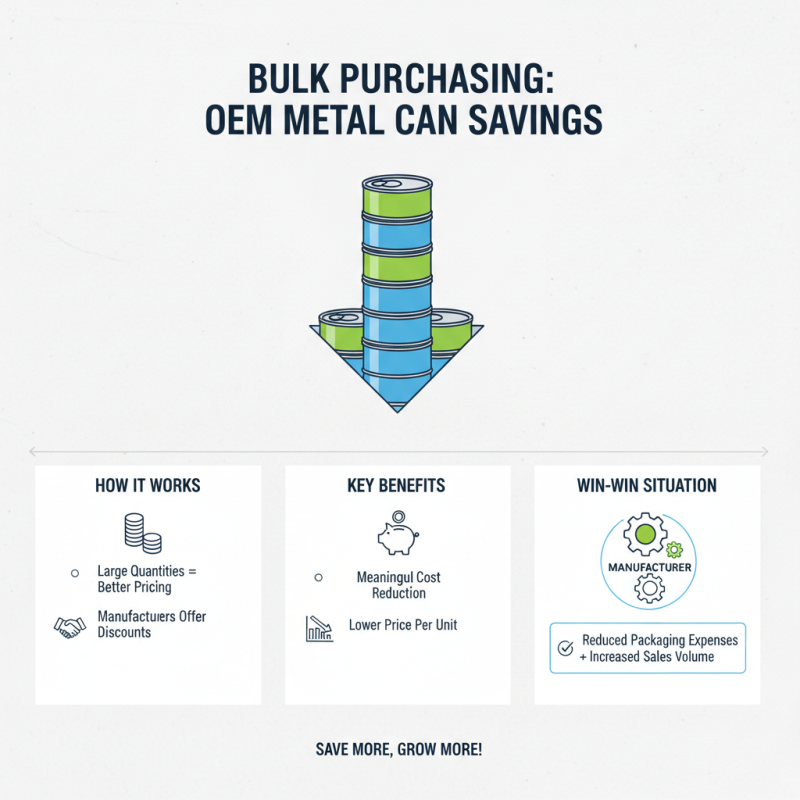
Bulk purchasing can significantly impact the costs of OEM metal cans. When businesses order large quantities, they often unlock better pricing. Manufacturers are usually willing to offer discounts. This can lead to meaningful savings for companies looking to cut packaging expenses. For instance, the more you buy, the lower the price per unit can be. This can create a win-win scenario.
However, it's crucial to consider your needs before committing. Overestimating demand can result in excess inventory. This ties up funds that could be used elsewhere. Businesses should analyze their usage patterns carefully. Awareness of consumption rates can guide better purchasing decisions. Relying solely on bulk discounts might not always yield savings in the long run.
In addition, evaluating multiple suppliers is essential. Not all manufacturers offer the same pricing structures. Their terms can vary greatly. It’s worth taking the time to compare options. Finding the Best Metal Can that meets your quality needs is equally important. Lower prices shouldn’t come at the cost of quality. Balancing cost and quality requires thoughtful reflection and planning.
Innovative Solutions: Enhancing Industrial Lubricants with SAILON OEM Cone and Dome for Aerosol Cans
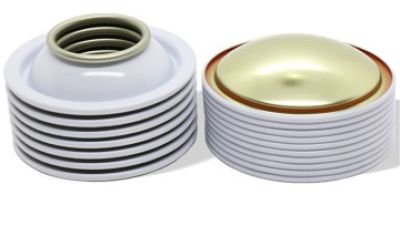
In the realm of aerosol packaging, innovative solutions are essential for enhancing product performance and ensuring safety. The application of OEM color and patent designs in the cone and dome of Aerosol Cans represents a significant advancement in this field. These components, serving as the top and bottom sections of aerosol cans, play a pivotal role in protecting the can’s contents during transportation and storage while also contributing to the overall aesthetic appeal of the product.
The versatility offered by various diameters—ranging from 45mm to 70mm—and a selection of exterior colors including clear, golden, red, and black, allows manufacturers to tailor their packaging to meet exact brand requirements. Additionally, the cones and domes can be provided with a plain interior or a luxurious gold lacquer finish, further enhancing the product's visual appeal. The rigorous performance specifications, with a deform pressure of ≥1.3MPA and burst pressure of ≥1.5MPA, ensure that these aerosol can components meet the high safety and durability standards essential for industrial lubricants and other applications.
By integrating these innovative features into the design of aerosol cans, manufacturers can significantly improve not only the functionality and safety of their products but also their marketability. The combination of robust engineering and creative design makes these cone and dome solutions a vital asset in the competitive packaging landscape.
FAQS
: Begin by incorporating more fruits and vegetables into your meals. Focus on whole foods.
Set realistic goals and track your progress. Celebrate small achievements to keep inspired.
Not always. Listening to your body's hunger cues can be more effective. Focus on portion sizes.
Staying hydrated is crucial for overall health. Drink water regularly throughout the day.
Reassess your diet and exercise routine. Consider mixing up workouts for better results.
Practice mindfulness or meditation. Even short breaks can improve mental clarity and reduce tension.
Yes, moderation is key. Occasional treats won't derail your progress if balanced with healthy choices.
Choose options like nuts, yogurt, or fruit. These are wholesome and easy to prepare.
Create a relaxing pre-sleep routine. Avoid screens an hour before bed for better rest.
It's okay to reassess your routine. Gradually increase intensity or try new activities for more challenge.
Conclusion
When considering the pricing of OEM metal cans for your business, several factors come into play that can significantly impact costs. Material costs are a primary determinant, as fluctuations in raw materials can influence overall pricing structures. Additionally, the manufacturing processes employed by various suppliers can lead to differences in cost and quality, making it essential to analyze these aspects before making a purchase.
Comparing pricing strategies across leading OEM metal can suppliers reveals that economic trends also play a crucial role in shaping prices in the metal can industry. Understanding these dynamics, along with the advantages of bulk purchasing, can lead to significant savings. Ultimately, maintaining a focus on quality ensures that businesses not only secure competitive pricing but also uphold standards that contribute to their long-term success in the market.