Aerosol paint cans are pretty popular, whether you're a pro or just doing some DIY projects at home. They’re super convenient and easy to use, which is probably why so many people love them. Basically, these pressurized cans let you Spray Paint smoothly and evenly on all kinds of surfaces — no fuss. But, while they do have a lot of perks, it’s also super important to be aware of the potential risks involved. If you don’t handle them properly, you could run into health issues or even cause some environmental problems.
Knowing how to use these cans the right way is a must — stuff like making sure the area is well-ventilated and wearing proper protective gear. Sticking to safety rules isn’t just a good idea; it’s essential for avoiding accidents. In this article, I’ll walk you through what makes Aerosol Paint Cans handy, share some tips on using them safely, and chat about the best practices to keep you and the environment safe. By following these simple steps, you can really take advantage of how efficient aerosol paints are, without worry about the risks happening.
What are Aerosol Paint Cans?
Aerosol paint cans are pressurized containers filled with paint or other liquid materials, designed to be spray-applied. These cans utilize a propellant to create a fine mist of paint, allowing for an even application on various surfaces. They are widely used by both professionals and DIY enthusiasts for their convenience, speed, and ability to reach intricate areas that brushes may not. Typically, aerosol paint cans come with a nozzle that can be adjusted to control the spray pattern, making them suitable for a wide range of projects, from artwork to home improvement.
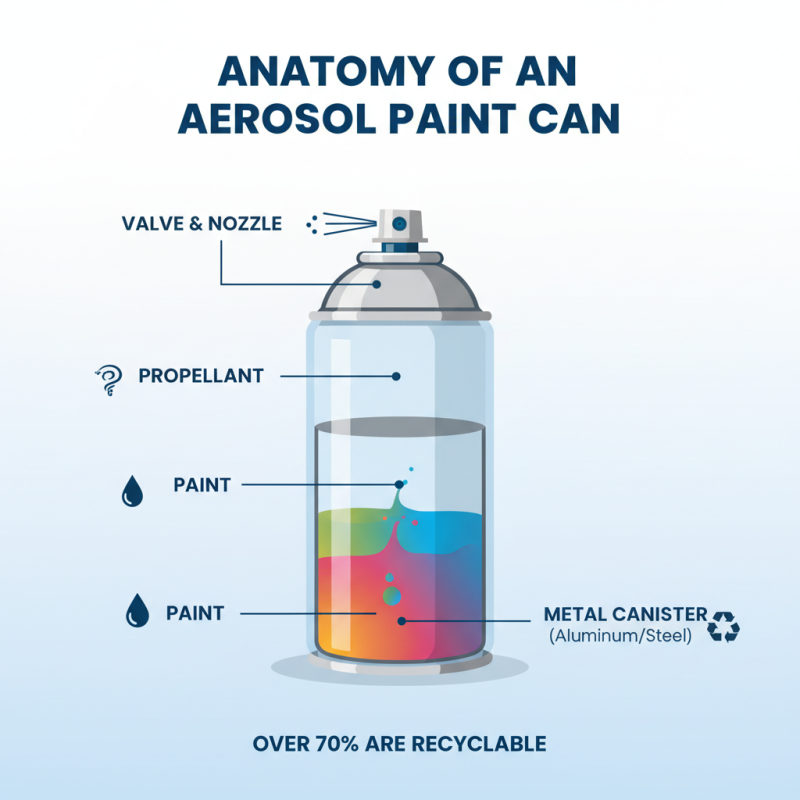
When using aerosol paint cans, it's important to understand the mechanics behind them. The canister is filled with liquid paint, which is kept under pressure. When the nozzle is pressed, the propellant forces the paint out of the can in a fine spray, allowing for a smooth application. Users should be aware of the distance from which to spray, as holding the can too close can lead to drips and uneven coverage. Proper ventilation is crucial, as aerosolized paint can contain solvents and other volatile compounds, making inhalation hazardous. Always ensure to shake the can well before use to achieve the desired paint consistency and color.
Components of Aerosol Paint Cans Explained
Aerosol paint cans are widely used in various industries, providing an efficient method for applying paint in a fine mist. Understanding the components of these cans is essential for both effective usage and safety. Typically, an aerosol paint can consists of a metal canister, a valve, a propellant, and the paint itself. The metal canister is designed to withstand internal pressure, preventing leaks or explosions. According to industry reports, over 70% of aerosol paint cans are made from aluminum or steel due to their durability and recyclability.
The propellant used in aerosol paint cans can be either compressed gas or liquid hydrocarbons, which help to expel the paint from the can. It’s critical to note that the choice of propellant impacts the environmental footprint of the product. Recent studies indicate that the move towards more eco-friendly propellants has gained traction, with a significant number of manufacturers transitioning to using propellants with lower global warming potential. This shift is not only beneficial for the environment but also reflects changing consumer preferences for safer, more sustainable products in the paint industry. Awareness and understanding of these components can enhance the safe use of aerosol paints and promote responsible disposal practices.
Common Uses of Aerosol Paint Cans
Aerosol paint cans are versatile tools frequently used in various applications beyond just painting. One of the most common uses is in home improvement projects, where these cans provide a convenient way to add color or protective coatings to furniture, cabinets, and other surfaces. The fine mist they produce allows for even coverage, which is often difficult to achieve with traditional brushes or rollers. Their portability makes them ideal for touch-ups or for reaching tight spaces without the need for extensive clean-up.
In addition to home decor, aerosol paint cans find popularity in artistic endeavors. Many artists enjoy using them for graffiti or mural work, as they allow for quick application of vibrant colors and can be layered for depth. Furthermore, crafters often use aerosol paints for various projects, including custom designs on clothing, ceramics, and household items. The ease of use and fast drying times make them a preferred option for those looking to spark creativity without the hassle of traditional painting methods.
Safety Risks Associated with Aerosol Paint Cans
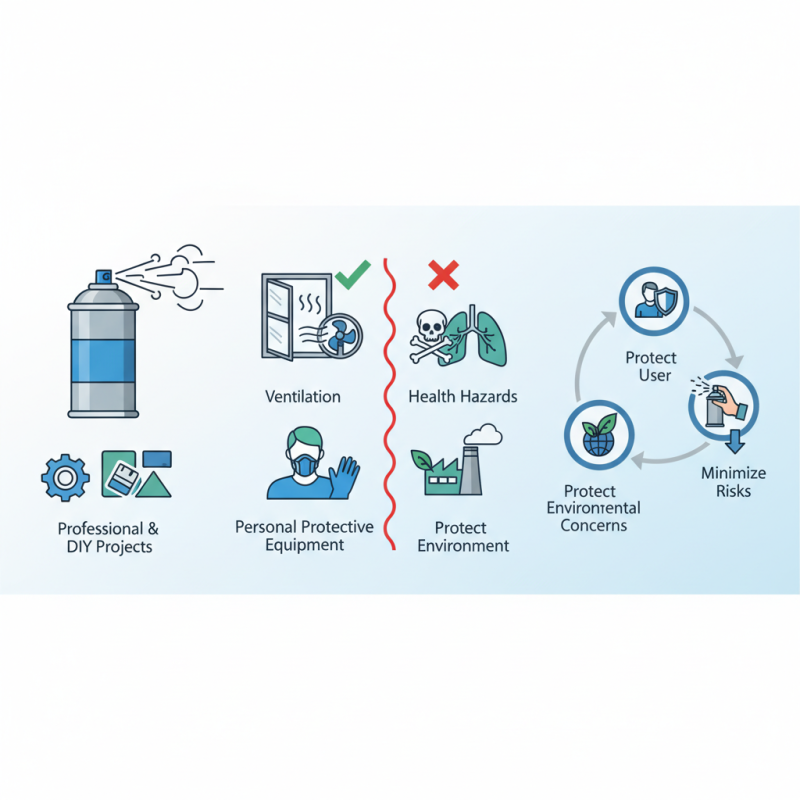
Aerosol paint cans, while popular for their convenience and ease of use, come with a variety of safety risks that users should be aware of. According to the U.S. Environmental Protection Agency (EPA), aerosol paints contain volatile organic compounds (VOCs) that can lead to acute and chronic health effects. High levels of exposure to VOCs can result in respiratory issues, dizziness, and headaches. Moreover, long-term exposure has been linked to more serious health problems, including damage to the liver and nervous system. It is vital for users to work in well-ventilated spaces to reduce the risk of these harmful effects.
In addition to health concerns, proper handling and storage of aerosol paint cans are crucial to mitigate fire and explosion hazards. The National Fire Protection Association (NFPA) highlights that aerosol containers can explode when exposed to high temperatures or if they are punctured. With over 1,500 fire incidents reported annually due to improper handling of flammable products, following safety guidelines is essential. Users should avoid storing aerosol cans in direct sunlight or near heat sources and ensure that they are used away from open flames. Employing protective gear such as masks and gloves can further minimize risks, providing a safer painting experience.
What are Aerosol Paint Cans and How to Use Them Safely - Safety Risks Associated with Aerosol Paint Cans
| Dimension | Description |
| Container Size | Common sizes include 12 oz, 16 oz, and 24 oz cans. |
| Common Uses | Used for painting, priming, and coating surfaces. |
| Safety Risks | Flammability, inhalation of fumes, and skin irritation. |
| Ventilation Requirements | Ensure adequate ventilation while using aerosol paints. |
| Protective Gear | Use gloves, masks, and goggles to prevent exposure. |
| Storage Guidelines | Store in a cool, dry place away from heat sources. |
| Disposal Recommendations | Follow local regulations for hazardous waste disposal. |
Steps for Using Aerosol Paint Cans Safely
When using aerosol paint cans, safety should always be a top priority. Begin by preparing your workspace. Choose a well-ventilated area to help disperse any fumes and odors that may be emitted during the painting process. Lay down protective coverings to shield surfaces from overspray, and ensure that any nearby items are moved away from the painting area to avoid accidental staining.
Before starting, always read the label on the aerosol can to familiarize yourself with any specific instructions or warnings. Wear appropriate personal protective equipment, including gloves, safety goggles, and a mask to protect against inhalation of fumes and contact with paint. When it comes to application, hold the can at the recommended distance from the surface and keep it in a steady motion to avoid drips or uneven coverage. After use, ensure that you are disposing of the canister properly, following local regulations for hazardous waste, and never puncture or incinerate the can.
Proper Storage and Disposal of Aerosol Paint Cans
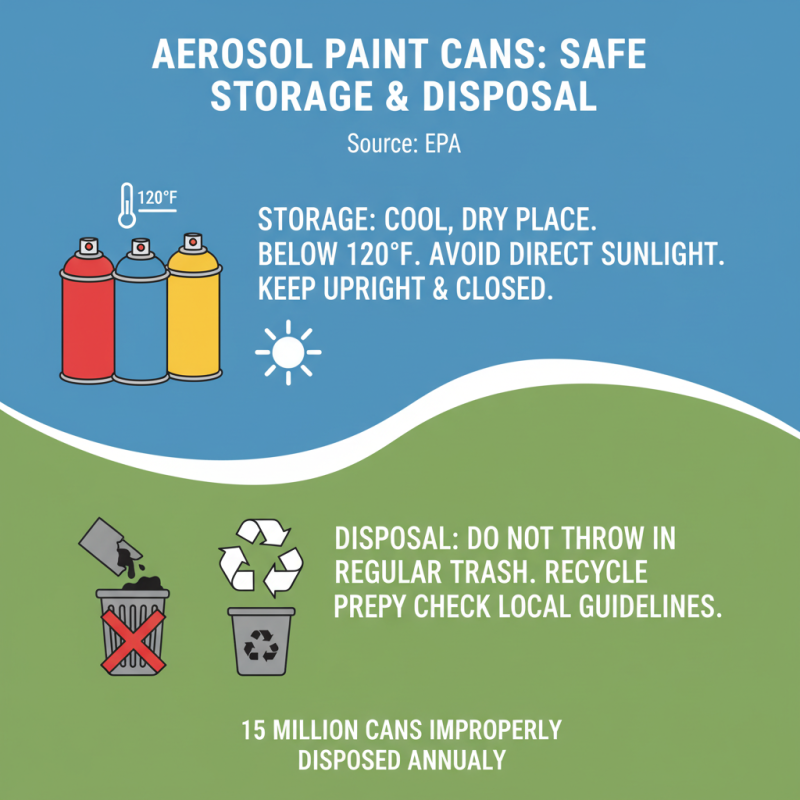
Aerosol paint cans are a versatile tool for both professional and amateur artists, but their proper storage and disposal are crucial for safety and environmental concerns. According to the Environmental Protection Agency (EPA), an estimated 15 million aerosol cans are thrown away improperly each year, leading to potential hazards. To prevent issues such as leakage or explosion, it is essential to store aerosol paint cans in a cool, dry place away from direct sunlight and extreme temperatures; ideally, the storage area should remain below 120°F. Keeping the cans upright and securely closed minimizes the risk of accidental discharge and helps maintain their integrity.
For disposal, the best practice is to follow local regulations because many places have specific guidelines for hazardous waste. The EPA recommends checking with local recycling programs or waste management facilities for instructions on disposing of empty or partially full aerosol paint cans. If they cannot be recycled, ensure that they are completely empty before discarding them in the trash. Consider using a specialized aerosol recycling program if available in your area.
**Tips:**
- Always wear masks and eye protection when using aerosol paints to prevent inhalation of harmful fumes.
- Write the date of purchase on the can to help track its shelf life and ensure you use it within a reasonable time frame.
- When in doubt about disposal, contact local environmental agencies for proper guidance.
Alternative Painting Options to Consider
When considering alternative painting options, there are several methods to explore that can provide different finishes and experiences compared to aerosol paint cans. One popular choice is brush painting, which allows for greater control over the application. Brushes come in various sizes and shapes, making them suitable for intricate designs and detailed work. This method also offers the flexibility to use a wider range of paint types, including eco-friendly and low-VOC formulations that are less harmful to the environment.
Another option is using paint rollers, which are ideal for covering large areas quickly and can produce a smooth finish. Rollers can be used with both water-based and oil-based paints, offering versatility in terms of texture and finish. Additionally, sponges and dabbers can be employed to create unique effects, such as stippling or sponging, adding an artistic touch to your project. These alternative methods not only encourage creativity but also promote safety by minimizing exposure to the potentially harmful chemicals found in aerosol sprays.
Aerosol Paint Can Usage and Safety Tips
This chart illustrates the primary safety practices for using aerosol paint cans based on user surveys.
Leveraging Customization in the Aerosol Packaging Market: Insights from Industry Reports on Consumer Preferences and Market Growth
The aerosol packaging market is witnessing a significant transformation, driven by the rising demand for customized solutions that cater to consumer preferences. Reports indicate that the market is expected to grow at a CAGR of over 5% in the coming years, fueled by the surge in industrial and domestic cleaning supplies. The 52mm aerosol can has emerged as a pivotal product within this sector, particularly for applications involving clean solvents.
Thanks to its compact design, the 52mm aerosol can is ideal for practical use, offering an efficient way to dispense cleaning solutions. Its portability allows users to easily store and transport the can, making it a favored choice in both professional and personal cleaning scenarios. According to industry insights, consumers increasingly prefer aerosol packaging that combines convenience with functionality, amplifying the appeal of smaller can sizes that can hold just the right amount of product for various tasks – an advantage prominently seen in the 52mm models.
Moreover, the customization trend in aerosol packaging enables manufacturers to cater specifically to niche markets. By tailoring features, such as spray mechanisms and labels, companies can enhance user experience and align their products with the evolving needs and preferences of consumers. Industry reports suggest that companies enhancing their customization capabilities can not only strengthen brand loyalty but also capture a greater share of the burgeoning aerosol market.
FAQS
: Aerosol paint cans are used for home improvement projects, artistic endeavors such as graffiti and murals, and crafting projects, providing a convenient and efficient way to apply color and protective coatings.
Choose a well-ventilated area, lay down protective coverings to shield surfaces from overspray, and move nearby items to avoid accidental staining.
It's important to wear gloves, safety goggles, and a mask to protect yourself from inhalation of fumes and contact with paint.
Hold the can at the recommended distance from the surface and keep it in steady motion to achieve even coverage and prevent drips.
Store aerosol paint cans in a cool, dry place away from direct sunlight and extreme temperatures, ensuring they remain upright and securely closed.
Follow local regulations for hazardous waste disposal. Check with local recycling programs for guidance, ensuring cans are completely empty before discarding if they cannot be recycled.
Proper storage prevents leakage or explosion, as well as helps maintain the integrity of the cans, minimizing safety and environmental hazards.
Many local areas have specific recycling guidelines for aerosol paint cans, so check with local facilities or recycling programs for proper disposal methods.
Improper disposal can lead to potential hazards such as leakage or explosion, and it can contribute to environmental pollution.
Always wear masks and eye protection, write the date of purchase on the can to track shelf life, and consult local environmental agencies for disposal guidance when in doubt.
Conclusion
Aerosol paint cans are convenient containers that hold pressurized paint, commonly used for various painting tasks due to their ease of application. These cans consist of several components, including the canister, propellant, and nozzle, each playing a vital role in delivering a smooth and even spray. Aerosol paint cans are widely utilized for artistic creations, home improvements, and automotive refinishing, though they come with safety risks such as flammability and inhalation hazards.
To use aerosol paint cans safely, it's essential to follow specific steps, including shaking the can well, testing the spray on a scrap surface, and wearing protective gear. Additionally, proper storage in a cool, well-ventilated area and disposing of empty cans according to local regulations are crucial for safety. For those seeking alternatives, options like traditional paint brushes, rollers, or eco-friendly paints may offer safer and more customizable solutions.